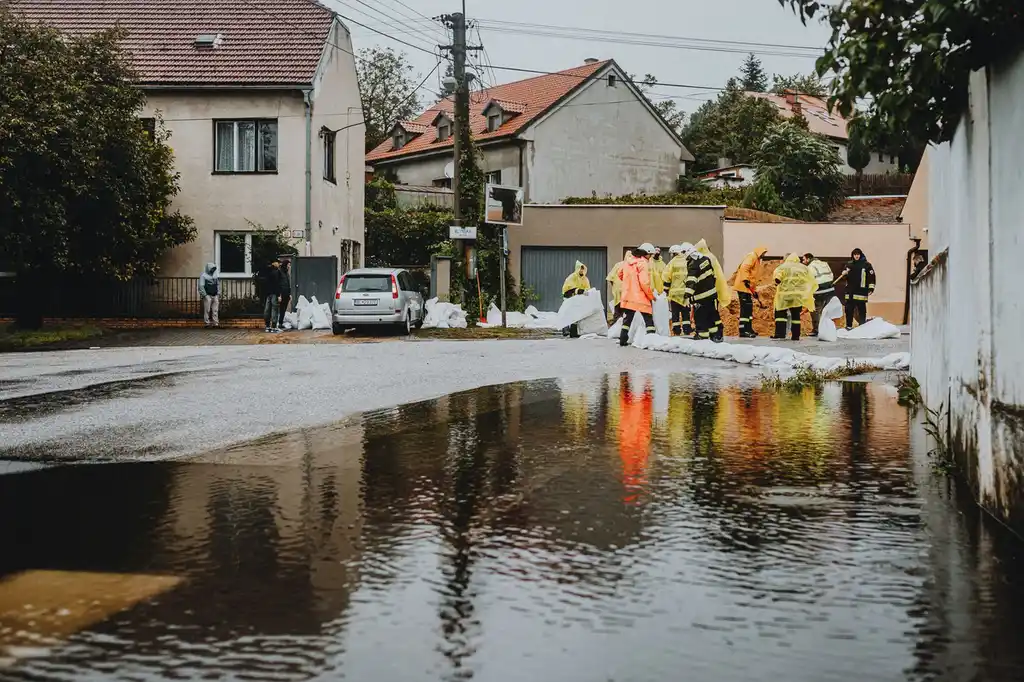
For homes
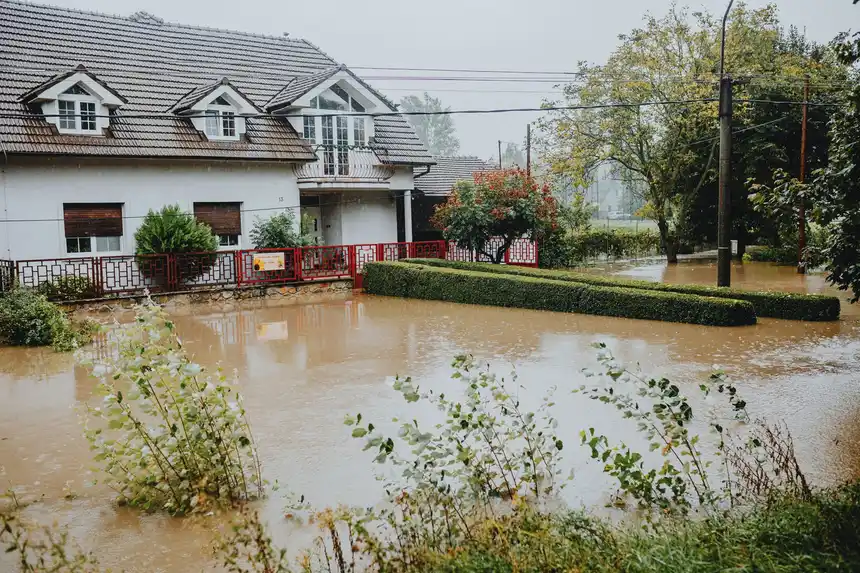
Homes with finished basements hide water behind drywall and under carpet. We map the wet footprint before we set equipment.
- Burst supply line
- Sewage backup
- Storm water intrusion
When your basement takes on water, every hour counts. Our basement water removal arlington TX service pulls standing water fast with truck-mounted extractors, then dries the slab, framing, and stored contents so mold never gets a foothold. We handle flooded basements from burst pipes, slab leaks, sewage backups, and storm intrusion across Tarrant County. Call and we will tell you exactly what to expect before we roll a truck.
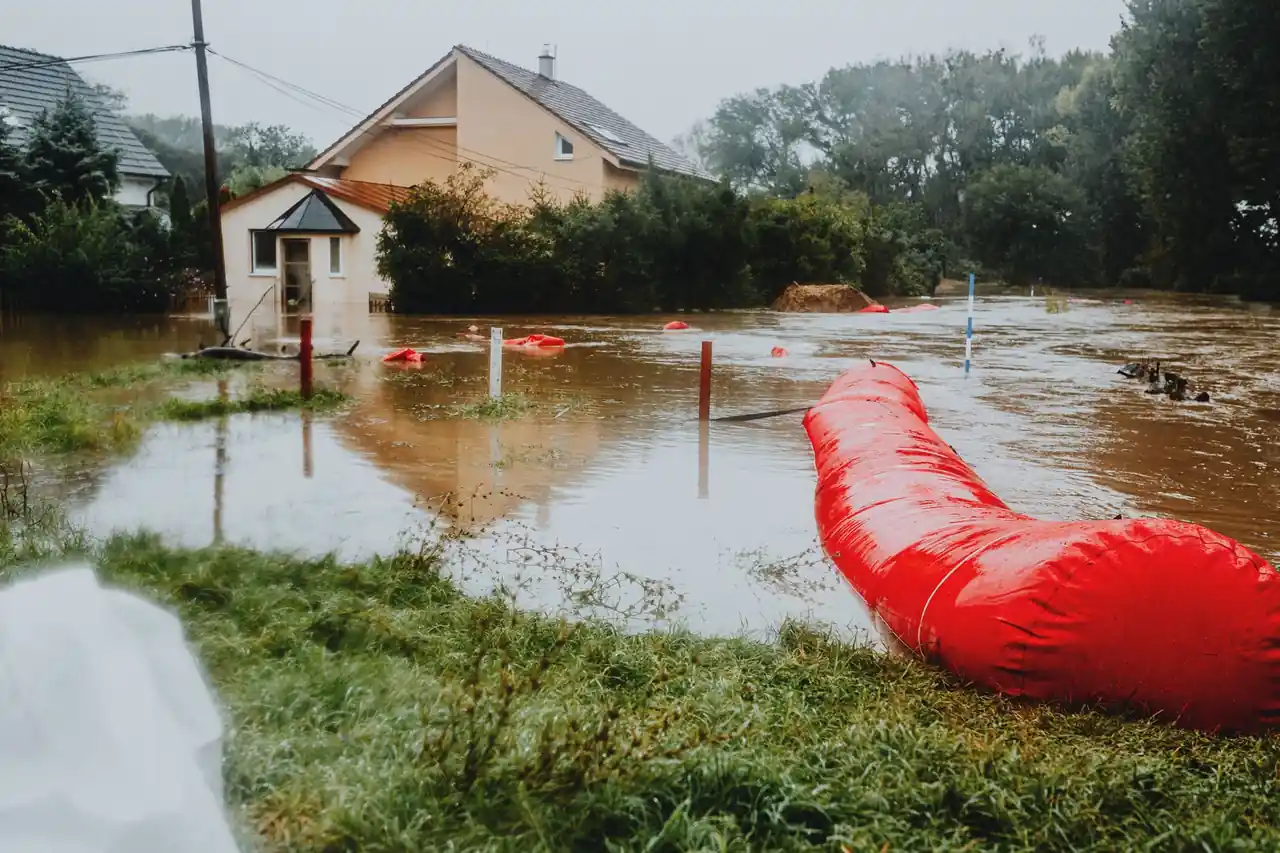 Moisture mappedExtraction firstDaily readings
Every basement water removal job includes the extraction, the drying setup, and the documentation. Some jobs need more, and we tell you that before we start rather than adding line items later.
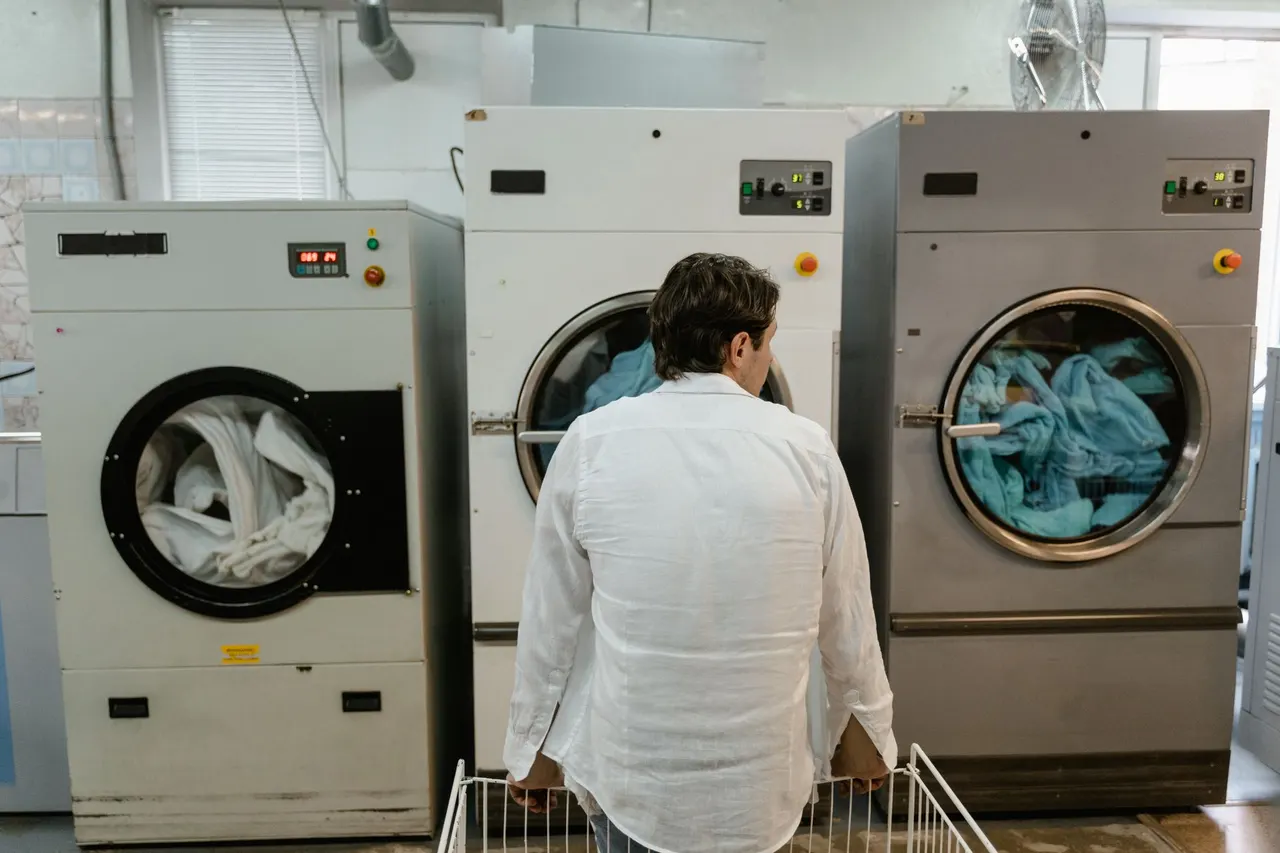
Truck-mounted and portable extractors pull standing water from concrete, carpet, and floor drains. We get into closets, under stairs, and along the perimeter where water hides.
Moisture meters and thermal imaging cameras map the wet footprint so we know how far water traveled into drywall, insulation, and framing before we set equipment.
We apply antimicrobial solutions to exposed framing and slab after extraction. This is standard on contaminated water and smart on clean water where the space will stay closed up.
Air movers and dehumidifiers are sized to the basement's cubic footage. We check readings daily with a hygrometer and adjust placement until the dry standard is met.
You get photos, daily moisture logs, and a clear summary of what was dried. That record supports an insurance claim and shows any contractor what was already done.
The approach is the same for a home and a business. What changes is the access, the schedule and who needs the paperwork.
Homes with finished basements hide water behind drywall and under carpet. We map the wet footprint before we set equipment.
Below-grade storage and mechanical rooms flood without warning. We work around business hours and document the job for your records.
A plain-language look at what Basement Water Removal involves and when it is needed.
See how it worksBasement water removal arlington TX is the controlled extraction, disposal, and drying of standing water from a below-grade space, followed by moisture verification before the area is closed up again. It is not a shop-vac job. We start by shutting off the water source, then use truck-mounted extractors and portable extractors to pull water from carpet, concrete, and floor drains. A moisture meter and thermal imaging camera tell us where water has wicked into drywall and insulation behind the finish line. Only then do we set drying equipment.
Most Arlington basements flood for one of four reasons: a failed sump or slab leak, a burst or frozen pipe, a sewage backup after heavy rain, or storm water intrusion through the foundation. Because the soil here holds clay and drains slowly, a wet basement water removal arlington Texas job often turns into a crawl space moisture problem if the perimeter is not dried too. If you are searching for basement water removal near me arlington TX at 2 a.m., call us. We will walk you through shutting off the supply and keeping the space safe until the crew arrives.
Extraction gets the water out; verified drying keeps it from coming back as mold.
From the first call to the final moisture reading, here is the sequence you will see. Most residential basements are extracted and set for drying the same day.
You call, we ask what flooded and whether the water is clean or contaminated. If it is a sewage backup, we treat it as a category 3 job and bring the right protective gear. We give you a realistic arrival window and tell you how to shut off the supply if you have not already. No guessing, no call-center script.
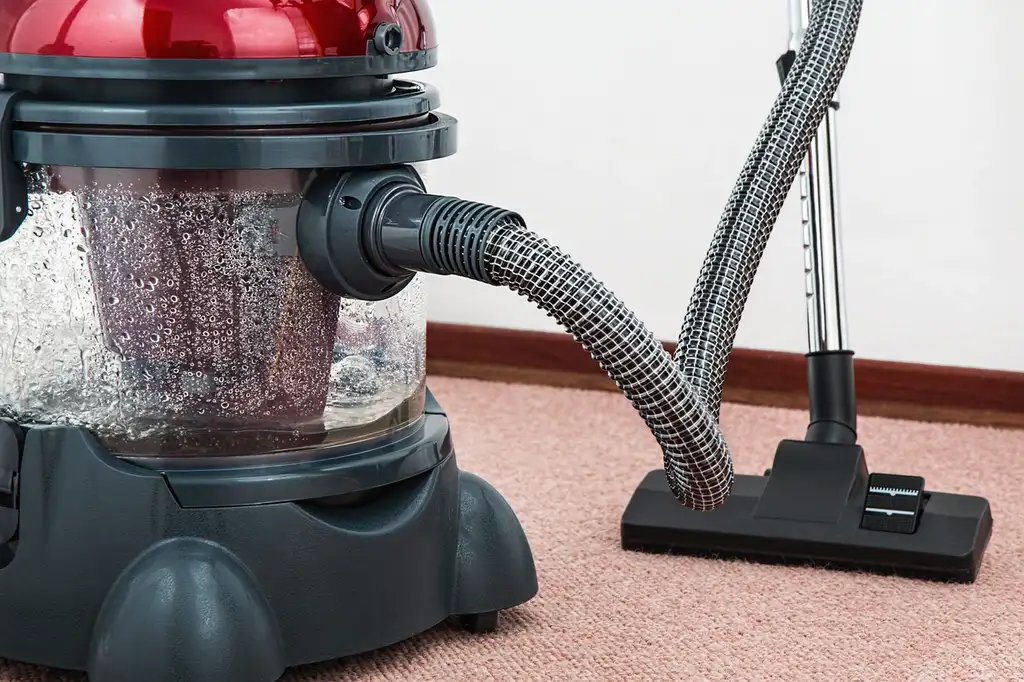
On arrival we walk the basement with a moisture meter and thermal imaging camera. We photograph the water line, check the base of drywall, and look behind the finish where we can. This inspection takes 20 to 40 minutes and tells us how far the water traveled and whether the crawl space or adjacent rooms are involved.
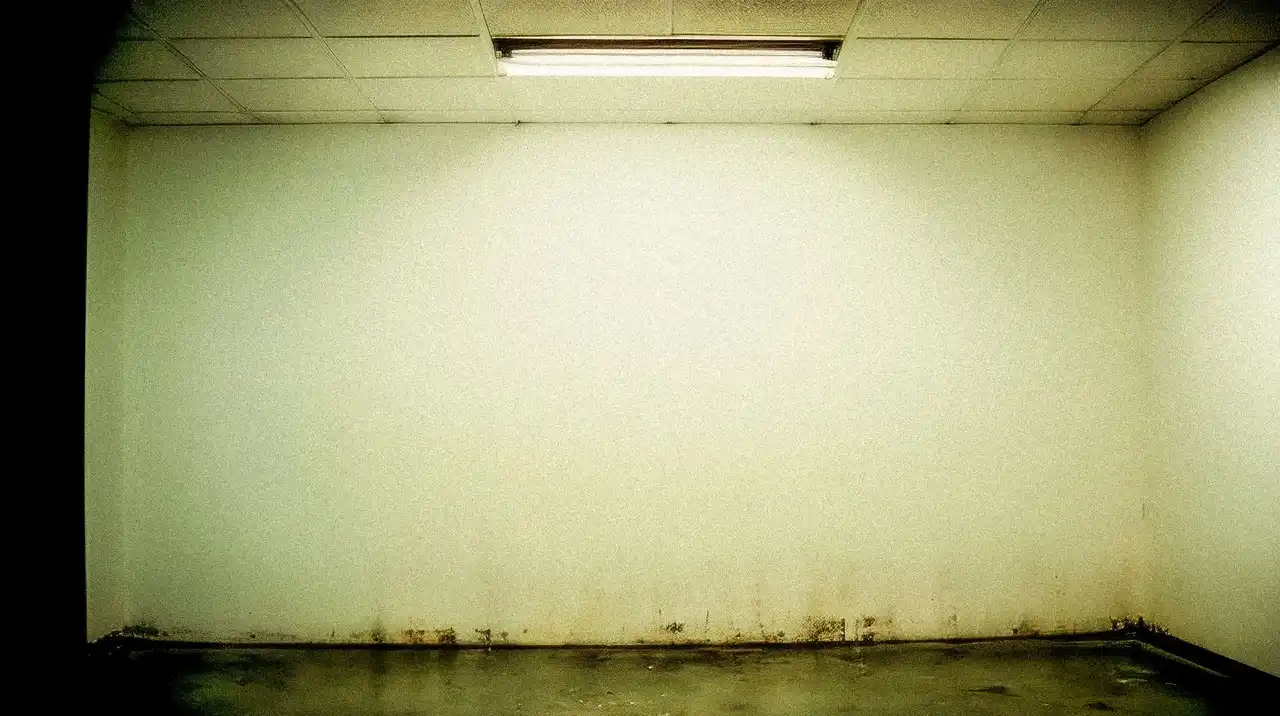
Truck-mounted extractors pull the bulk of the water, and portable extractors get into corners, closets, and under stairs. Saturated carpet pad and unsalvageable drywall come out and get bagged. We apply antimicrobial solutions to the exposed framing and slab so the drying phase starts clean.
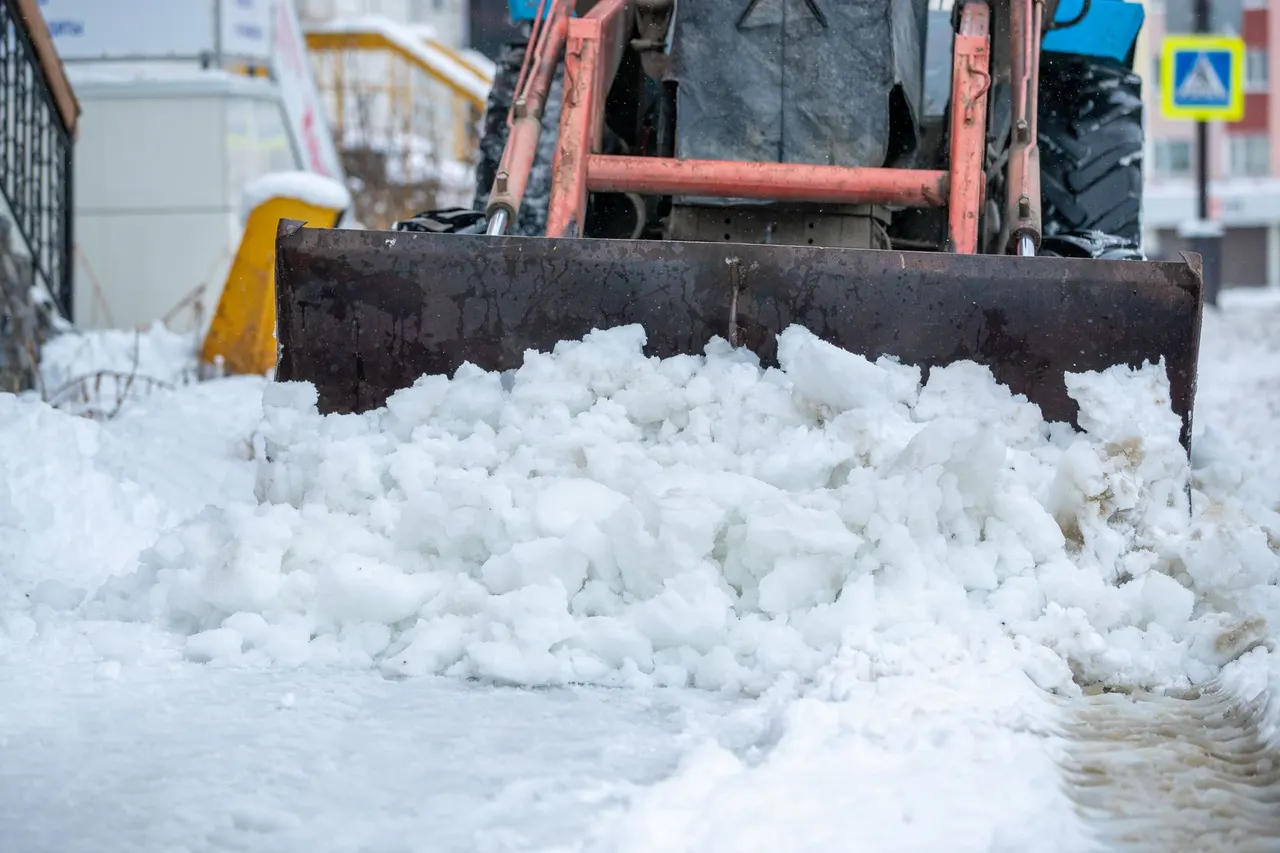
We set air movers and dehumidifiers sized to the cubic footage, not a one-size kit. Desiccants or additional dehumidification go in when the space is closed and humid. We check readings daily with a hygrometer and adjust equipment placement until the slab and framing hit the dry standard.
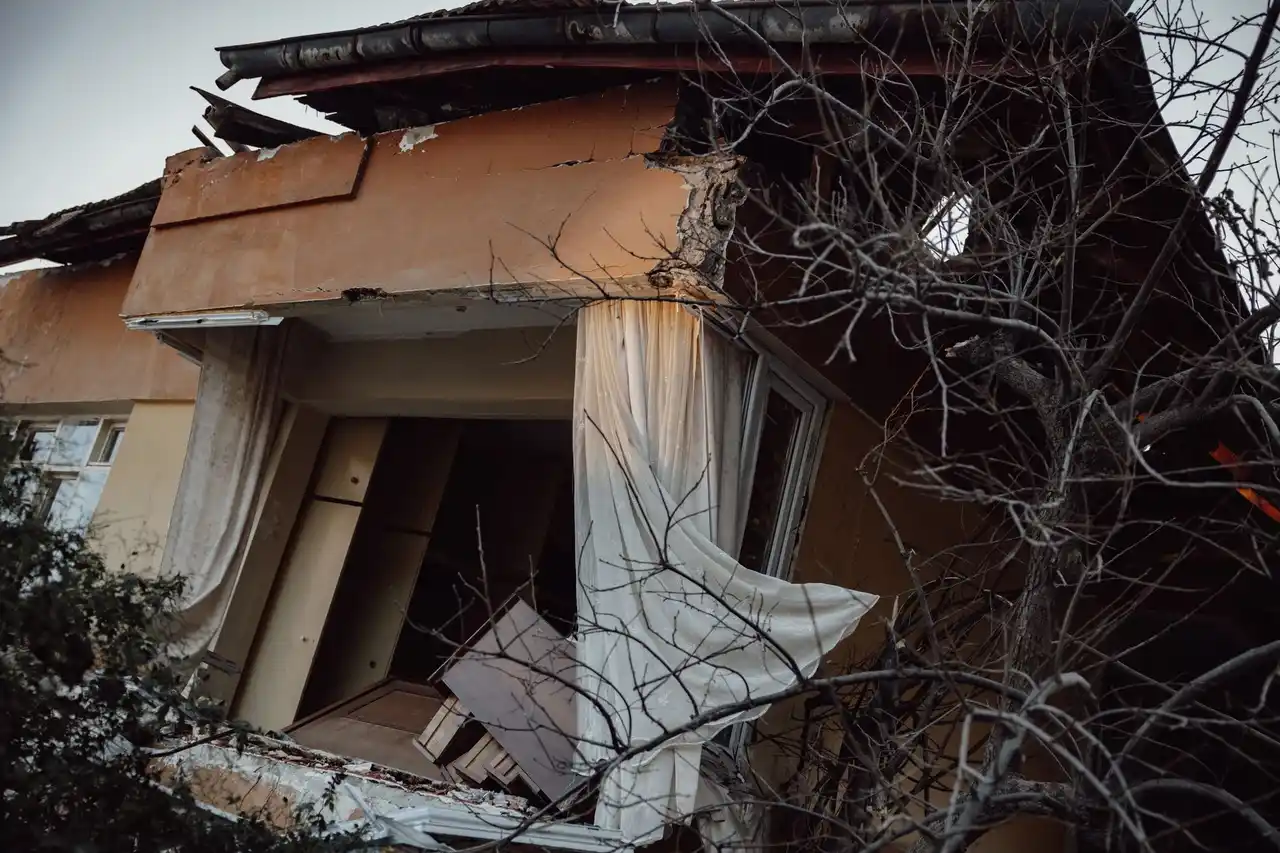
When readings match the dry standard, we pull equipment and walk you through the results. You get photos, moisture logs, and a clear picture of what was dried and what needs repair. If a slab leak or failed pipe caused the flood, we tell you what the plumber needs to fix before the basement goes back together.
Move across a circle, or focus it and press Enter, for an illustrative thermal view of the photograph.
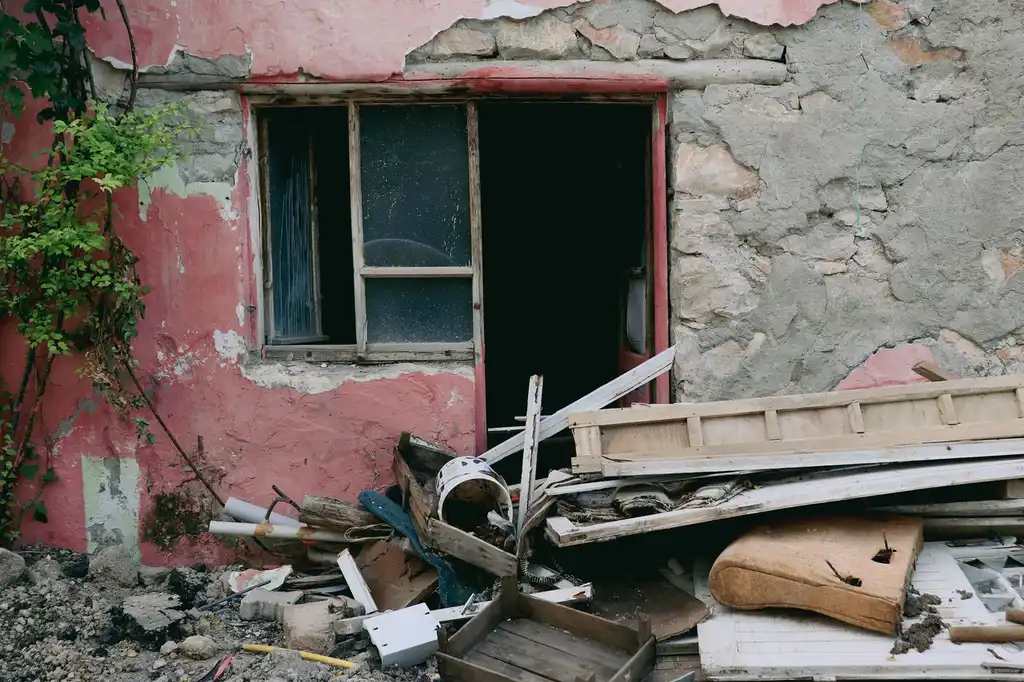
Pull large volumes of standing water fast from concrete and carpet. The truck unit does the heavy lifting so portable equipment can focus on edges and closets.
Reach under stairs, into closets, and along the perimeter where a truck unit cannot go. They also handle small volumes after the bulk water is gone.
Find water hidden behind finished walls and under flooring. The camera shows temperature differences that point to wet framing and insulation.
Measure moisture in materials and humidity in the air. These readings tell us when the space is actually dry, not just dry to the touch.
Move air across wet surfaces and pull moisture out of the space. We size them to the basement's cubic footage and adjust placement as readings change.
Thermal views are illustrative, generated from the photographs.
Pull moisture from the air in closed basements where ventilation is poor. They supplement dehumidifiers when the space is tight and humidity stays high.
Look inside wall cavities and crawl spaces without tearing out more material than necessary. They help us confirm where water traveled before we set equipment.
The IICRC S500 sets the process for water-damaged structures: identify the water category, extract, dry, and verify. We follow it on every basement job so the work is consistent and documentable.
We map the wet footprint with meters and thermal imaging before extraction. That map drives equipment placement and tells us when the job is actually done.
Readings are logged every day the equipment runs. If a wall cavity is drying slower than expected, we adjust airflow or add equipment rather than waiting out the calendar.
On contaminated water jobs, we contain the area and apply antimicrobial solutions and disinfectants before drying. That step protects the rest of the house and the crew.
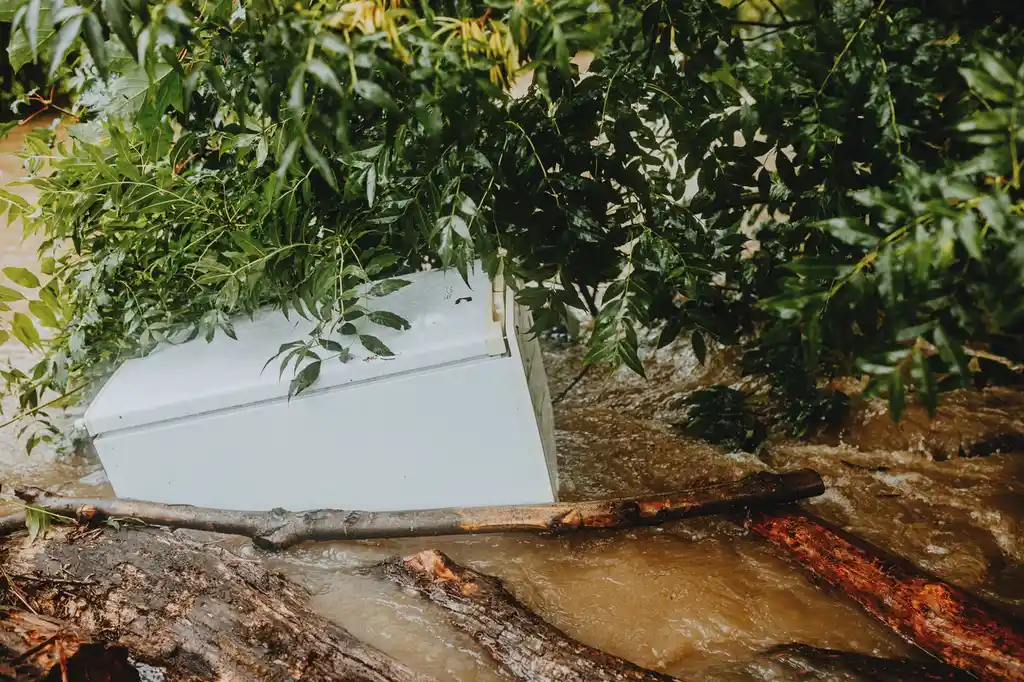
You woke up to an inch of water in a finished basement and the source is a burst pipe.
We shut off the supply, extract the standing water, and remove saturated carpet pad and drywall that cannot be saved. Air movers and dehumidifiers go in the same day, and we check readings daily until the framing is dry.
Outcome: The finished space dries without mold growth, and you know exactly which materials need replacing before the room goes back together.
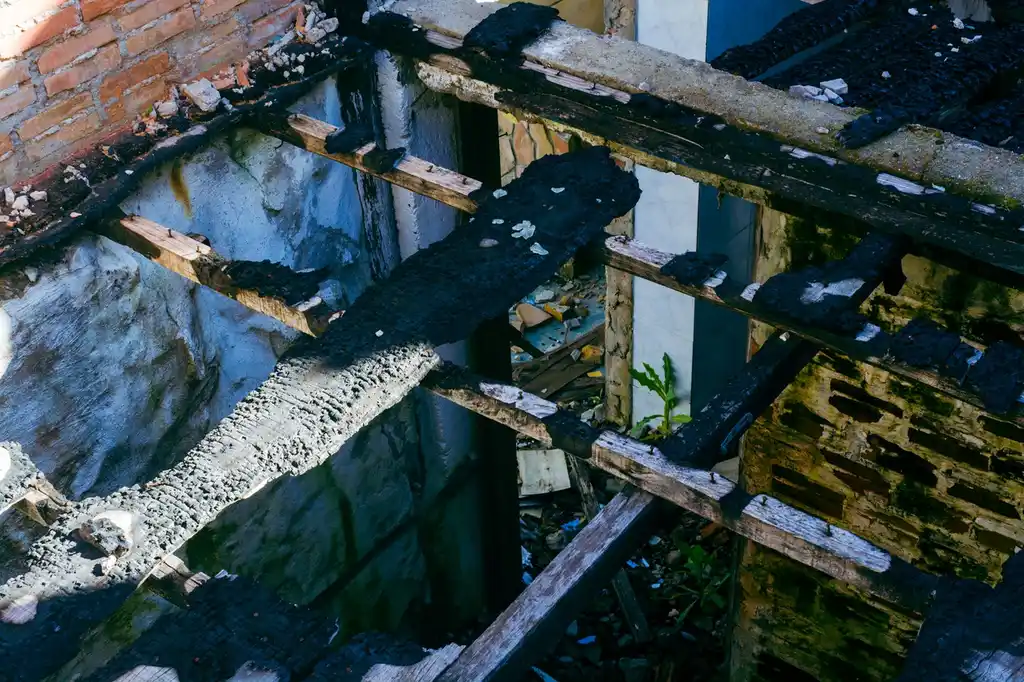
Heavy rain pushed water through the foundation and the basement smells like a sewer.
We treat it as contaminated water, contain the area, extract, and apply antimicrobial solutions and disinfectants. Contaminated materials are bagged and removed before drying equipment goes in.
Outcome: The space is disinfected and dried, and the odor is gone. You also get a clear idea of where the water entered so it can be sealed.
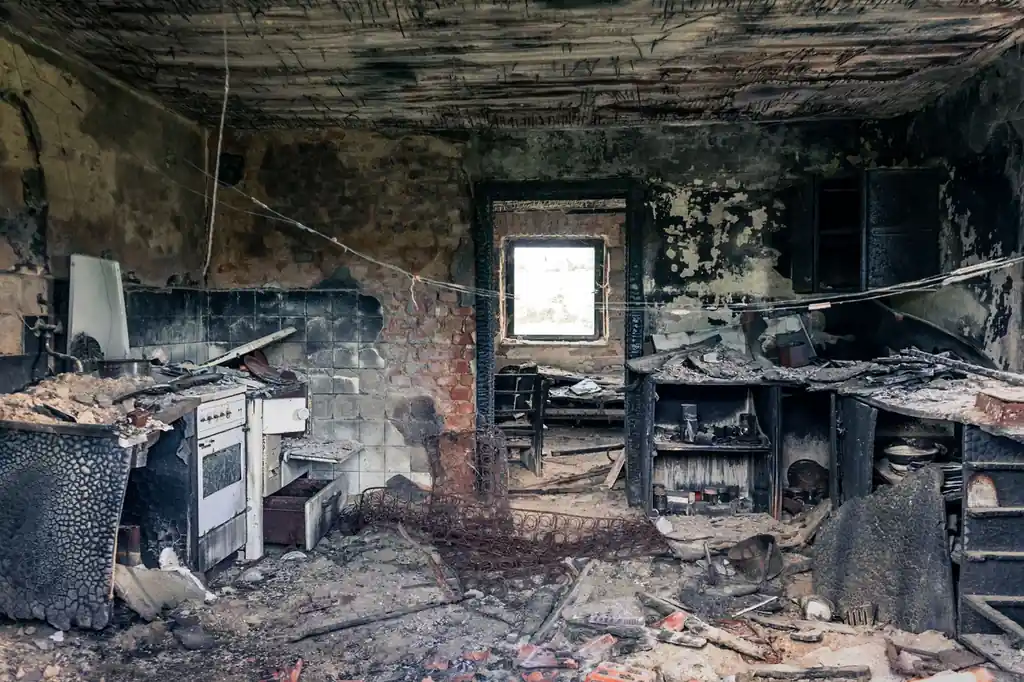
A slab leak has kept the basement damp for weeks and the baseboards are starting to warp.
We map the moisture with thermal imaging, extract any standing water, and dry the slab and framing to a verified reading. We tell you what the plumber needs to fix before the basement is closed up again.
Outcome: The slab and framing dry to standard, and the repair work starts from a known-dry baseline instead of a guess.
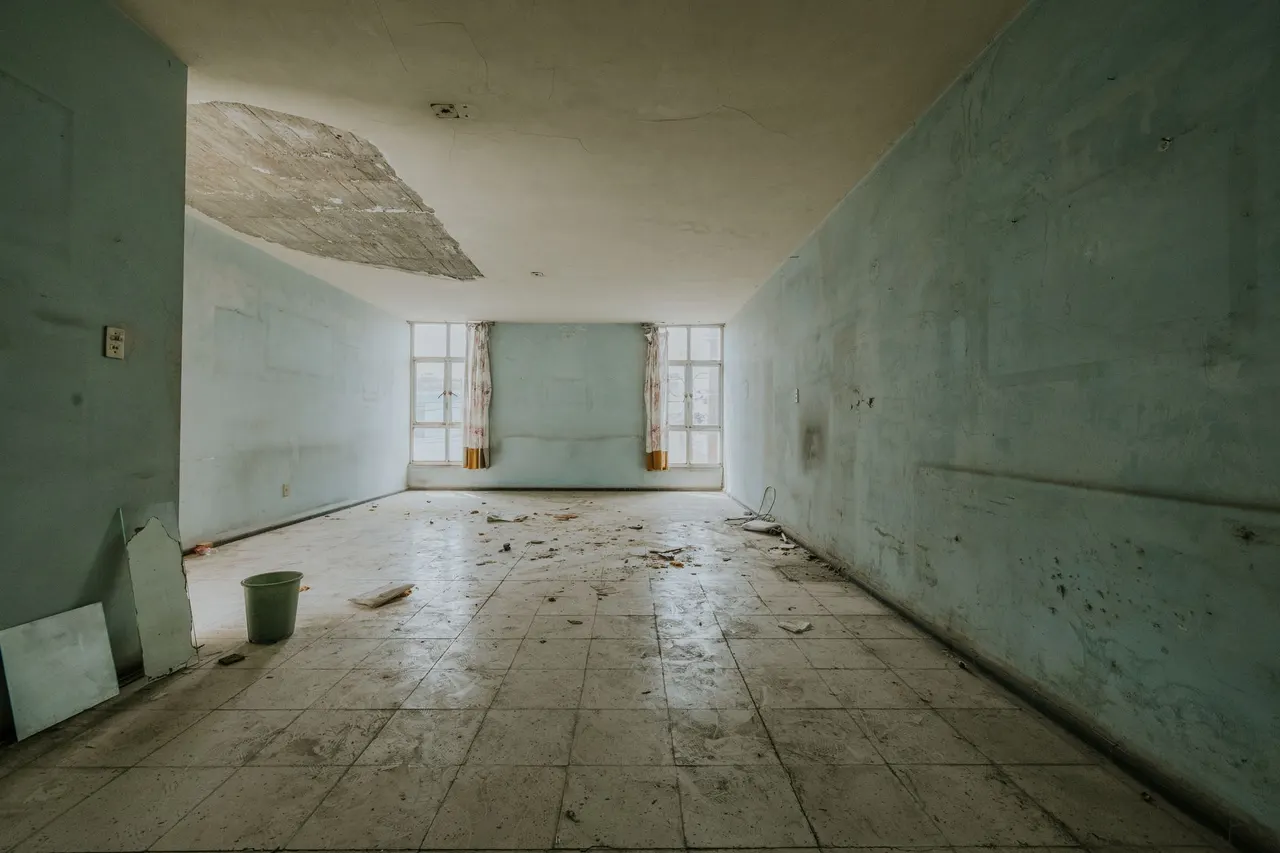
You manage a commercial building and the below-grade storage room floods every spring.
We extract, dry, and document the job for your property records. Then we identify the entry point so the drainage fix can be scheduled before the next rainy season.
Outcome: The storage room is usable again, and you have documentation for ownership and insurance.
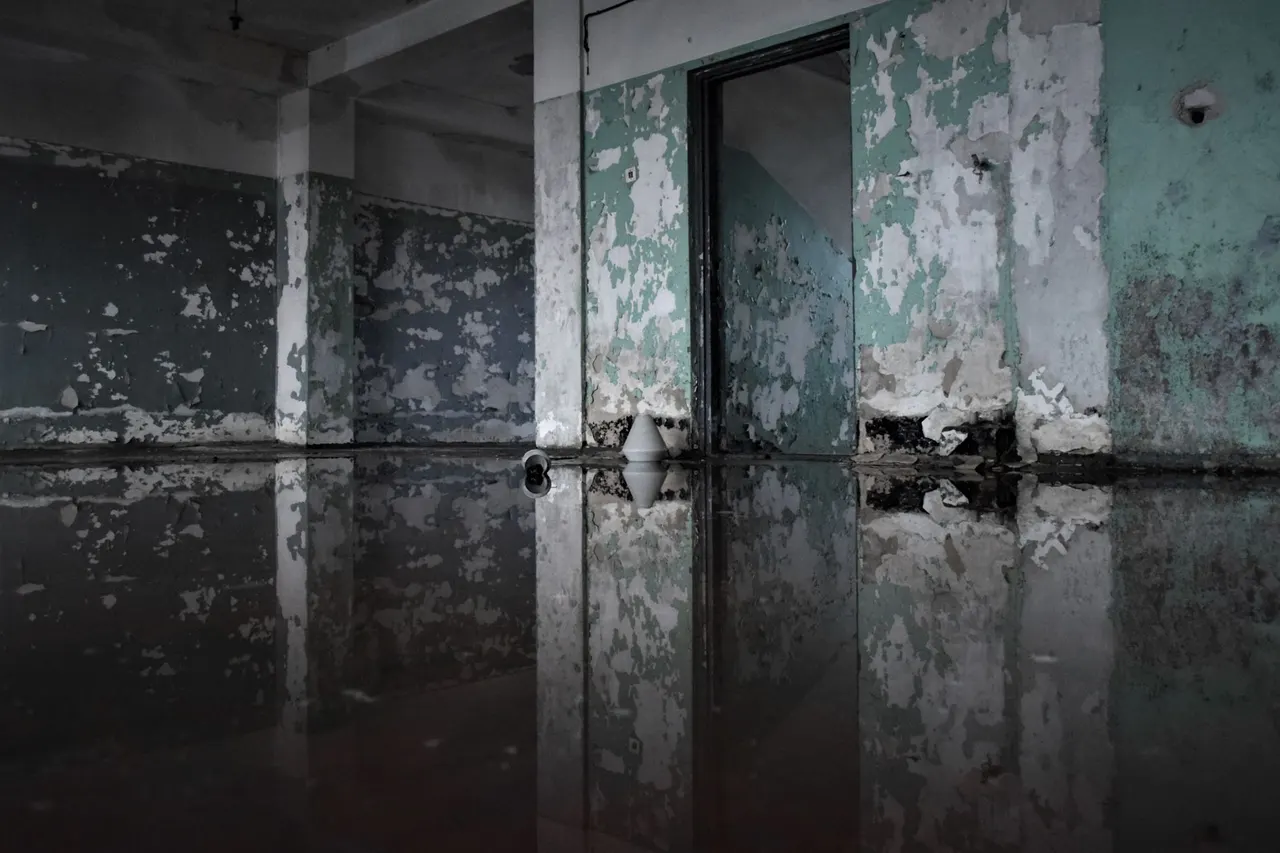
A frozen pipe burst while you were out of town and the basement has been wet for two days.
We extract the water, remove saturated materials, apply antimicrobial solutions, and set drying equipment sized to the space. Daily monitoring continues until the dry standard is met.
Outcome: The basement is dried and documented, and you know what repair work is needed before you move back in.
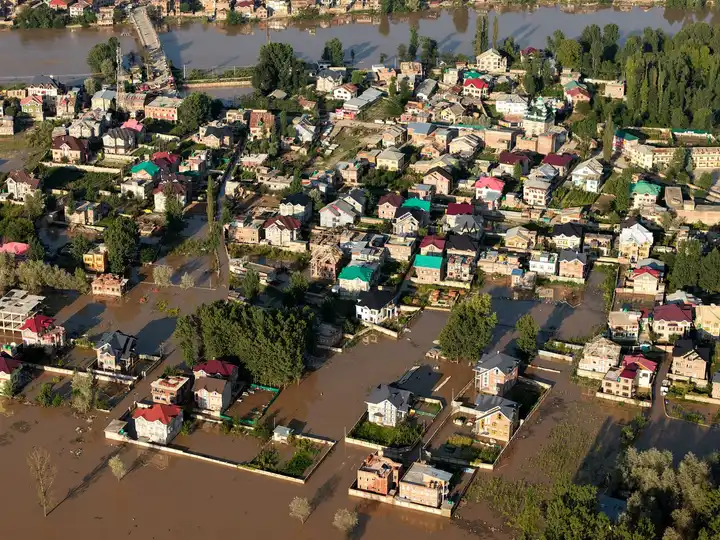
Arlington sits on clay-heavy soil that drains slowly, so water from a burst pipe or a storm tends to pool against the foundation instead of soaking away. That is why basement water extraction arlington jobs often involve the crawl space and perimeter, not just the floor.
Older homes near Downtown Arlington and the Entertainment District have foundation drains that were not built for the rain volumes we see now, and finished basements in Viridian and Interlochen hide water behind drywall where a moisture meter is the only way to find it.
When you call for flooded basement water removal arlington TX, we bring equipment sized for the space and check the adjacent rooms before we call the job done. If you are searching for emergency basement water removal arlington at 2 a.m., call and we will walk you through shutting off the source.
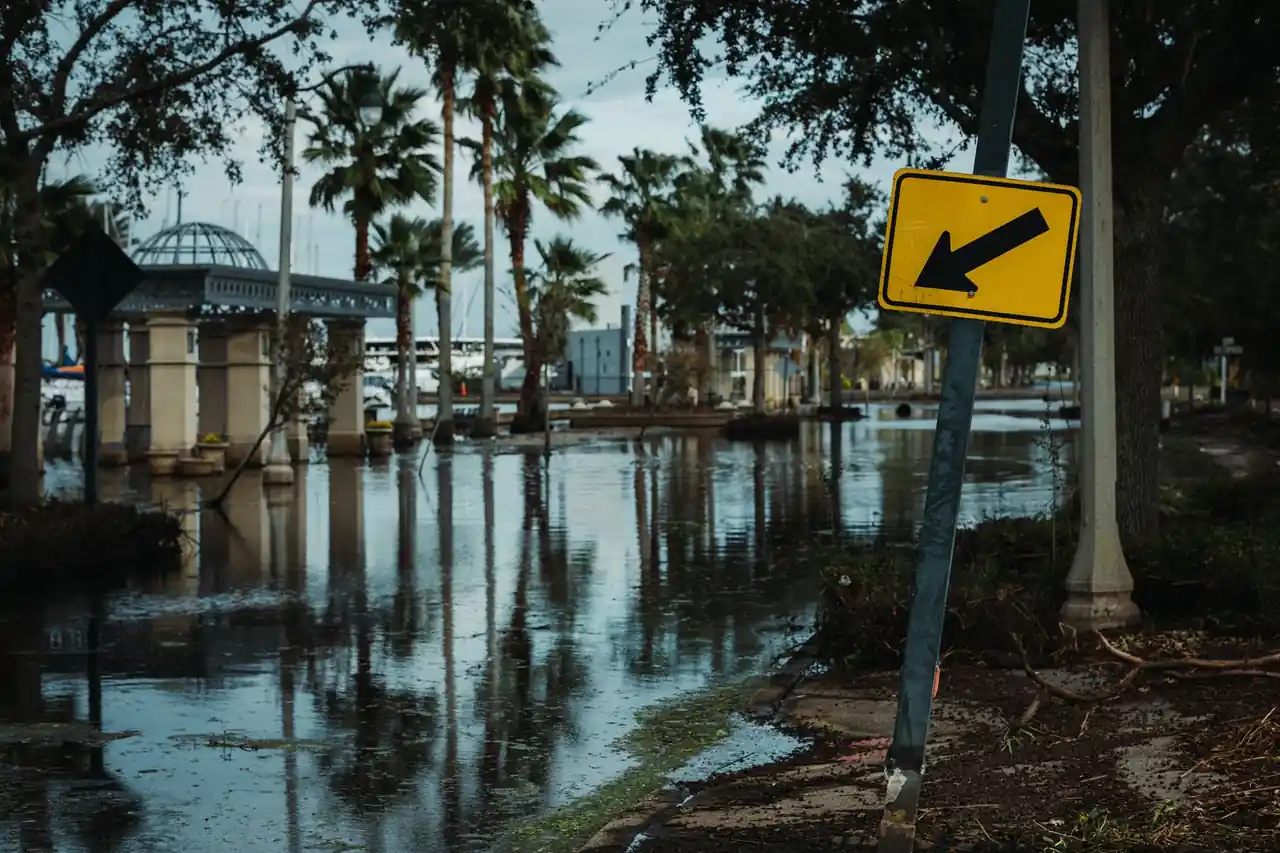
Before: A slab leak put two inches of water across 600 square feet of finished basement. Carpet and pad were saturated, and the baseboards were starting to wick water. The homeowner had shut off the supply but could not get ahead of the water.
After: We extracted the standing water, removed the saturated pad, and set air movers and dehumidifiers. Daily readings showed the slab and framing drying on schedule. The space hit the dry standard in four days, and the homeowner replaced only the pad, not the carpet.
Fix the slab leak before the basement goes back together, and keep a moisture meter on hand to check the perimeter after heavy rain.
Before: Heavy rain overwhelmed the sewer line and backed up into a finished basement. The water was contaminated and the room smelled. The homeowner had started mopping before realizing the water category.
After: We contained the area, extracted the water, and removed the saturated drywall and insulation. Antimicrobial solutions and disinfectants went on the exposed framing, and drying equipment ran for five days. The moisture logs showed the framing dry to standard, and the odor was gone.
Have the sewer line scoped after a backup, and keep a backwater valve on the basement drain to reduce the chance of a repeat.
Before: A spring storm pushed water through a foundation crack and window well into a newer basement. The water was shallow but spread across the concrete and into a storage area with boxes and furniture.
After: We moved contents to a dry zone, extracted the water, and set air movers and a dehumidifier. The concrete dried in three days, and the stored items were saved. We identified the entry point so the homeowner could seal it before the next storm.
Seal the foundation crack and extend the window well drain away from the house. Check the basement after every heavy rain.
Most basement water calls fall into a handful of patterns. Here is what we see and how we handle each one.
A dry basement, documented readings, and a clear next step.
Mold can colonize wet drywall and insulation in 24 to 48 hours. We extract standing water, remove saturated materials, and apply antimicrobial solutions to framing before we set air movers. That sequence is what keeps a basement water cleanup arlington job from turning into a mold remediation job two weeks later.
Concrete wicks moisture and hardwood floor cupping starts fast when water sits under a finished basement floor. We use moisture meters and thermal imaging cameras to map the wet footprint, then dry to a verified reading rather than a guess. That is how we protect the structural value of your home.
Boxes, furniture, and seasonal gear absorb water and hold it against the floor. Our crew moves contents to a dry zone, sets absorbent pads under legs and edges, and documents what can be saved versus what has to go. Fast basement water extraction arlington keeps more of your stuff out of the dumpster.
Extraction, drying, dehumidification, and a final moisture report come from the same crew. You are not coordinating a plumber, an extractor, and a mold company on three schedules. We scope the job, do the work, and hand you a documented dry standard so your insurance claim moves without back-and-forth.
Clear records you can keep and share.
Before and after images of the space
Daily readings for materials and air
What was extracted and removed
What needs fixing before rebuild
The category of water decides the protective gear, the treatment, and what can be saved.
From a supply line or rainwater
From appliances or tubs
Sewage or storm surge
A list like this tells people straight away whether you cover their street. Not listed? Call and ask: it only takes a minute.
Based in arlington and covering the places around it. Pick one for local details.
The range depends on water depth, square footage, whether the water is contaminated, and how many days of drying are needed. Sewage backups and finished basements with wet drywall sit at the higher end. We give you a scope and price before work starts, not after.
The most common causes in Arlington are slab leaks under the foundation, burst or frozen pipes, sewage backups after heavy rain, and storm water pushing through foundation cracks. Clay-heavy soil drains slowly, so water pools against the foundation instead of soaking away. If your basement floods every time it rains hard, the fix is usually drainage and foundation sealing, not just extraction. We identify the source during the inspection.
In most cases, yes. Calls placed before mid-afternoon typically get a crew the same day, and we confirm an arrival window when you call. If the water is contaminated or the basement is finished, we bring the right equipment on the first trip so we are not making a second run for extractors or drying gear. Call and we will tell you honestly what today looks like.
Extraction usually takes two to four hours for a typical residential basement. Drying runs three to five days depending on materials, humidity, and how much water reached the framing. Concrete slabs dry faster than finished drywall and insulation. We check readings daily and pull equipment when the dry standard is met, not on a fixed calendar. You get the moisture logs at the end.
Other services from the same team.
Standing water gets worse every hour. Call and we will confirm an arrival window, tell you how to shut off the source, and bring the extraction and drying equipment the job needs.
Call us any time and describe what happened. We ask a few questions about the water source and how long it has been running, then get a crew headed your way. If you prefer email, send photos of the damage and we will follow up with next steps.