For homes
We handle burst pipes, appliance leaks, and storm flooding in houses across Arlington. Our crew extracts water and dries the structure so you can get back to normal.
- Burst pipe in a wall
- Water heater failure
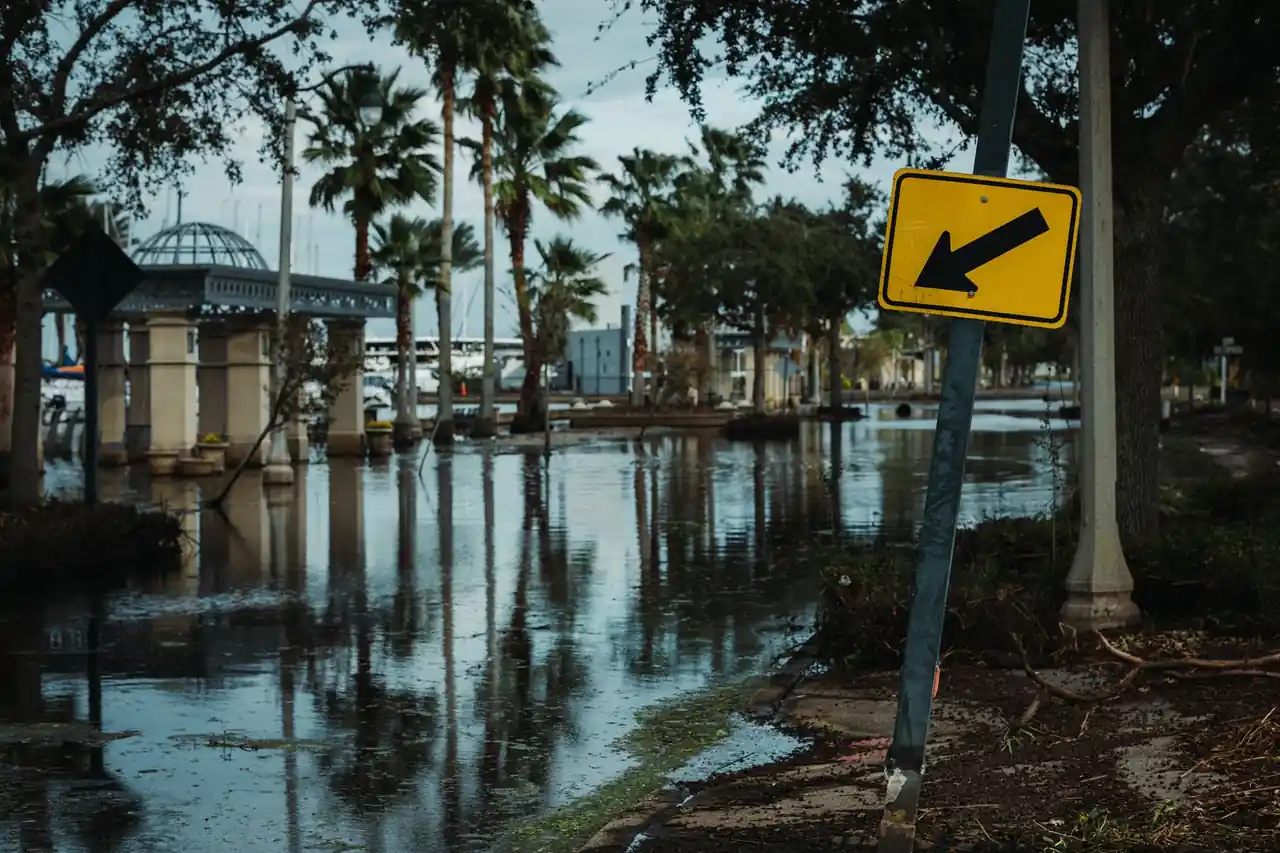
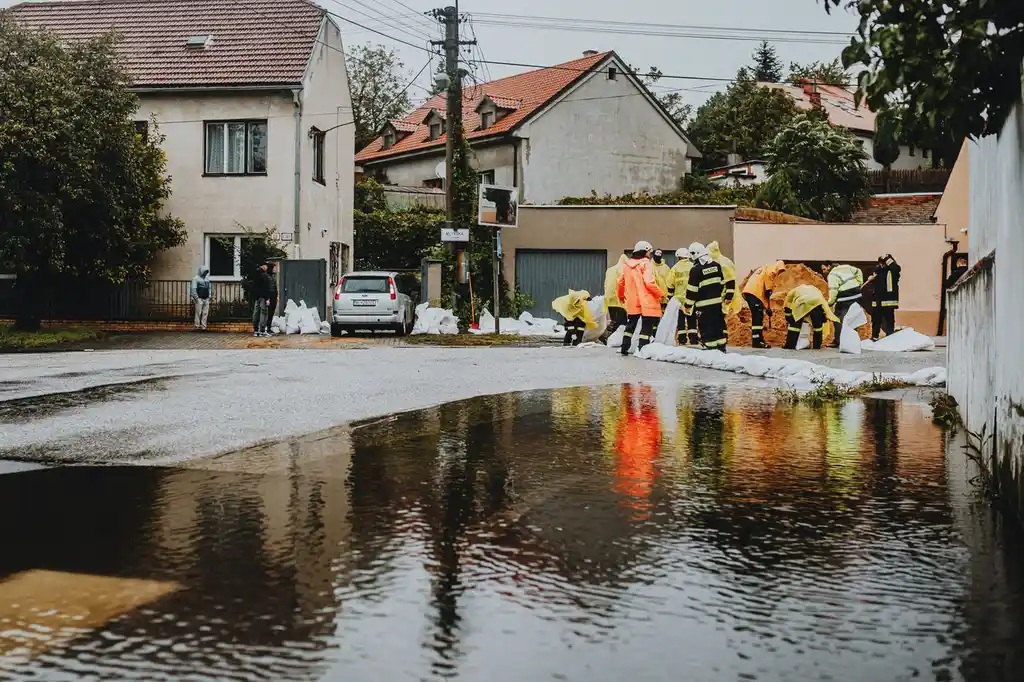
- Storm water in a basement
When water is rising in your home, every minute counts. Our flood water removal arlington TX team pulls standing water, dries the structure, and documents everything for your claim. We handle storm flooding, burst pipes, sewage backups, and flooded basements across Tarrant County. Call and we roll a truck to your address.
 Moisture mappingWater extractionDaily drying checks
Every flood water removal job is different, but most include the same core steps. Here is what you can expect us to handle, and what may be an add-on depending on your situation.
We pull standing water from floors, carpets, and low areas using truck-mounted and portable extractors. This is the first and most urgent step. We work until the standing water is gone, usually within two to four hours on a typical residential job.
We use thermal imaging cameras, moisture meters, and hygrometers to find where water traveled. This tells us what is wet, what is dry, and where to place equipment. You get a clear picture of the affected area before we start drying.
After extraction, we apply antimicrobial solutions and mold inhibitors to affected surfaces. This slows mold growth while the structure dries. For sewage or storm water, we use stronger disinfectants and may remove contaminated materials.
We set air movers and dehumidifiers based on the size and layout of the affected area. In crawl spaces or closed cavities, we may use desiccants. Equipment runs continuously until moisture readings hit the dry standard.
We return each day to check moisture readings and adjust equipment. You get a log of readings and photos for your records or insurance claim. We do not pull equipment until the structure is actually dry.
When drying is complete, we do a final walkthrough with you. We take last moisture readings, confirm the structure is dry, and provide a drying report. If repairs are needed, we explain what and why.
The approach is the same for a home and a business. What changes is the access, the schedule and who needs the paperwork.
We handle burst pipes, appliance leaks, and storm flooding in houses across Arlington. Our crew extracts water and dries the structure so you can get back to normal.
We work with property managers and business owners to extract water and dry commercial spaces fast. We document everything and work around your hours to minimize downtime.
A plain-language look at what Flood Water Removal involves and when it is needed.
See how it worksFlood water removal arlington TX is the process of extracting standing water from a structure, then drying the building materials so mold does not take hold. It starts with a moisture map: we use thermal imaging cameras and moisture meters to find where water traveled behind walls and under floors. Truck-mounted extractors pull hundreds of gallons in minutes. Air movers and dehumidifiers finish the job over two to five days.
Arlington sits in Tarrant County where clay soil, slab foundations, and summer storm cells push water into homes fast. A burst pipe at 2 a.m. or a backed-up drain during a downpour can leave two inches across your floors before you wake up. When you search flood water removal near me arlington TX, you need a crew that knows how water moves through slab-on-grade construction. That is exactly what we do here.
Flood water removal is extraction plus drying, and both steps matter equally.
Every job follows the same sequence, whether it is a burst pipe in Pantego or storm water in a Viridian garage. Here is what you can expect from the first call to the final walkthrough.
You call, we ask what happened and where the water is coming from. We give you a straight answer on what to do right now: shut off the main, kill power to wet areas, move what you can. A crew is dispatched with extraction equipment loaded.
We walk the property with moisture meters, thermal imaging cameras, and a hygrometer to find the full extent of the water. You get a clear picture of what is wet, what is not, and what it will take to dry it. This usually takes 30 to 45 minutes.
Truck-mounted extractors pull standing water from carpet, hardwood, and concrete. For deep water or sewage backups, we use portable extractors and wet vacuums in tight spaces. Most residential jobs are extracted within two to four hours.
We set air movers and dehumidifiers to dry the structure. Desiccants may be used in crawl spaces or closed cavities. We check moisture readings daily and adjust equipment until materials hit dry standard. This phase runs two to five days.
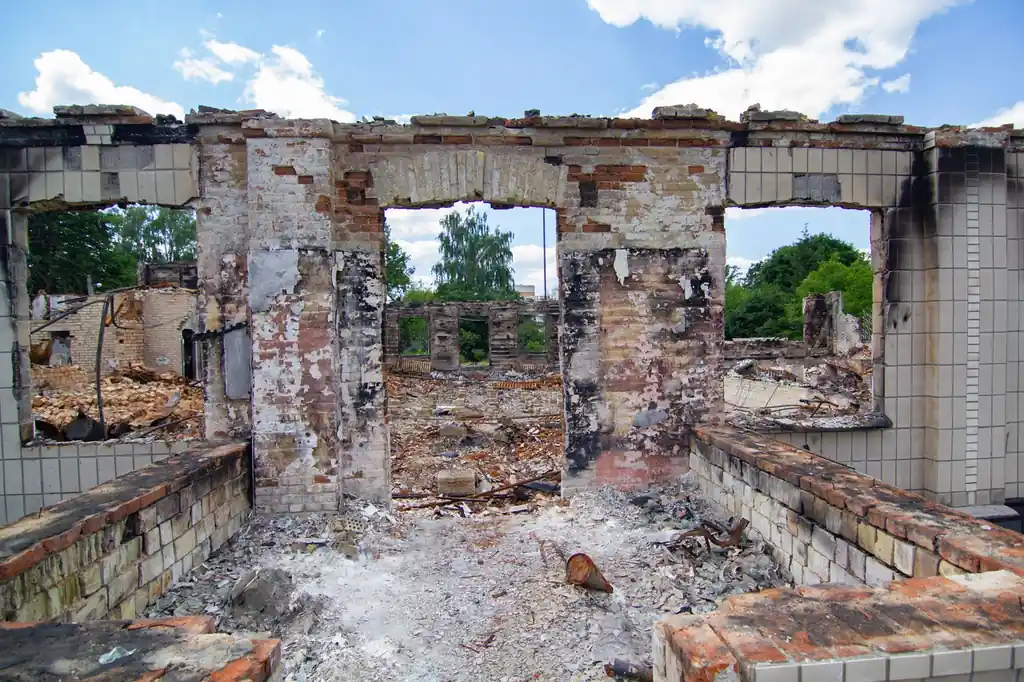
We take final moisture readings, confirm the structure is dry, and walk you through the results. You get a drying report and photo log for your records or your insurance claim. If any repairs are needed, we tell you what and why.

Move across a circle, or focus it and press Enter, for an illustrative thermal view of the photograph.
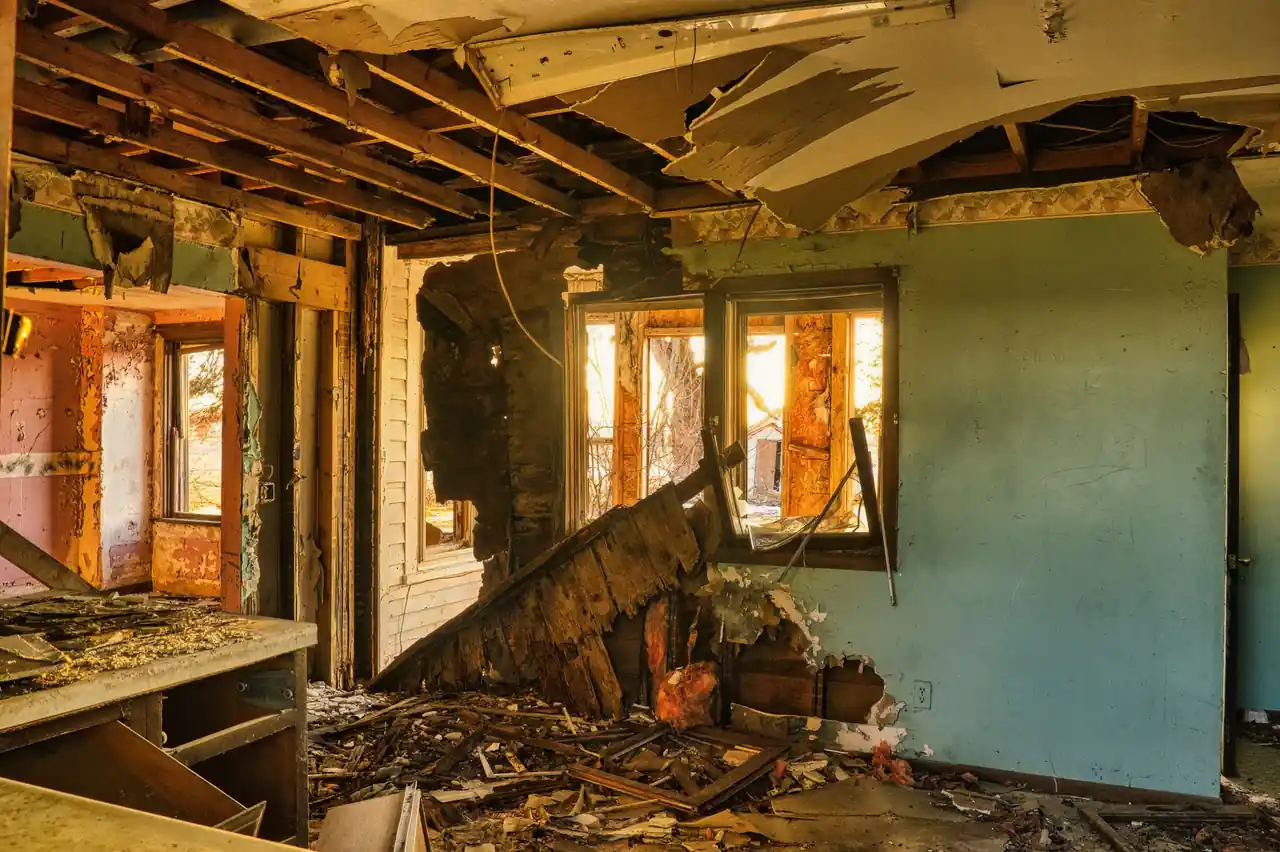
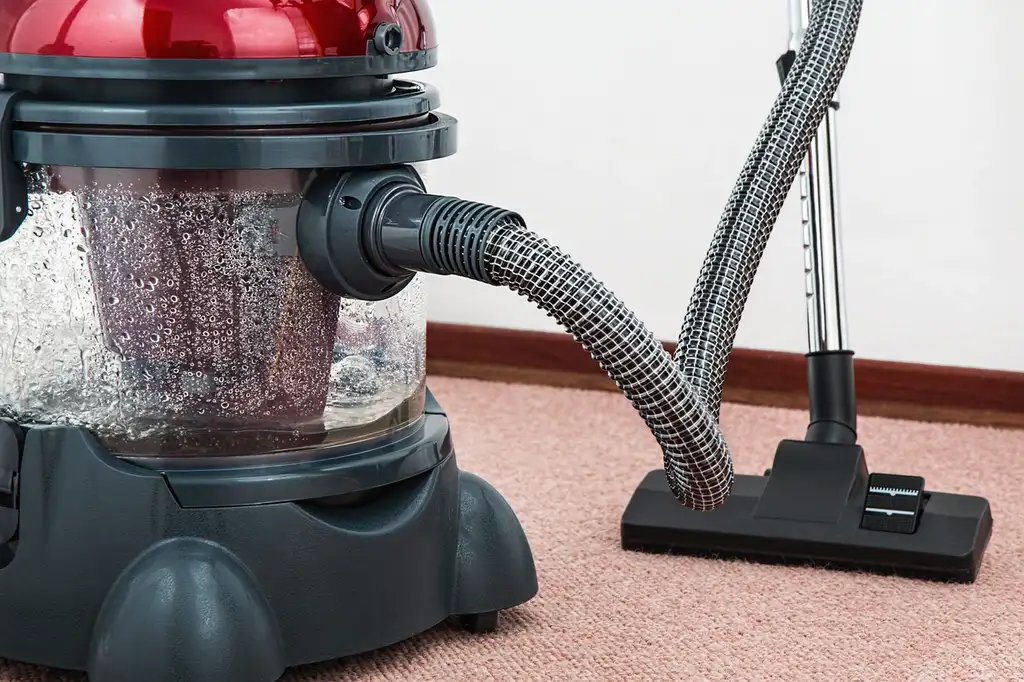
High-capacity units that pull hundreds of gallons of standing water from carpets, hardwood, and concrete. They are the fastest way to remove bulk water from a home.
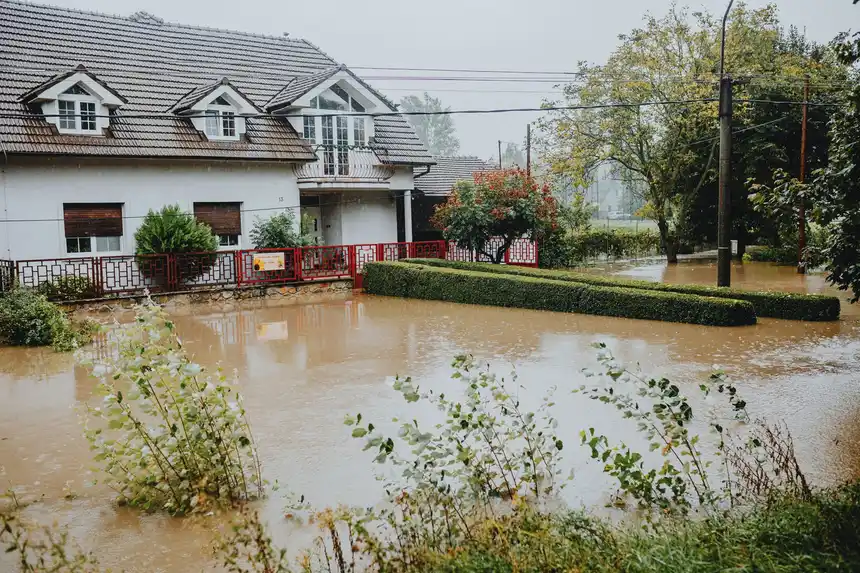
Used in tight spaces like closets, crawl spaces, and under cabinets where a truck mount cannot reach. They handle smaller volumes but reach where the big units cannot.
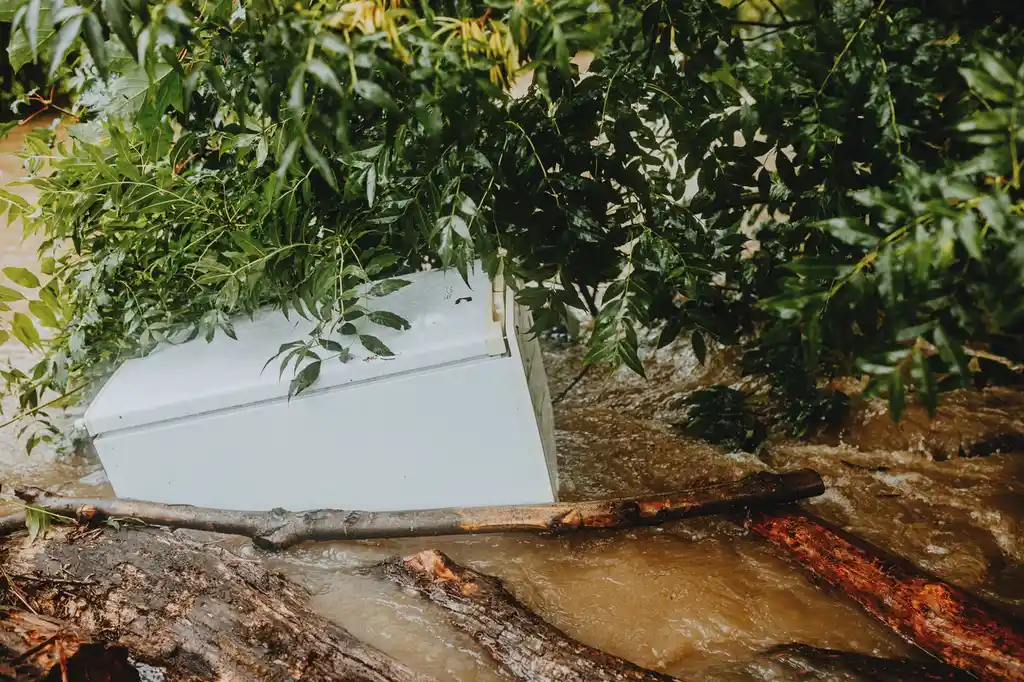
Air movers keep air circulating across wet surfaces, while dehumidifiers pull moisture from the air. Together they dry the structure over two to five days.
These find water behind walls, under floors, and in ceiling cavities. They tell us where to place equipment and when the structure is actually dry.
Hygrometers measure relative humidity in the air. Inspection cameras let us see inside wall cavities and ductwork without tearing them open.
Thermal views are illustrative, generated from the photographs.
Used in crawl spaces and closed cavities where standard dehumidifiers cannot reach. They pull moisture from the air in low-temperature or tight spaces.
Placed on hardwood floors to pull moisture out of the planks and subfloor without causing cupping. They are a key tool for saving hardwood after a flood.
This is the industry standard for water damage restoration. It defines water categories, drying goals, and documentation requirements. We follow it on every job, from moisture mapping to final readings.
We map the affected area with thermal imaging cameras and moisture meters, then check readings daily. This tells us if drying is on track and when to adjust or remove equipment.
We apply antimicrobial solutions and mold inhibitors to wet surfaces after extraction. This slows mold growth while the structure dries. For category 3 water, we use stronger disinfectants and remove contaminated materials.
We write scopes in Xactimate, the software most insurance carriers use. This gives your adjuster clean, standardized numbers and speeds up the claim process.
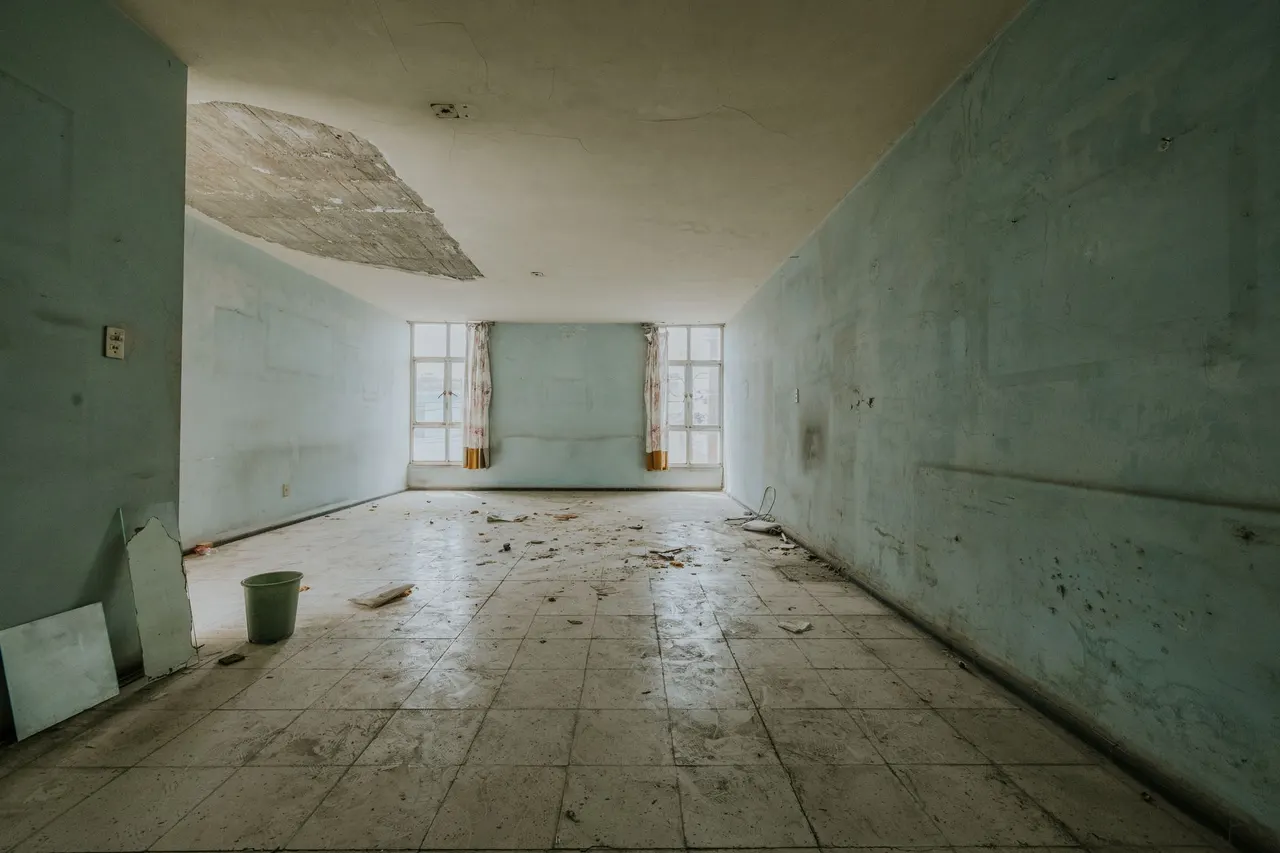
A pipe bursts at 2 a.m. and water is spreading across the first floor.
We dispatch a crew with truck-mounted extractors and drying equipment. We shut off the water if you have not, extract standing water, and set air movers and dehumidifiers. We also check the ceiling below for moisture.
Outcome: You wake up to a crew already working, not a flooded house. Most of the water is gone within hours, and drying starts the same night.
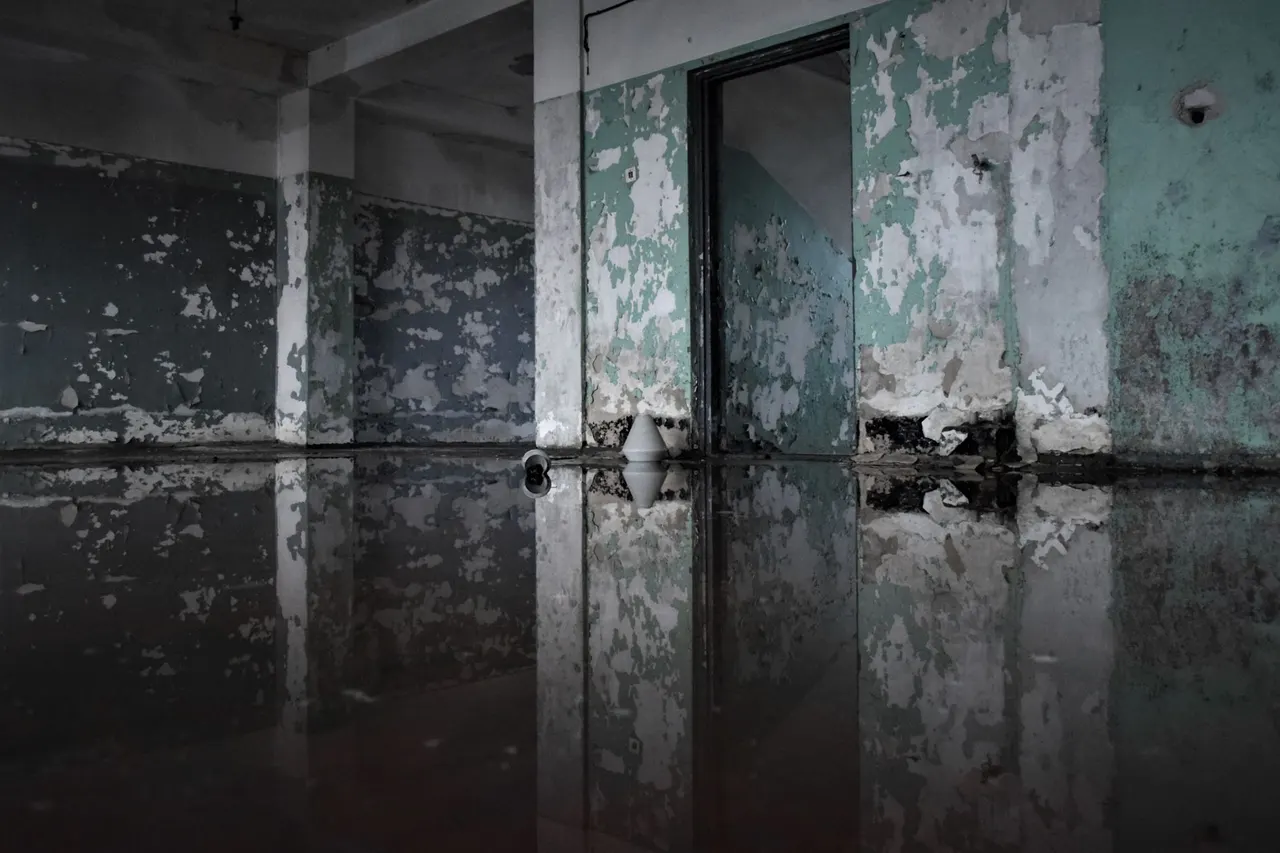
A storm dumps three inches of rain and water seeps into your basement or crawl space.
We extract the water, remove wet insulation or debris, and set dehumidifiers and desiccants. We check for foundation cracks and storm water intrusion points. We document everything for your insurance claim.
Outcome: Your basement or crawl space is dry and stable, and you have a record of the damage for your carrier.
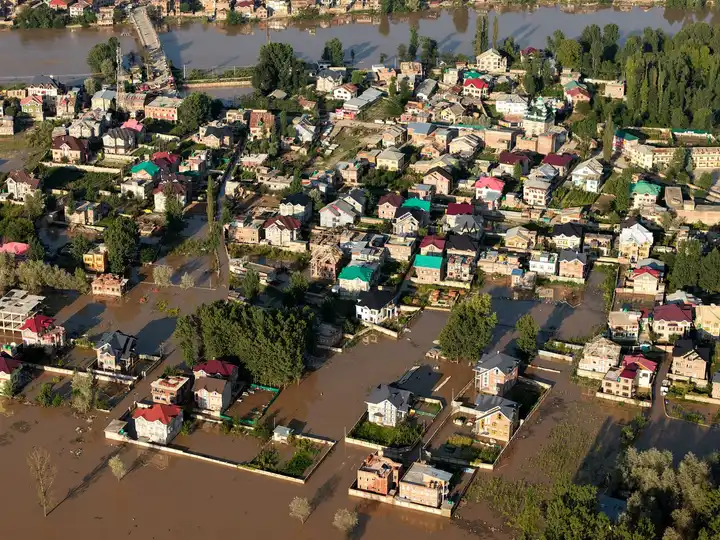
Your water heater fails and soaks the hallway and a bedroom closet.
We extract the water from carpet and hardwood, then set drying equipment. We use floor mats to dry hardwood without cupping. We check the walls and baseboards for moisture and apply antimicrobial solutions.
Outcome: The floor dries flat, the closet does not smell musty, and you avoid replacing the hardwood.
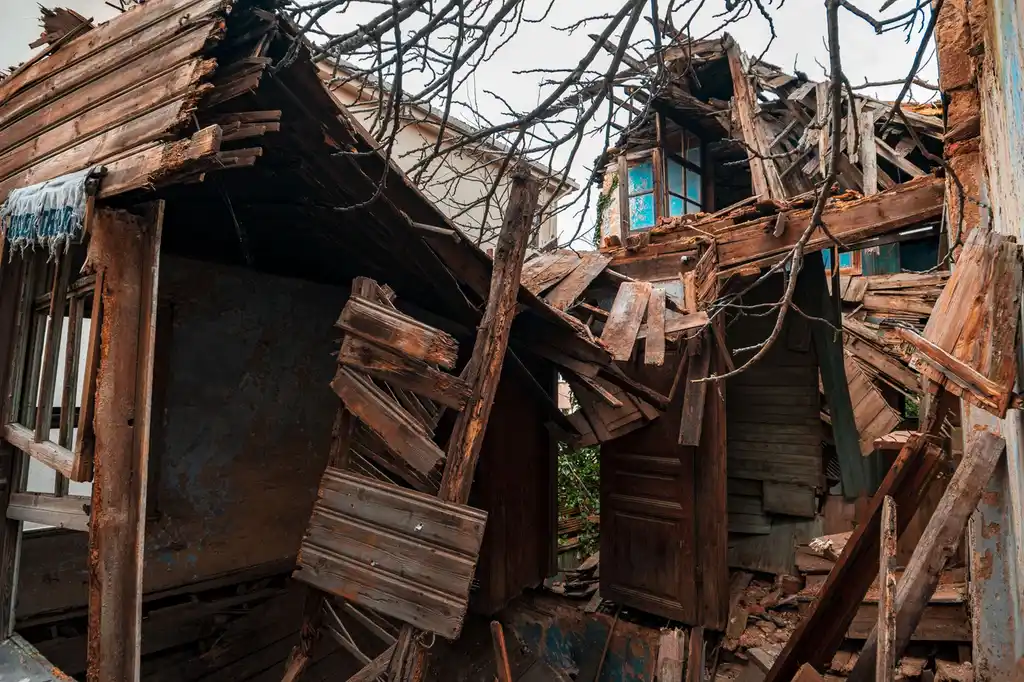
A sewage backup fills your basement bathroom with contaminated water.
We dispose of the waste properly and dry the remaining structure with air movers and dehumidifiers.
Outcome: The space is clean, dry, and safe. You have documentation for your insurance claim and no lingering odor.
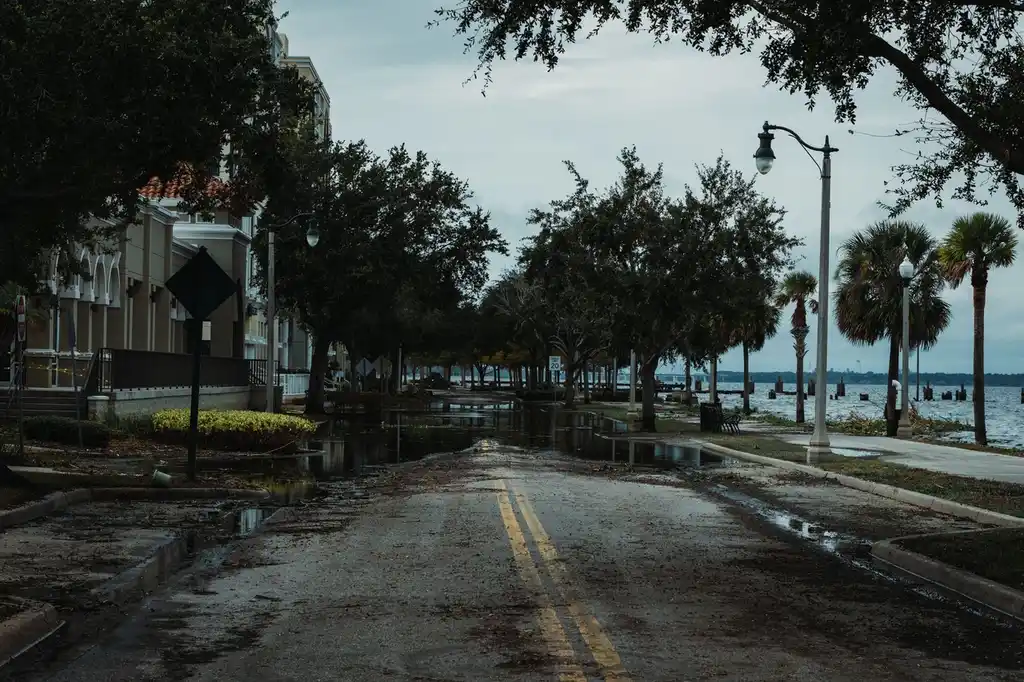
You return from vacation to find a slab leak has warped your hardwood floors.
We map the moisture with thermal imaging cameras, extract water from under the floor where possible, and set drying equipment. We coordinate with a plumber if the leak is active. We monitor moisture daily until the wood is dry.
Outcome: Some or all of the hardwood is saved, and you know exactly what needs repair versus what can be dried.
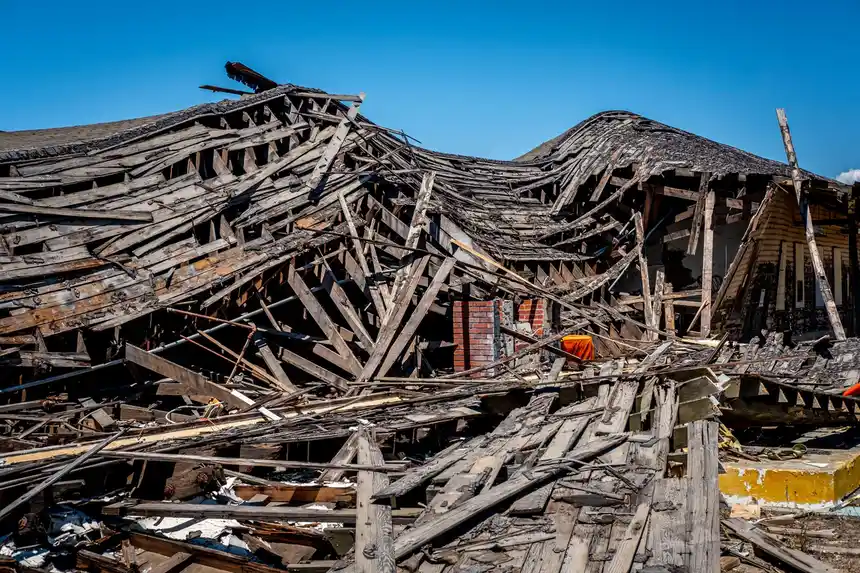
Arlington sits in Tarrant County where clay soil expands and contracts with the weather, stressing slabs and pipes. Summer storm cells can drop two inches of rain in an hour, pushing water into homes through doors, windows, and foundation cracks. Winter freezes burst pipes in attics and exterior walls.
We see it all: slab leaks in Dalworthington Gardens, storm flooding near the Entertainment District, and crawl space moisture in older Southeast Arlington homes. Our crews know the building stock, from pier-and-beam houses to new construction in Viridian. When you need flood water removal in arlington, Texas, we bring the right equipment for your foundation type and document everything for your insurance claim.
We also handle flood water extraction and removal arlington for commercial properties, working after hours to minimize disruption.

Before: A supply line burst in the attic and sent water down through the ceiling and into two bedrooms. The carpet was soaked, ceiling drywall was sagging, and the homeowner had no idea where the water traveled.
After: We extracted 60 gallons of water, removed the sagging ceiling drywall, and dried the attic and bedroom framing. Moisture readings dropped from 28 percent to 11 percent in four days. The homeowner only had to replace the ceiling drywall, not the floors.
We recommended insulating the attic pipes and adding a water leak sensor near the water heater. The homeowner also scheduled a plumbing inspection to check for other weak points.
Before: A storm drain backed up into a ground-floor apartment, spreading category 3 water across the bathroom and hallway. The carpet and pad were contaminated, and the baseboards were soaked.
After: We dried the concrete and remaining framing to 12 percent moisture content in three days. The unit was ready to re-lease in four days.
We advised the property manager to have the main line jetted annually and to install a backflow preventer on the drain. That reduces the chance of another backup during heavy rain.
Before: Three inches of rain in one hour pushed water under the garage door and into the laundry room. The concrete was wet, the drywall was wicking water up six inches, and the homeowner was worried about mold.
After: We extracted the standing water, cut out the wet drywall at the six-inch line, and set air movers and dehumidifiers. Moisture readings in the wall cavity dropped from 24 percent to 10 percent in three days. The garage and laundry room were dry and ready for repair.
We suggested a garage door threshold seal and a French drain along the driveway edge. Both are inexpensive and keep storm water from reaching the door.
Water gets into Arlington homes in predictable ways. Here are the most common problems we see and how we solve them.
A dry structure, documented readings, and no mold.
Mold can begin colonizing wet drywall and insulation within 24 to 48 hours. We apply antimicrobial solutions and mold inhibitors during extraction, then dry the cavity below 16 percent moisture content. That is the difference between a cleanup and a full rebuild.
Hardwood floor cupping and warped baseboards happen when water sits too long. Our flood water extraction arlington crew uses floor mats and drying systems that pull moisture out of wood planks without tearing them up. We have saved thousands of square feet of oak and engineered flooring this way.
We photograph affected areas, log moisture readings daily, and write scopes in Xactimate so your adjuster sees exactly what happened. Most homeowner policies in Texas cover sudden water damage. We work with your carrier from the first call to the final drying report.
Most residential flood water removal jobs are dry in three to five days. We set equipment, check it daily, and tell you exactly when the floors are safe to walk on and the air is safe to breathe. No guesswork, no lingering damp smell.
Clear records you can keep and share.
A diagram of wet areas and readings
Moisture readings recorded each visit
Before and after photos of affected areas
Final readings and confirmation of dry standard
Not all flood water is the same. The category determines what we can dry and what must be removed.
Clean water from a supply line or rain
Gray water from appliances or toilets
Black water from sewage or storms
A list like this tells people straight away whether you cover their street. Not listed? Call and ask: it only takes a minute.
Based in arlington and covering the places around it. Pick one for local details.
We give you a written scope before work begins so there are no surprises.
Call us and we will dispatch a crew with truck-mounted extractors and drying equipment.
Most homeowner policies in Texas cover sudden and accidental water damage, like a burst pipe or appliance failure. Storm flooding and surface water may require a separate flood policy through NFIP. We document everything with photos and moisture readings and write scopes in Xactimate to support your claim.
Extraction usually takes two to four hours for a typical home. Drying the structure takes two to five days, depending on materials and how much water was absorbed. We check moisture readings daily and do not pull equipment until the dry standard is met. You get a final report showing the numbers.
Other services from the same team.
Call now and we will dispatch a crew with extraction and drying equipment.
Call us any time and describe what happened. We ask a few questions about the water source and how long it has been running, then get a crew headed your way. If you prefer email, send photos of the damage and we will follow up with next steps.