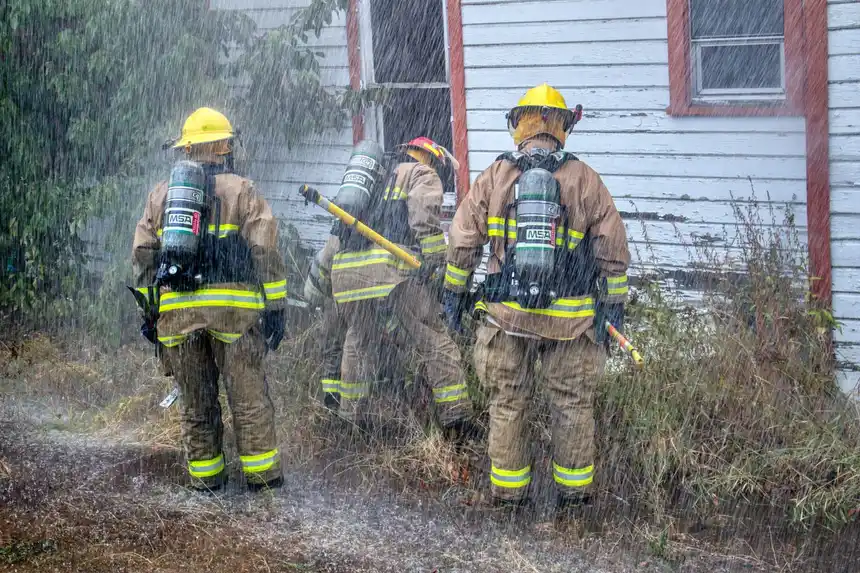
For Homes
We dry houses, apartments, and rentals across Arlington. You get daily updates and a drying log for your records.
- Burst pipe in a wall
- Water heater leak
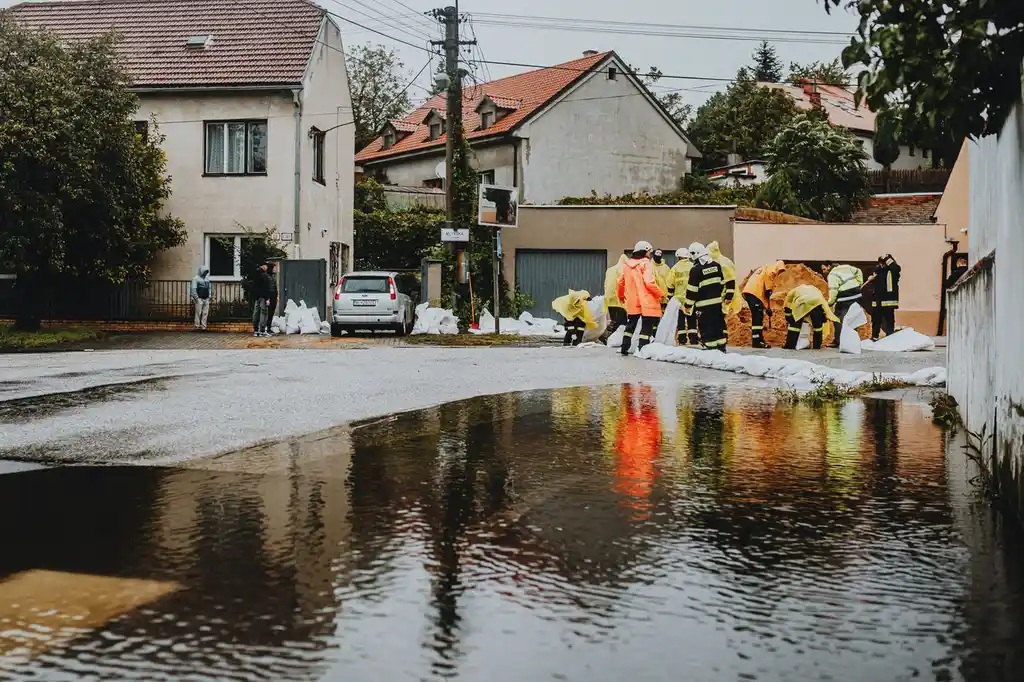
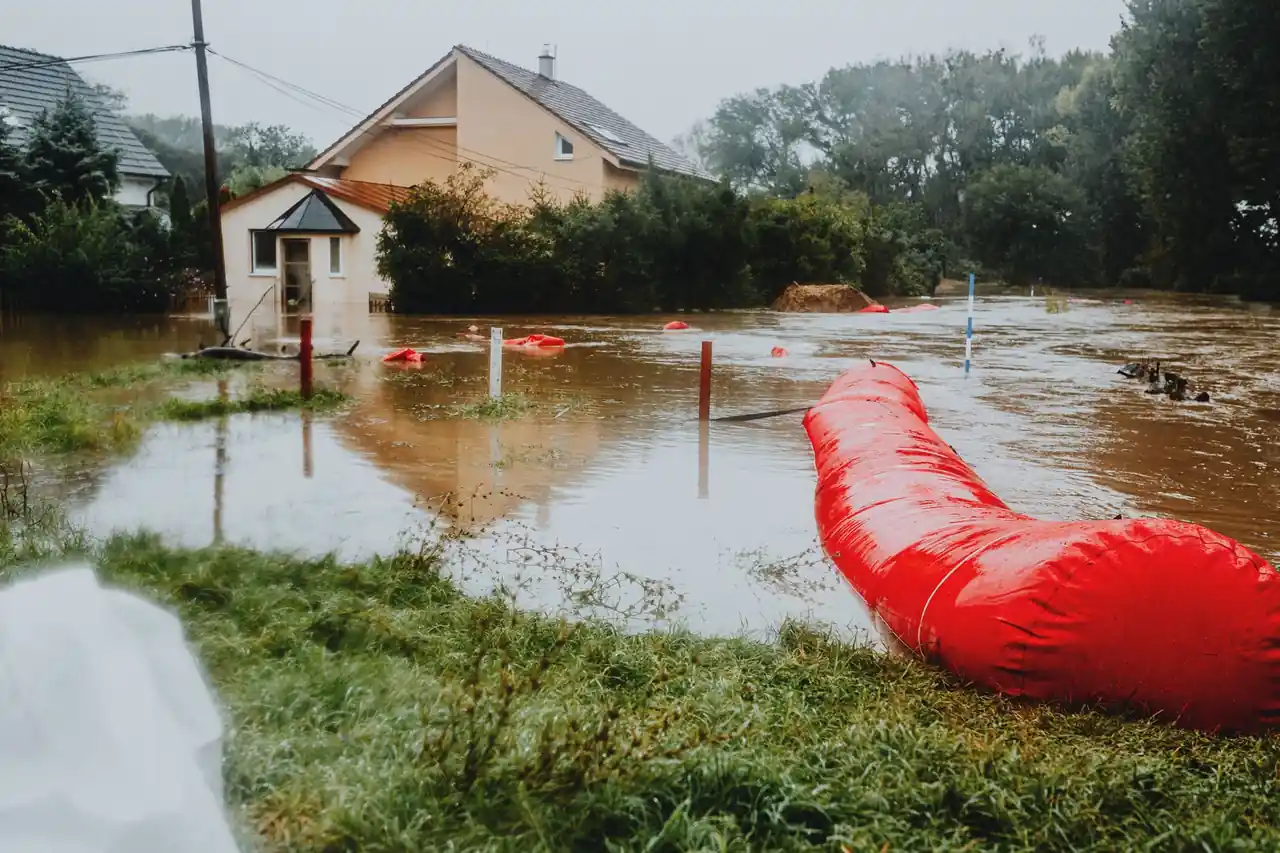
- Storm water in garage
When a pipe bursts or a storm pushes water under your door, water damage drying Arlington TX is the step that stops a bad day from becoming a mold problem. We handle homes, rentals, and commercial spaces across Arlington, Texas. Our technicians extract standing water, set drying equipment, and check moisture readings daily until your structure is dry. Call and we will walk you through what happens next.
 Moisture mappingDaily readingsEquipment sized right
Every drying job includes the core steps that get your structure dry and documented. Some jobs need extra work like mold remediation or repairs, and we will tell you upfront if that applies to your Arlington property.
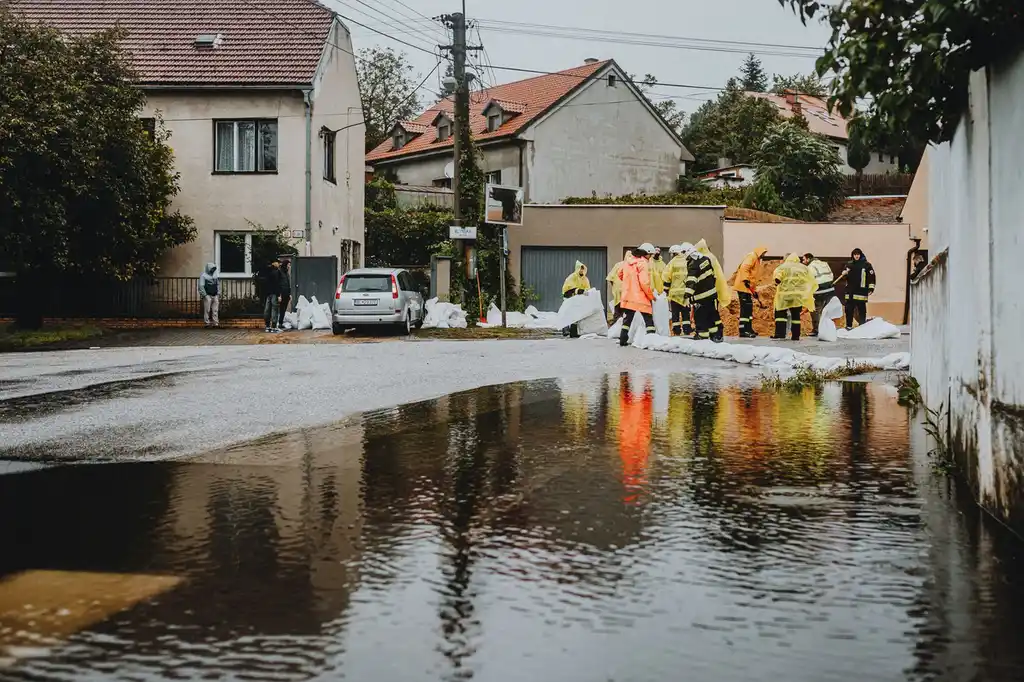
We walk the space with moisture meters and a thermal imaging camera to find where water traveled. You get a map of wet areas and a clear scope before equipment is placed. This step takes 30 to 60 minutes and sets the plan for drying.
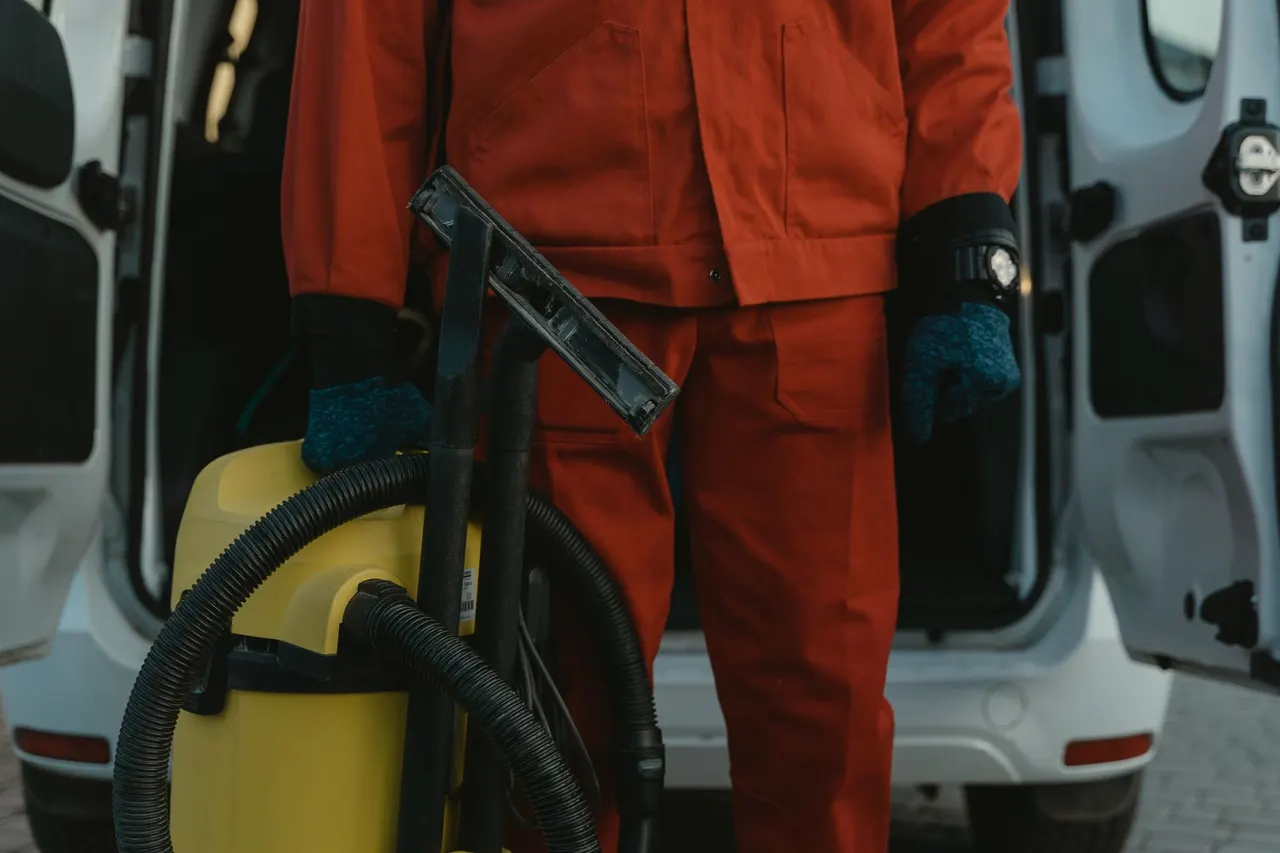
Standing water gets removed with truck-mounted or portable extractors. Wet vacuums handle smaller pools, and absorbent pads catch what remains. For contaminated water, we remove affected materials and apply disinfectants before drying starts.
We place air movers and dehumidifiers based on the moisture map. Equipment is sized to the space and material type. Desiccants may be used in tight or cool areas. Plastic sheeting can isolate wet zones so dry rooms stay dry.
We return each day to check moisture readings, adjust equipment, and log progress. You see the numbers and know when drying is on track. If readings stall, we change the setup. The log also supports your insurance claim.
Where conditions favor mold growth, we apply antimicrobial solutions to wet materials. This is not a replacement for drying, but it adds protection while the structure dries. We note what was applied and where in your documentation.
When readings meet dry standards, we remove equipment and do a final walk-through. We show you the drying log and note any repairs needed, like drywall patching or paint. You get a dry structure and a record of the work.
The approach is the same for a home and a business. What changes is the access, the schedule and who needs the paperwork.
We dry houses, apartments, and rentals across Arlington. You get daily updates and a drying log for your records.
We dry offices, retail, and restaurants with minimal disruption. After-hours scheduling is available when the space needs to stay open.
A plain-language look at what Water Damage Drying involves and when it is needed.
See how it worksWater damage drying Arlington TX is the controlled removal of moisture from building materials after a leak, flood, or spill. It is not just running fans. We extract standing water with truck-mounted extractors or portable units, then place air movers and dehumidifiers to pull moisture out of drywall, insulation, hardwood, and carpet. Moisture meters and thermal imaging cameras show us where water traveled behind walls. Hygrometers track the air so we know when the structure is actually dry, not just dry to the touch.
Most Arlington calls we run start with a slab leak, a burst pipe, or a water heater that let go overnight. In Tarrant County, clay soil shifts with wet and dry cycles, and that movement stresses underground lines. Summer storms drop two inches in an hour and push water into garages and low rooms. If you are searching for water damage drying near me Arlington TX, the goal is the same: stop the moisture, dry the structure, and document everything for your insurance claim.
Drying the structure correctly the first time prevents mold and saves materials.
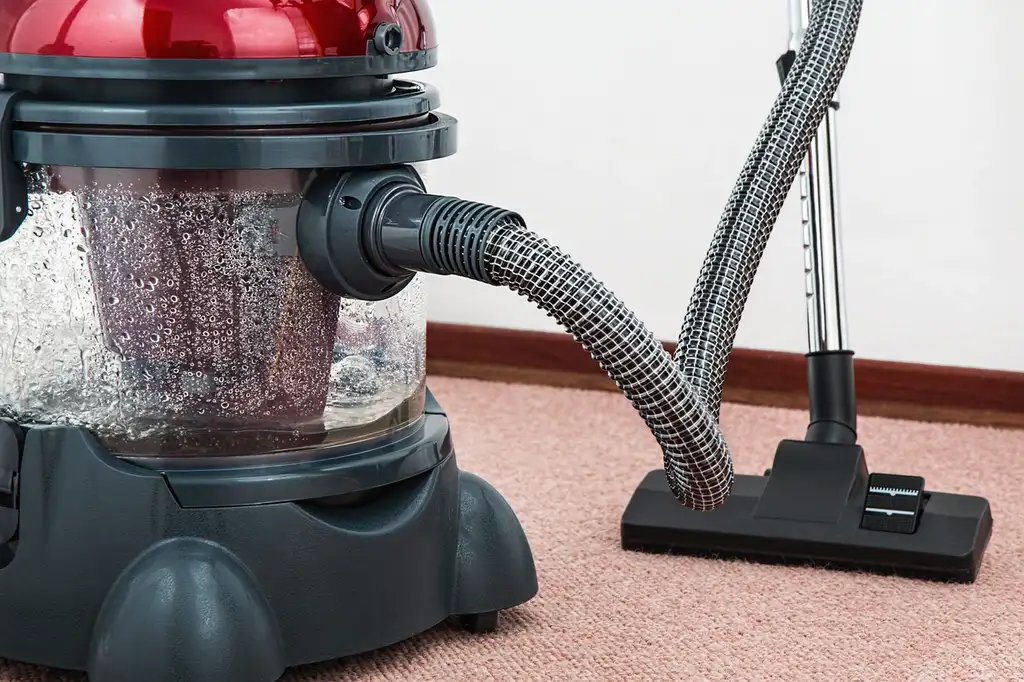
Every job follows the same basic path. Here is what happens from the first call to the final moisture check.
You call, we ask what happened and where the water is coming from. We tell you how to shut off the water if it is still running and whether to stay out of a room. We schedule a same-day visit for most Arlington calls and give you an arrival window. If it is a sewage backup or flood water, we treat it as contaminated and explain the extra steps before we arrive.
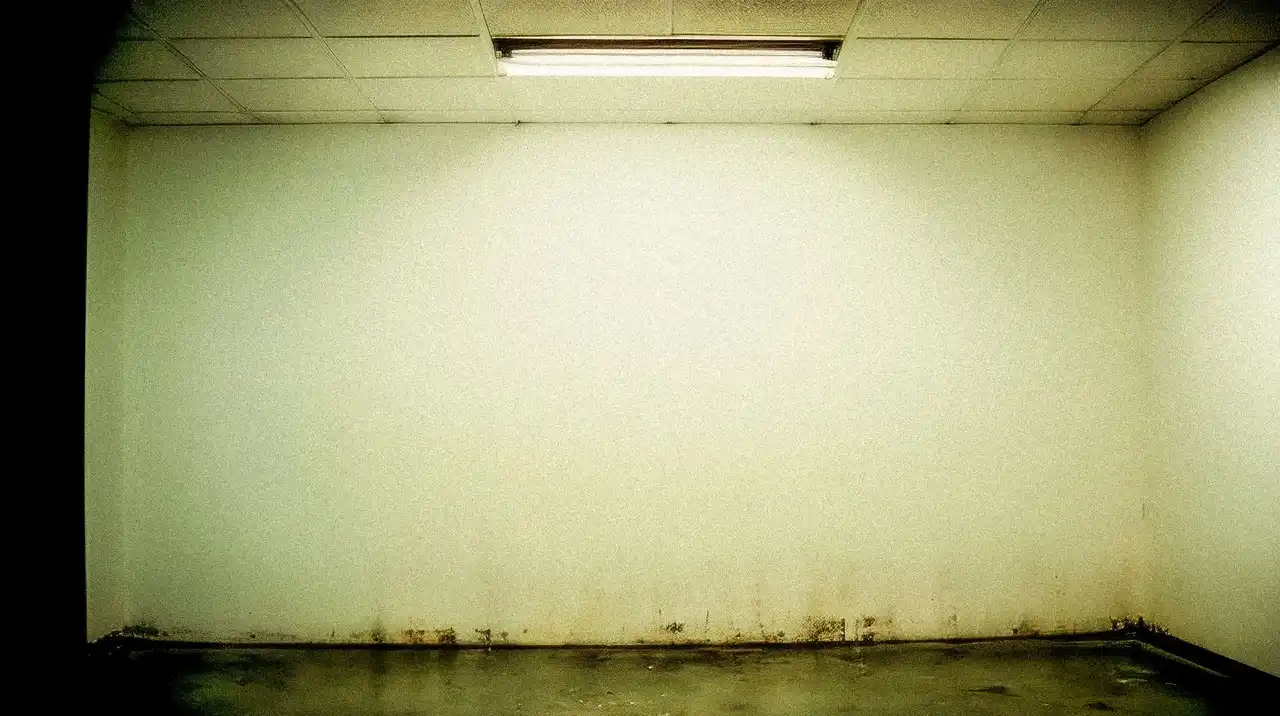
A technician walks the space with moisture meters and a thermal imaging camera. We check walls, floors, ceilings, and baseboards to find where water traveled. We map the wet areas and note the materials affected. You get a clear picture of the scope before any equipment gets placed. This step usually takes 30 to 60 minutes depending on the size of the space.
We remove standing water with truck-mounted extractors or portable units. Wet vacuums handle smaller pools and carpet. Absorbent pads go down in high-traffic areas to catch what the extractor leaves behind. For sewage or flood water, we remove contaminated materials and apply disinfectants before drying starts. Extraction typically takes one to three hours for a residential job.
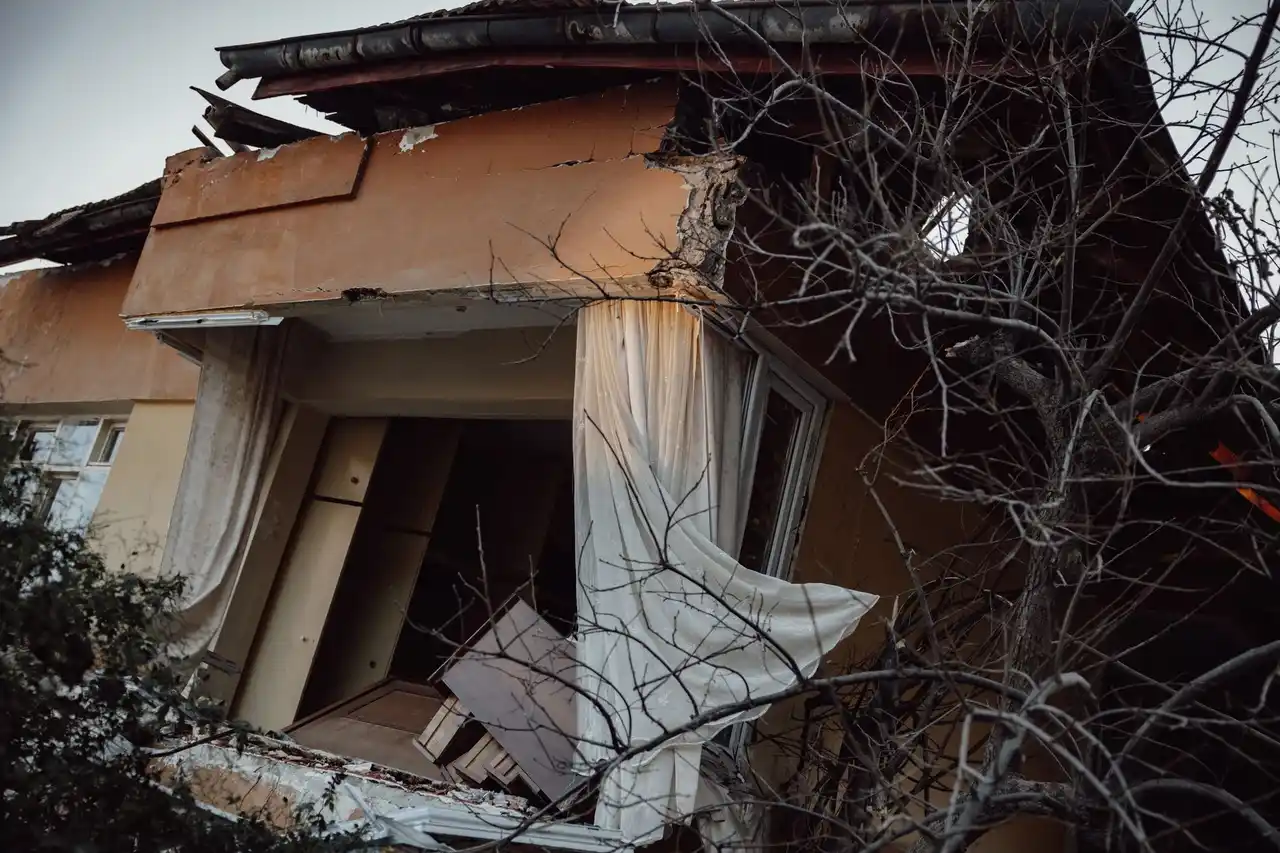
We place air movers and dehumidifiers based on the moisture map. Desiccants may be used in tight or cool spaces. Plastic sheeting can isolate wet zones so dry rooms stay dry. Each day we return to check readings, adjust equipment, and log progress. Most Arlington homes dry in three to five days. Hardwood, plaster, and thick subfloors can take longer.
When moisture readings match dry standards for the material type, we remove equipment and do a final walk-through. We show you the drying log and note any areas that need repair, like drywall patching or paint. If your insurance company needs documentation, we provide it. You get a dry structure and a record of what was done.
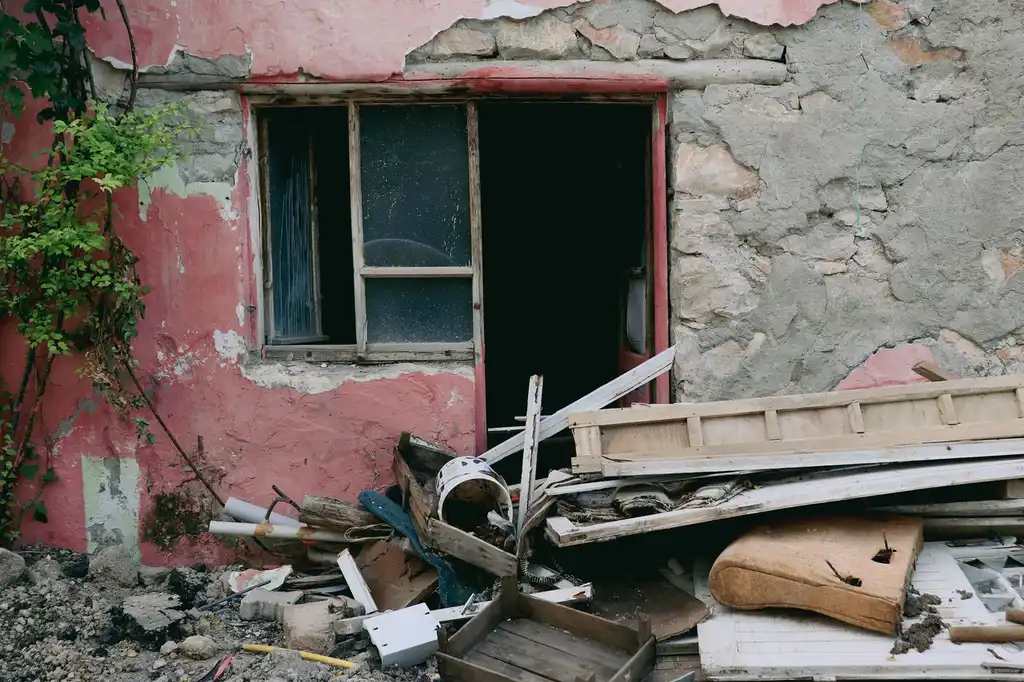
Move across a circle, or focus it and press Enter, for an illustrative thermal view of the photograph.
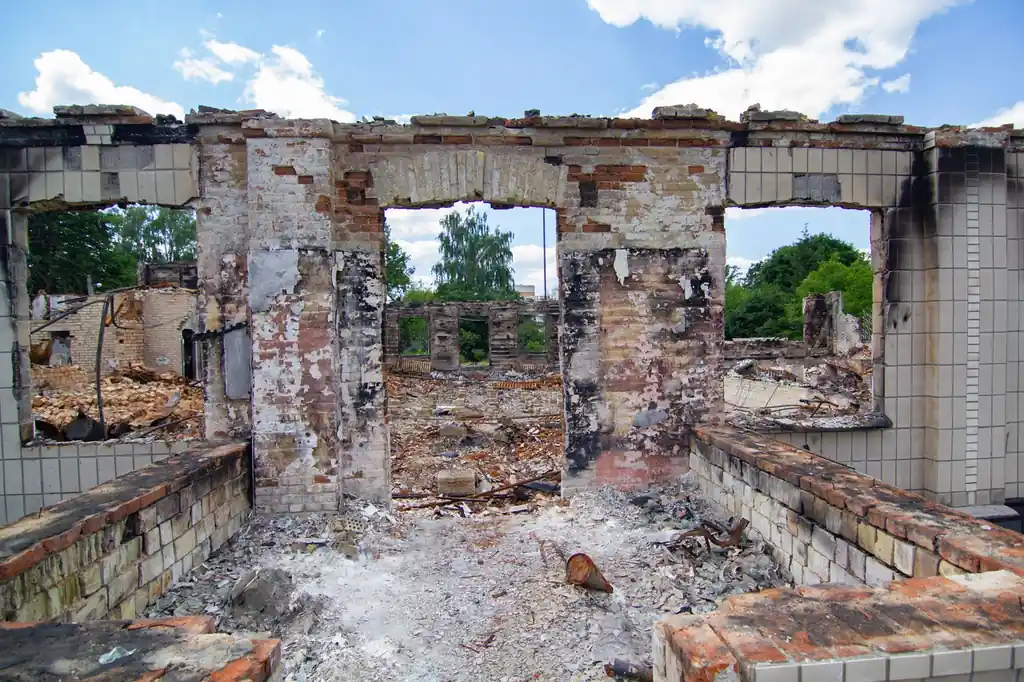
Pull large volumes of standing water fast from carpet, hardwood, and concrete. Used on most Arlington residential and commercial jobs.
Reach tight spaces like closets, crawl spaces, and upper floors where a truck mount cannot go.
Create directed airflow across wet surfaces to speed evaporation. Placed based on the moisture map, not randomly.
Pull moisture out of the air so wet materials can release water. Sized to the space and monitored daily.
Measure moisture in materials and humidity in the air. These readings tell us when the structure is dry.
Thermal views are illustrative, generated from the photographs.
Find hidden water behind walls and under floors without cutting into materials.
Brands we use for air movers, dehumidifiers, and drying mats. Reliable equipment that holds up on daily jobs.
We follow the IICRC S500 standard for water damage restoration, which sets the drying goals and documentation requirements. This is the industry benchmark adjusters recognize.
We map wet areas with meters and thermal imaging before placing equipment. The map guides equipment placement and tells us when drying is complete.
We log moisture readings every day and adjust equipment as needed. The log shows drying progress and supports your insurance claim.
Hardwood needs gradual drying to avoid new damage. We use drying mats and humidity control to pull moisture out without causing cupping or cracking.
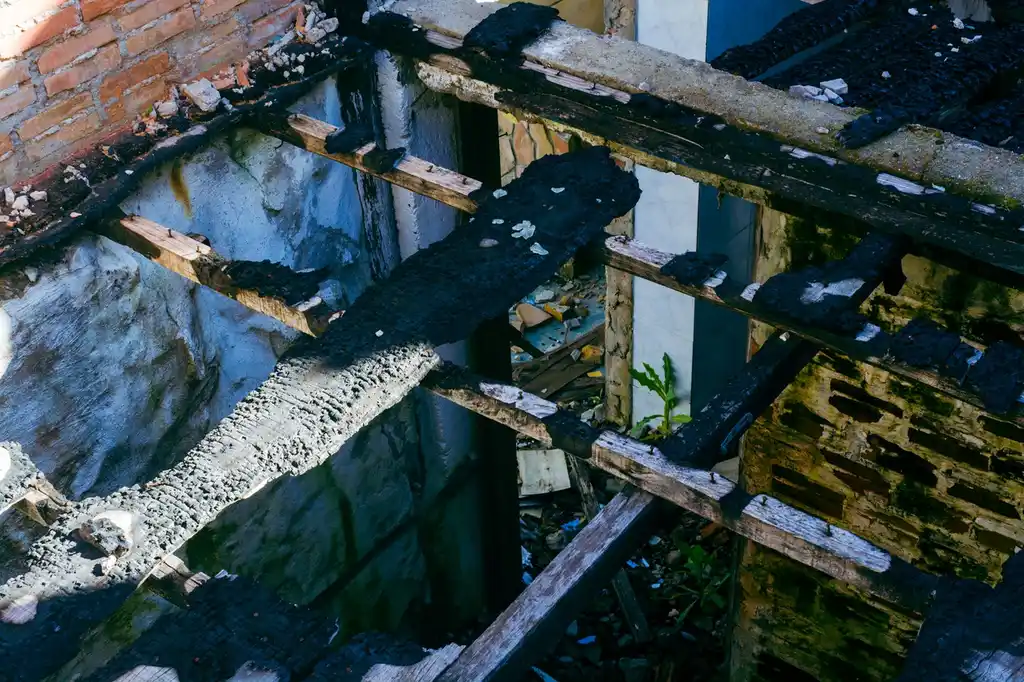
A water heater fails in a North Arlington home on a Friday night, soaking the garage and hallway.
We extract the water, remove wet drywall and insulation, and set air movers and a dehumidifier. The garage concrete and hallway walls dry over the weekend. We check readings daily and pull equipment when dry.
Outcome: The homeowner avoids mold and only replaces a small section of drywall. The drying log supports their insurance claim.
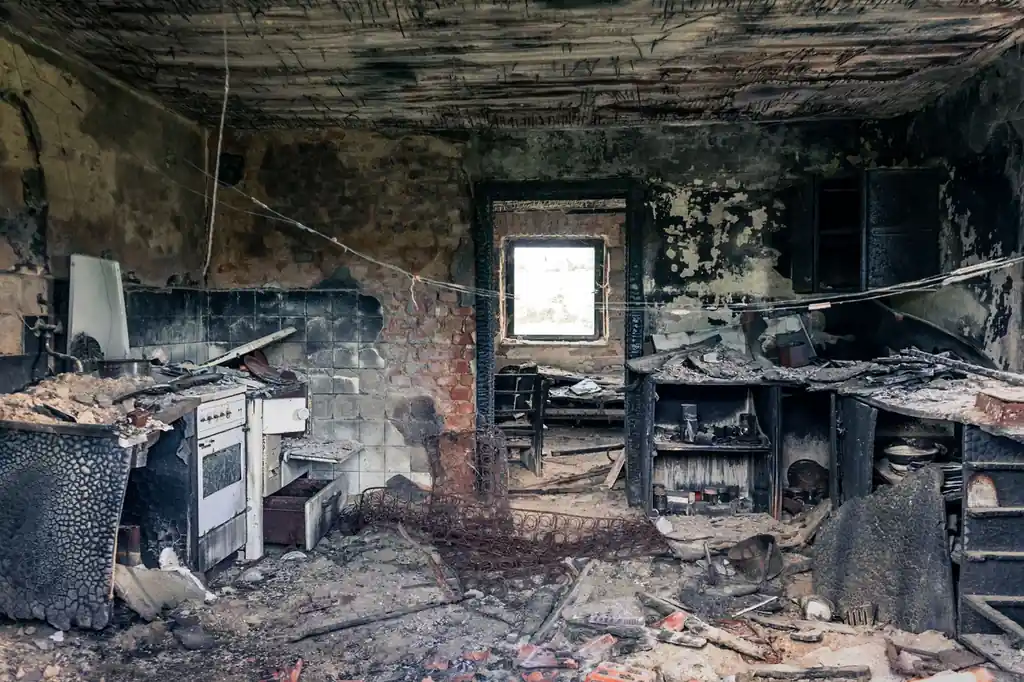
A storm drops three inches of rain in an hour and water pushes under the door of an Entertainment District retail space.
We remove storm water, dispose of contaminated materials, apply disinfectants, and dry the commercial floor. We work after hours to avoid blocking the sales floor.
Outcome: The store reopens the next morning with dry floors and documented cleanup for the property manager.
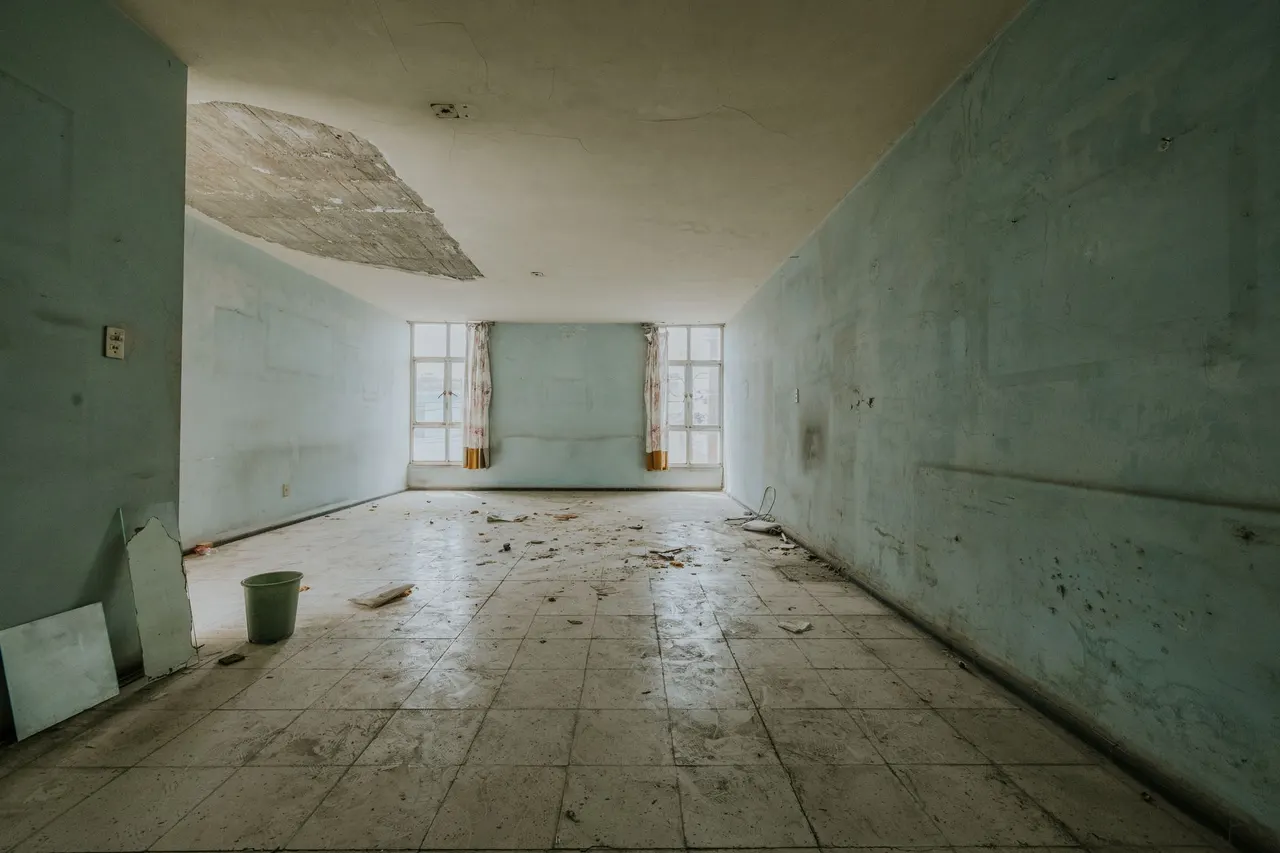
A slab leak in a Pantego home soaks the carpet in two bedrooms and the hallway.
We locate the wet areas with thermal imaging, extract water from carpet and pad, and dry the slab and walls. The plumber fixes the leak while we dry.
Outcome: The carpet and pad are saved, the slab is dry, and the homeowner avoids a full flooring replacement.
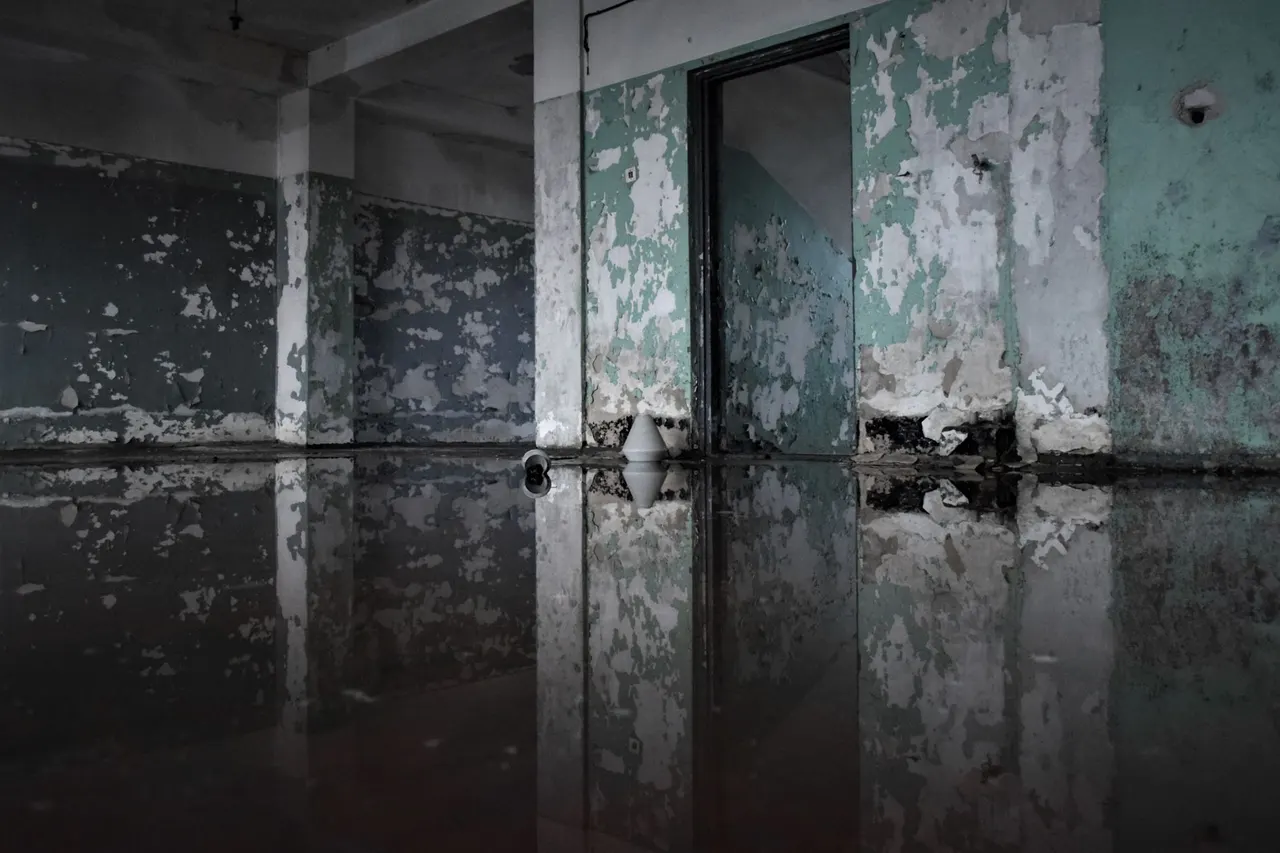
A sewage backup in a Southeast Arlington laundry room spreads into the hallway.
We remove contaminated materials, disinfect the space, and dry the structure. We document everything for insurance and explain what can be saved.
Outcome: The home is safe and dry, and the homeowner has a clear record for their claim.
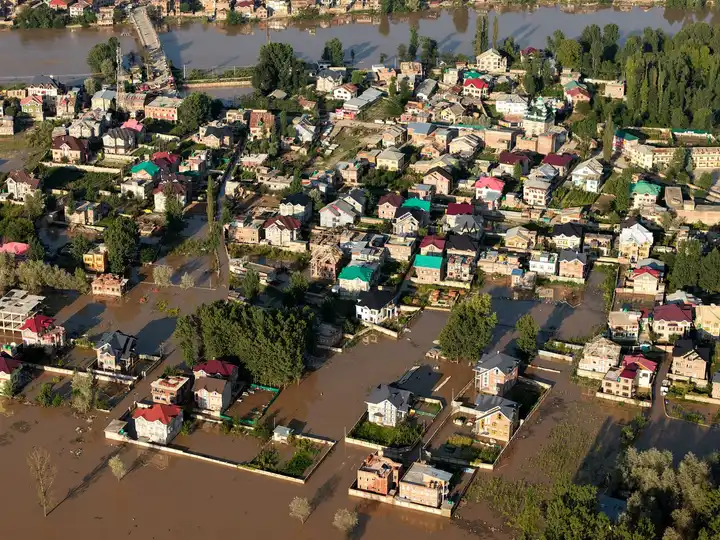
A commercial office in Downtown Arlington has a supply line break above the ceiling, staining tiles and soaking insulation.
We extract water, remove wet ceiling tiles and insulation, and dry the ceiling cavity with directed airflow. We work around business hours to reduce disruption.
Outcome: The ceiling cavity is dry, the office reopens without mold, and the property manager has documentation for the carrier.
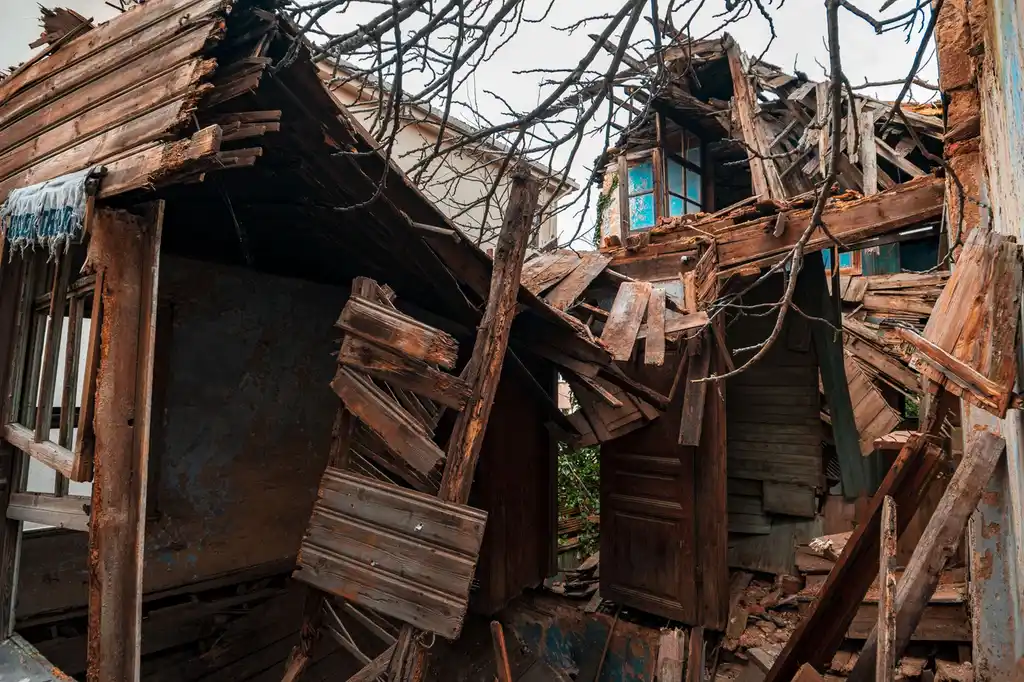
Arlington sits in Tarrant County, where clay soil shifts with wet and dry cycles. That movement stresses underground pipes and causes slab leaks. Summer storms drop heavy rain fast, pushing water into garages and low rooms. Winter freezes can burst pipes in attics and exterior walls. We see all of it. Our drying approach accounts for Arlington's humidity, which slows evaporation in spring and fall.
We size dehumidifiers larger when the air is already wet. For older homes near Downtown Arlington, we check for lead paint before cutting into walls. For newer builds in Viridian and Southwest Arlington, we watch for tight construction that traps moisture. If you need water damage drying and restoration Arlington Texas, we know the local conditions that affect how fast your structure dries.

Before: A supply line broke overnight and flooded a hallway, two bedrooms, and a closet. Carpet and pad were soaked, and water had wicked up the drywall six inches. The homeowner found it the next morning.
After: We extracted the water, removed wet pad and baseboard, and set air movers and a dehumidifier. Daily readings showed the walls and subfloor drying. Five days later, moisture levels were dry. The homeowner replaced pad and baseboard only.
Keep an eye on supply lines under sinks and behind appliances. Replace older flexible lines every five to seven years. Check for small drips monthly.
Before: Three inches of rain in an hour pushed water under the garage door and into a utility room. Concrete was wet, and drywall on the shared wall was soaked up to 12 inches. Storm water carried debris and dirt.
After: We removed storm water, disposed of contaminated drywall, applied disinfectant, and dried the concrete and framing. Readings were dry in four days. The homeowner replaced a small section of drywall and repainted.
Check garage door seals each spring. Keep gutters clear so water runs away from the foundation. If your driveway slopes toward the garage, consider a channel drain.
Before: A root-blocked sewer line backed up into a laundry room and spread into a hallway. The floor was covered in category 3 water. Contaminated materials included vinyl flooring and lower drywall.
After: We removed contaminated materials, disinfected the space, and dried the framing and subfloor. Readings were dry in three days. The homeowner replaced flooring and drywall and had the sewer line cleared.
Have your sewer line inspected every two years if you have mature trees. Avoid pouring grease down drains. If you notice slow drains, call a plumber before it backs up.
Water damage shows up in different ways. Here are the problems we see most in Arlington and how we handle them.
A dry structure, documented for insurance, without mold.
Mold can start growing on wet drywall and insulation within 24 to 48 hours. We extract water fast, then run dehumidifiers and air movers to drop moisture levels before mold gets a foothold. Our technicians apply antimicrobial solutions where needed and check readings daily. That is how professional water damage drying Arlington keeps a small leak from turning into a remediation project.
A single wet room needs different equipment than a flooded commercial floor. We calculate how many air movers and dehumidifiers your space requires based on square footage, material type, and how deep the water went. Truck-mounted extractors handle large volumes; portable extractors reach tight spaces like closets and crawl spaces. You get the right tools, not a one-size-fits-all setup.
We do not set equipment and disappear. Each day we check moisture meters and hygrometers, log readings, and adjust equipment placement. You get a drying log that shows the progress. If your insurance adjuster needs proof of the work, the documentation is ready. That record also tells us exactly when the structure is dry so we can pull equipment without guessing.
Hardwood floors cup, drywall sags, and ceiling stains spread when moisture sits too long. We use thermal imaging cameras to find hidden water, then dry wall cavities and subfloors with directed airflow. For hardwood and carpet, we use specialty drying mats and controlled humidity to reduce the chance of permanent damage. The goal is to save materials, not replace them.
Clear records you can keep and share.
Daily moisture readings and progress notes.
Images of affected areas before and after.
Diagram of wet areas and equipment placement.
Summary of work performed and materials removed.
The type of water determines what can be saved and how we dry.
Clean water from a supply line.
Grey water with some contamination.
Black water from sewage or flood.
A list like this tells people straight away whether you cover their street. Not listed? Call and ask: it only takes a minute.
Based in arlington and covering the places around it. Pick one for local details.
Most Arlington homes dry in three to five days. A small area with carpet and pad may dry in two to three days. Hardwood floors, plaster walls, and thick subfloors can take five to seven days or more. We check moisture readings daily and do not pull equipment until the structure meets dry standards. The drying log shows exactly how long your job took.
Sewage backups and commercial jobs cost more. Most homeowners pay through insurance after their deductible. We provide a written estimate before work starts so you know the number.
Yes. We dry homes across Arlington, including slab leaks, burst pipes, appliance leaks, and storm water intrusion. We extract standing water, set air movers and dehumidifiers, and monitor moisture daily. If materials like drywall or insulation are too damaged to save, we remove them and dry the structure behind. You get a dry home and a record of the work.
Most people stay home during drying. Air movers and dehumidifiers are loud, so sleeping in the affected area is uncomfortable. If the water was contaminated, like a sewage backup, we may recommend staying out of that room until it is cleaned and dry. We tell you what to expect on the first visit so you can plan.
Other services from the same team.
Water spreads fast. We respond same-day for most Arlington calls, extract the water, and start drying before mold has a chance. Call now and we will tell you what to do while you wait.
Call us any time and describe what happened. We ask a few questions about the water source and how long it has been running, then get a crew headed your way. If you prefer email, send photos of the damage and we will follow up with next steps.