Readings shared after each visit
After every visit you get a short written summary of what was found, what was done and what happens next. Move over the photo for an illustrative thermal view.
When a pipe bursts or a storm floods your floor, water damage restoration arlington TX crews from our team arrive with truck-mounted extractors and thermal imaging cameras. We extract standing water, dry the structure, and document everything for your insurance claim. Serving Tarrant County with same-day response.
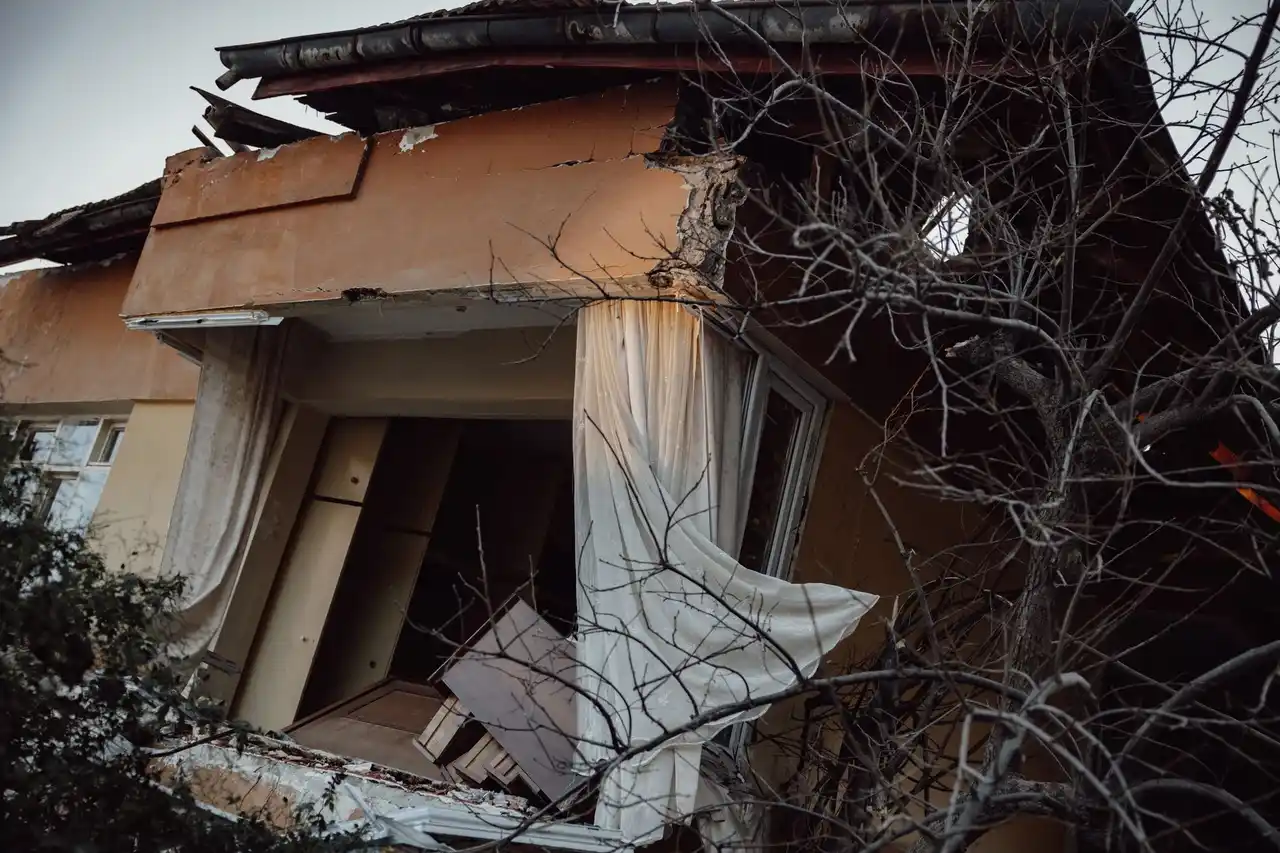
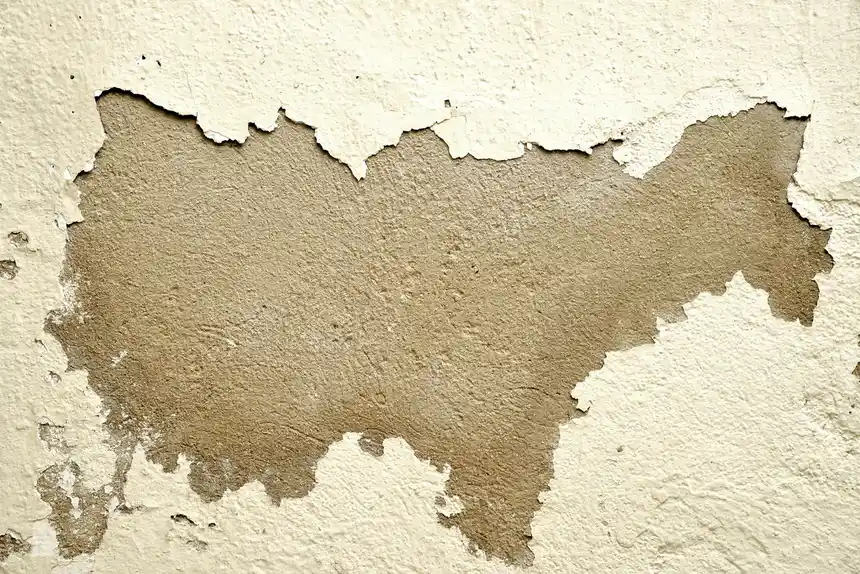
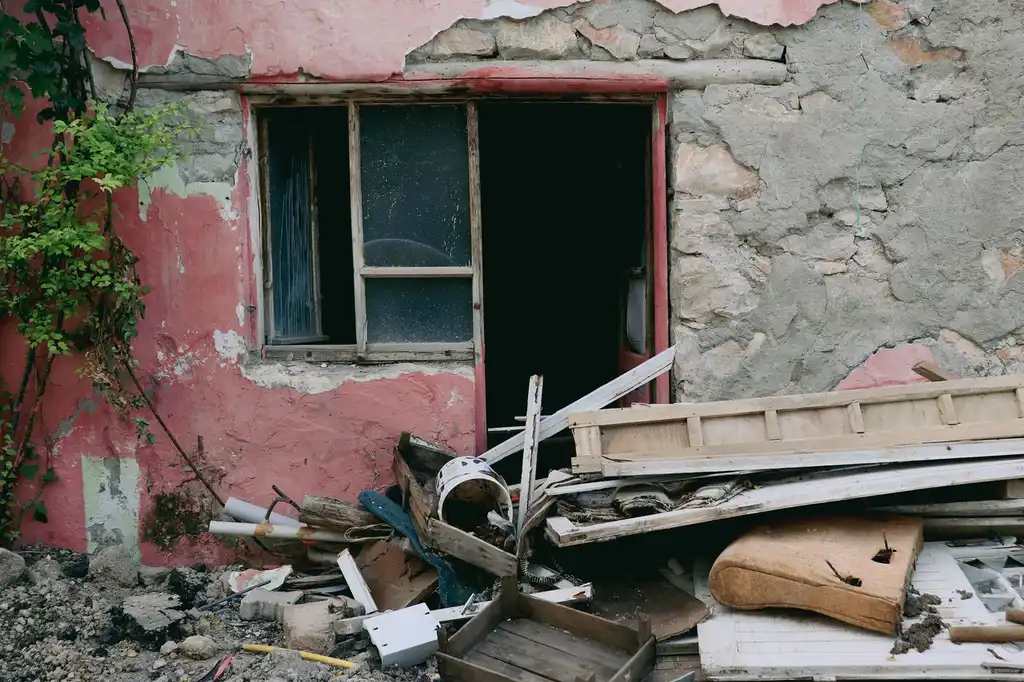
 Wet drywall behind the baseboardMoisture reading worth a second lookStain that points to a slow leak
We shut off the water if it is still running, then trace the moisture with meters and a thermal camera. Wet materials get extracted and dried with equipment sized to the room. We check readings each day until the structure is dry.
Water Damage Restoration Experts handles water damage restoration in arlington, Texas for homes and businesses across Tarrant County. We pull standing water, dry wet drywall and insulation, and stop mold before it starts. Our IICRC-trained technicians carry moisture meters, hygrometers, and air movers on every truck, so we measure the problem instead of guessing at it.
What sets us apart is how we work the job. We use thermal imaging cameras to find hidden moisture behind walls, then set drying equipment with documented daily readings. If you search for water damage restoration arlington TX near me after a slab leak or sewage backup, we show up with the right tools and a written scope. We serve Interlochen, Viridian, Pantego, and Dalworthington Gardens regularly.
From a burst pipe at 2 a.m. to a flooded basement after a spring storm, our water damage cleanup arlington crews handle the whole job. We extract, dry, dehumidify, and rebuild what the water ruined.
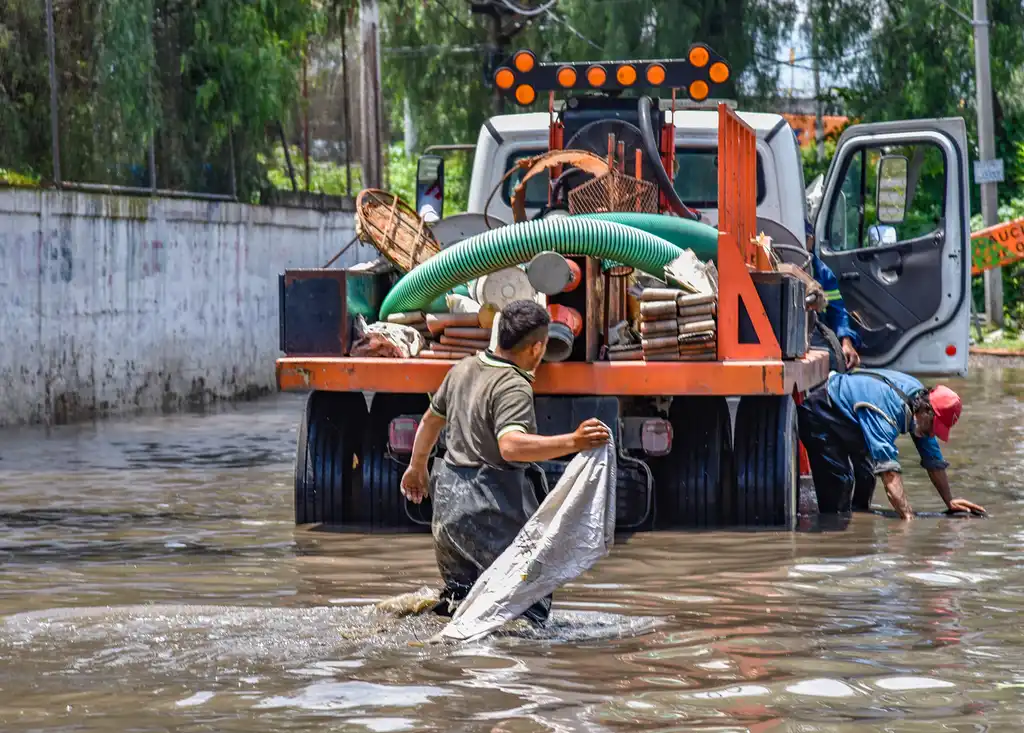
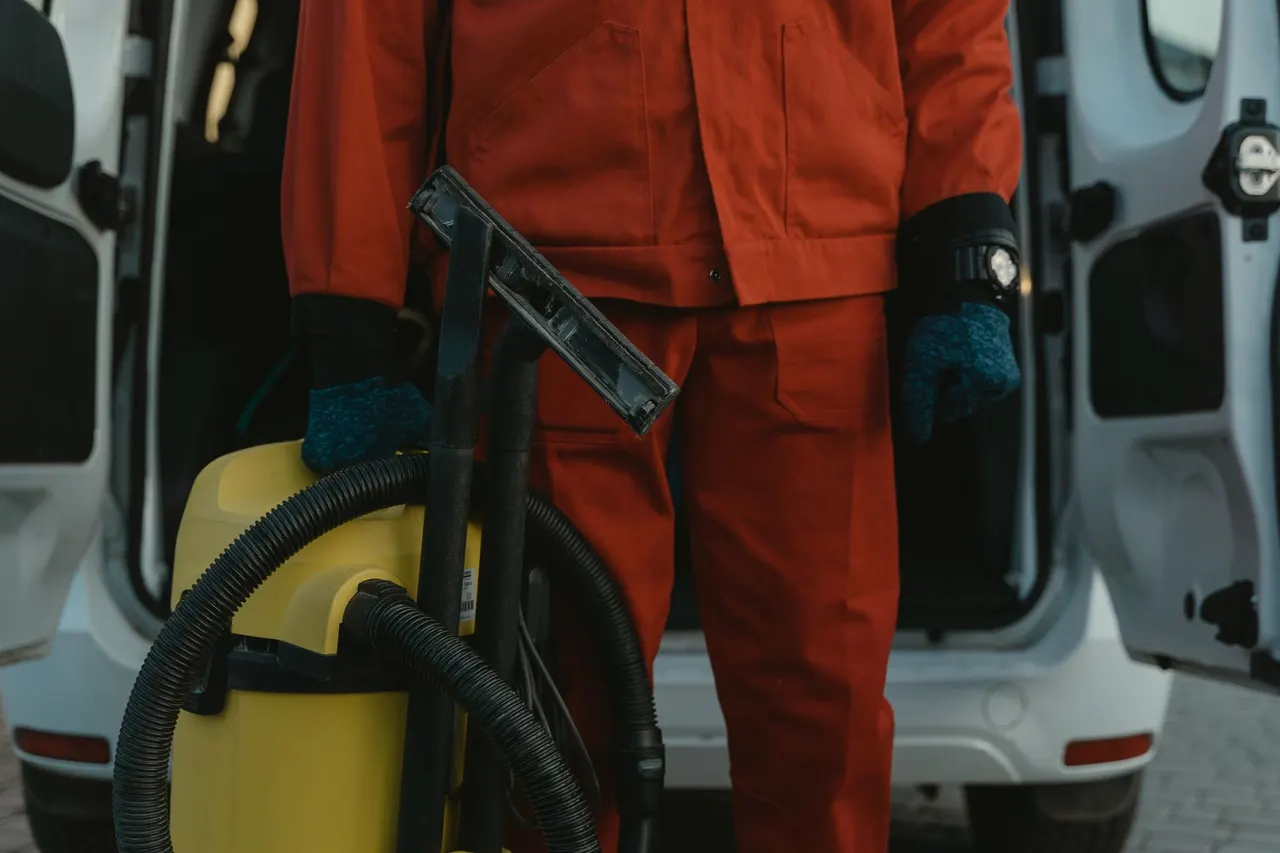
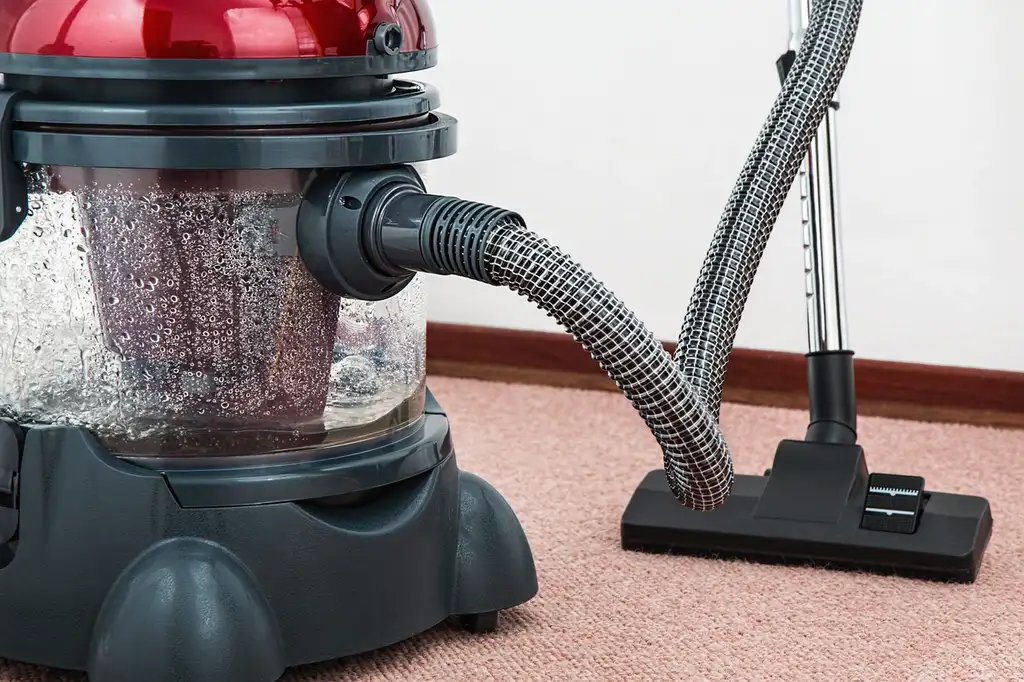
Truck-mounted extractors pull hundreds of gallons fast when a pipe bursts or an appliance line fails. We arrive with portable extractors for tight spaces and wet vacuums for carpet edges.
Standing water damages flooring, baseboards, and framing within hours. We remove it with truck-mounted units, then check subfloors with moisture meters.
Flood water carries silt, bacteria, and sometimes sewage, so it needs more than a shop vac.
After the water is gone, cleanup means removing ruined drywall, insulation, and absorbent pads, then disinfecting the space. We document each step with photos for your insurance claim.
Basements flood from failed sump pumps, foundation cracks, and heavy rain. We extract the water, dry the concrete, and check for crawl space moisture feeding the problem.
Crawl spaces trap moisture and grow mold fast because air barely moves down there.
We ask about the water source, how long it has been running, and whether it smells like sewage.
Request ServiceWater damage gets worse by the hour. We built our process around speed, measurement, and documentation, so you get a dry structure and a claim that holds up. Here is what that looks like in practice.
After every visit you get a short written summary of what was found, what was done and what happens next. Move over the photo for an illustrative thermal view.
We lift and block what we can save, and tell you plainly what cannot stay in a wet room.
We show you where each air mover and dehumidifier goes and why it is placed there.
Call or write and describe what happened. We ask a few questions and explain what comes next.
+18177614255We photograph wet materials before removal so you have a record for your claim.
You call, we show up, and we walk the job with you before anything gets moved. From there it is a straight sequence: stop the water, extract it, dry the structure, and document everything.
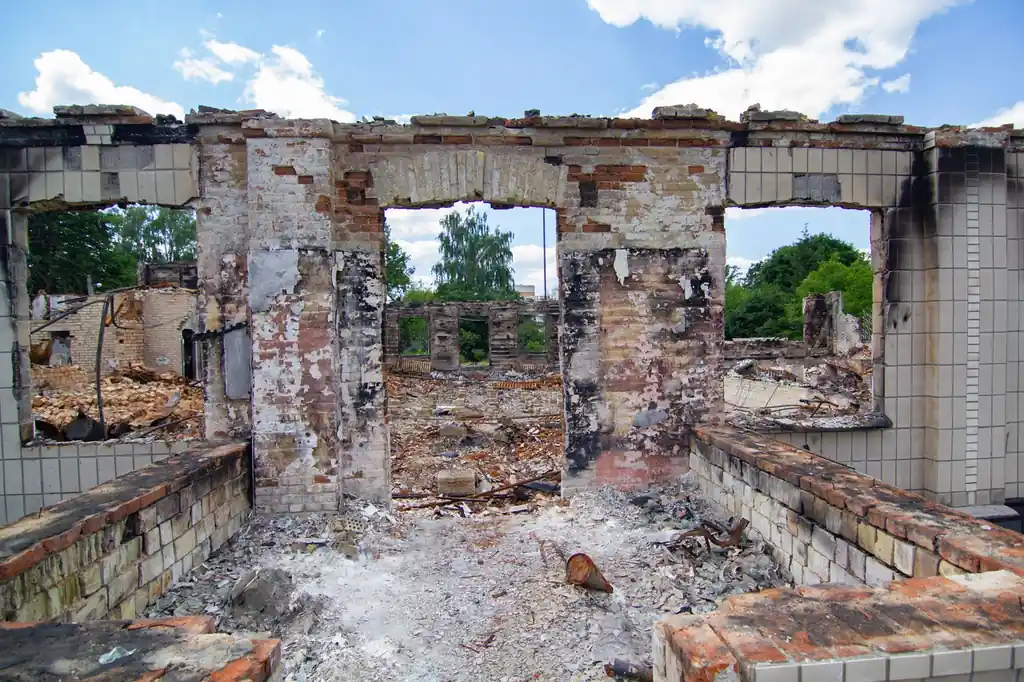
You call and describe what happened. We ask about the water source, how long it has been running, and whether it smells like sewage. That tells us what equipment to load before we leave.
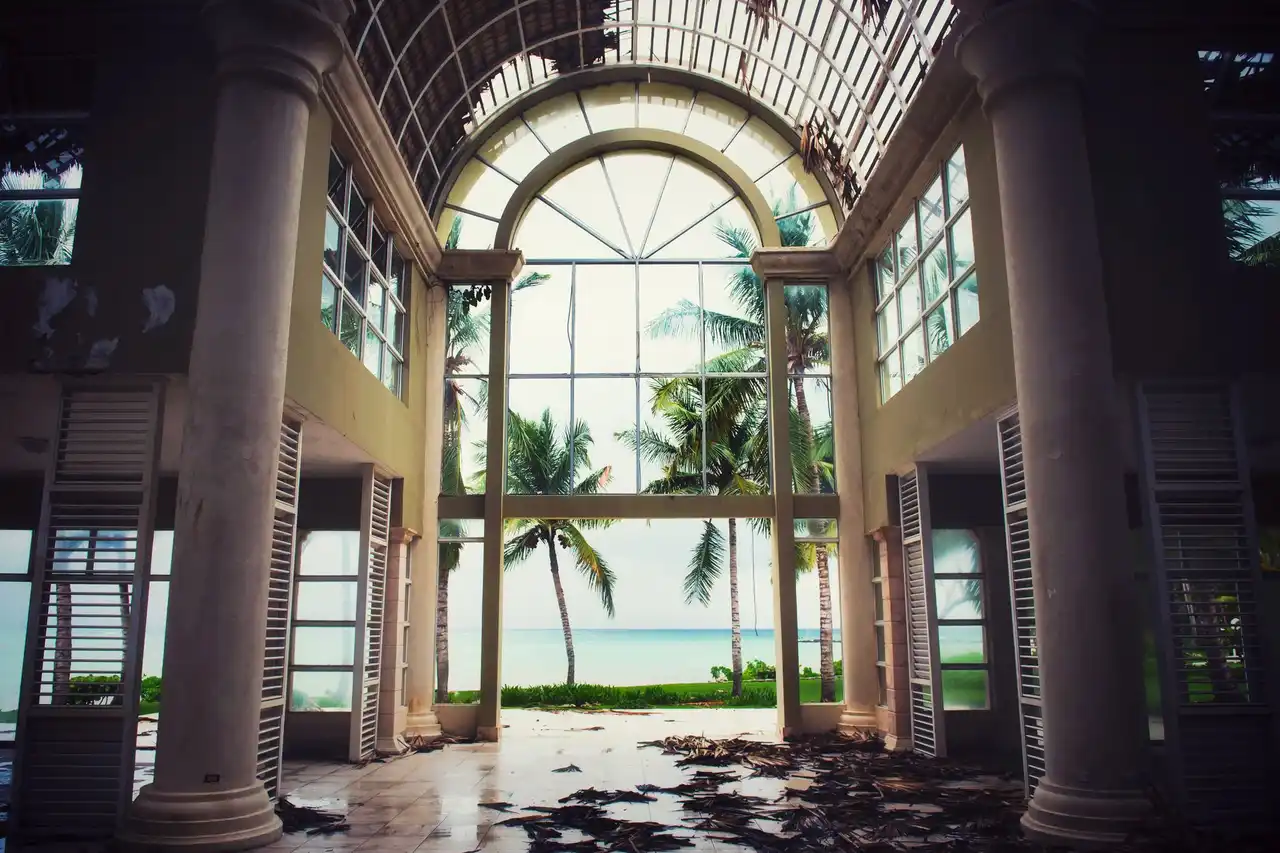
On site, we trace the water with moisture meters and thermal imaging cameras. You see the readings and the plan before we start. If there is a slab leak or burst pipe, we tell you what needs a plumber first.
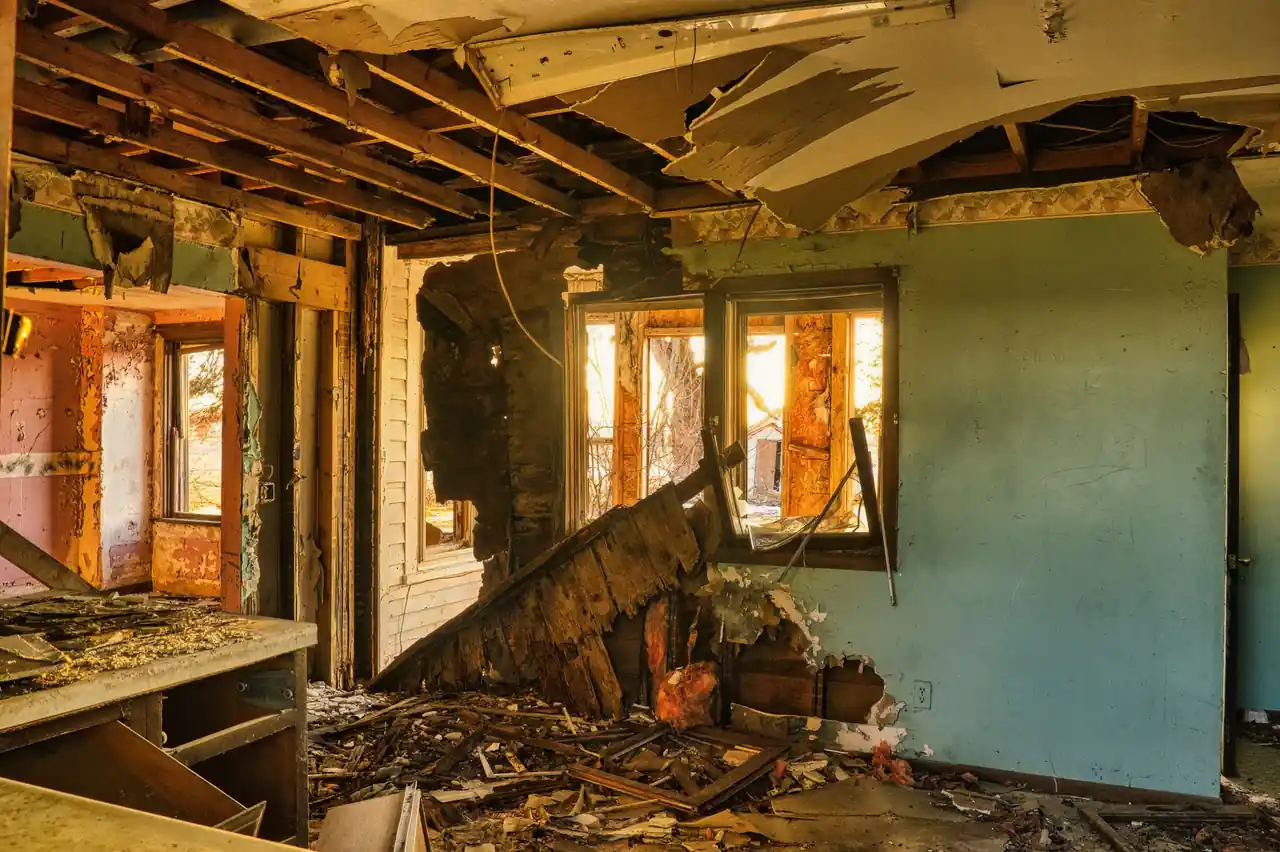
We pull standing water with truck-mounted extractors, then set air movers and dehumidifiers based on the readings. Equipment stays until materials hit dry standard, which we check daily.
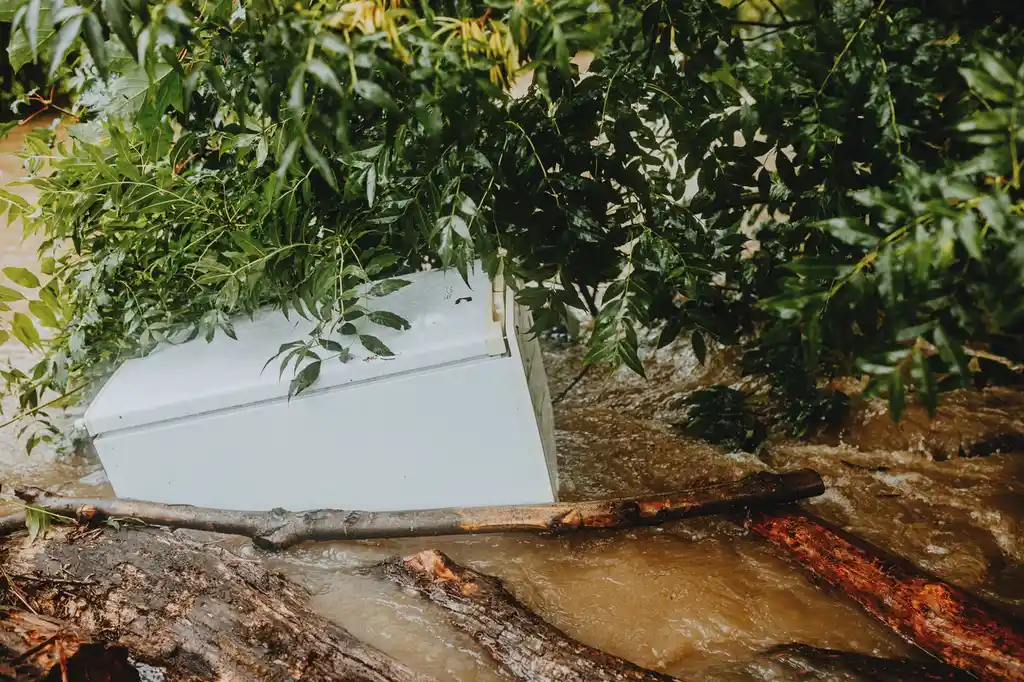
We log final moisture readings, photograph the dry structure, and hand you a written summary. If repairs are needed, you get a scope you can send straight to your carrier.
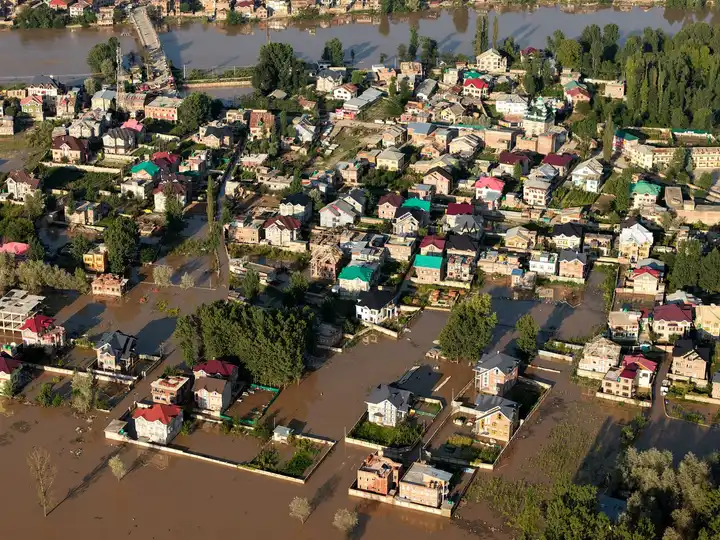
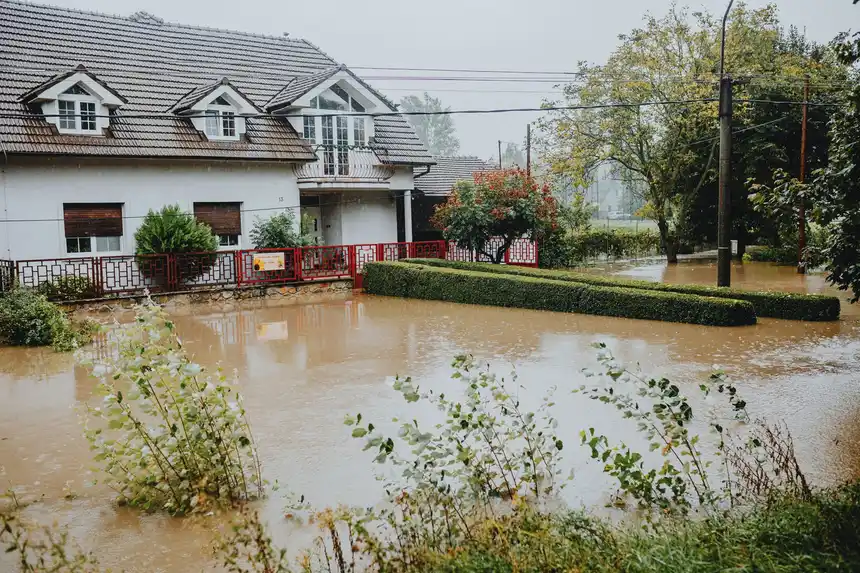
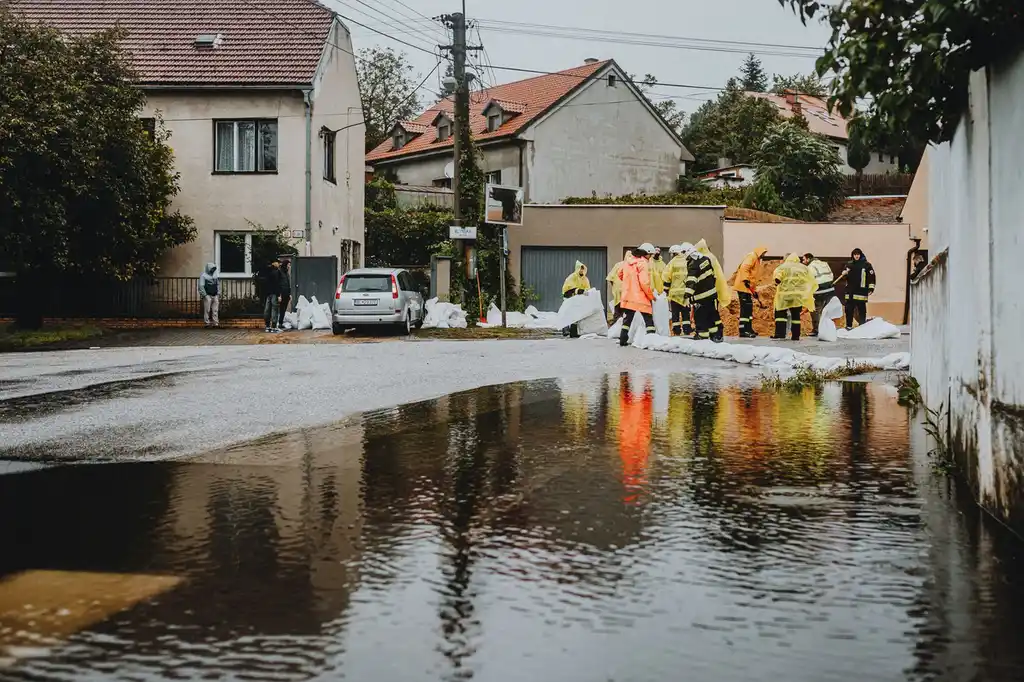
Most water damage we see in Arlington comes from a handful of sources: failed supply lines, storms, and plumbing that finally gives out.
We shut down the water if it is still running, extract the standing water, and dry the framing and subfloor.
Emergency Water ExtractionSewage is contaminated water, so we treat it that way. We extract it with dedicated equipment, remove soaked drywall and flooring, and apply disinfectants and mold inhibitors. Anything porous that took on sewage gets bagged and hauled out.
Sewage Water ExtractionSlab leaks are slow and sneaky, so the damage is often wider than it looks. We map the moisture with meters, dry the affected rooms, and tell you what the plumber needs to fix.
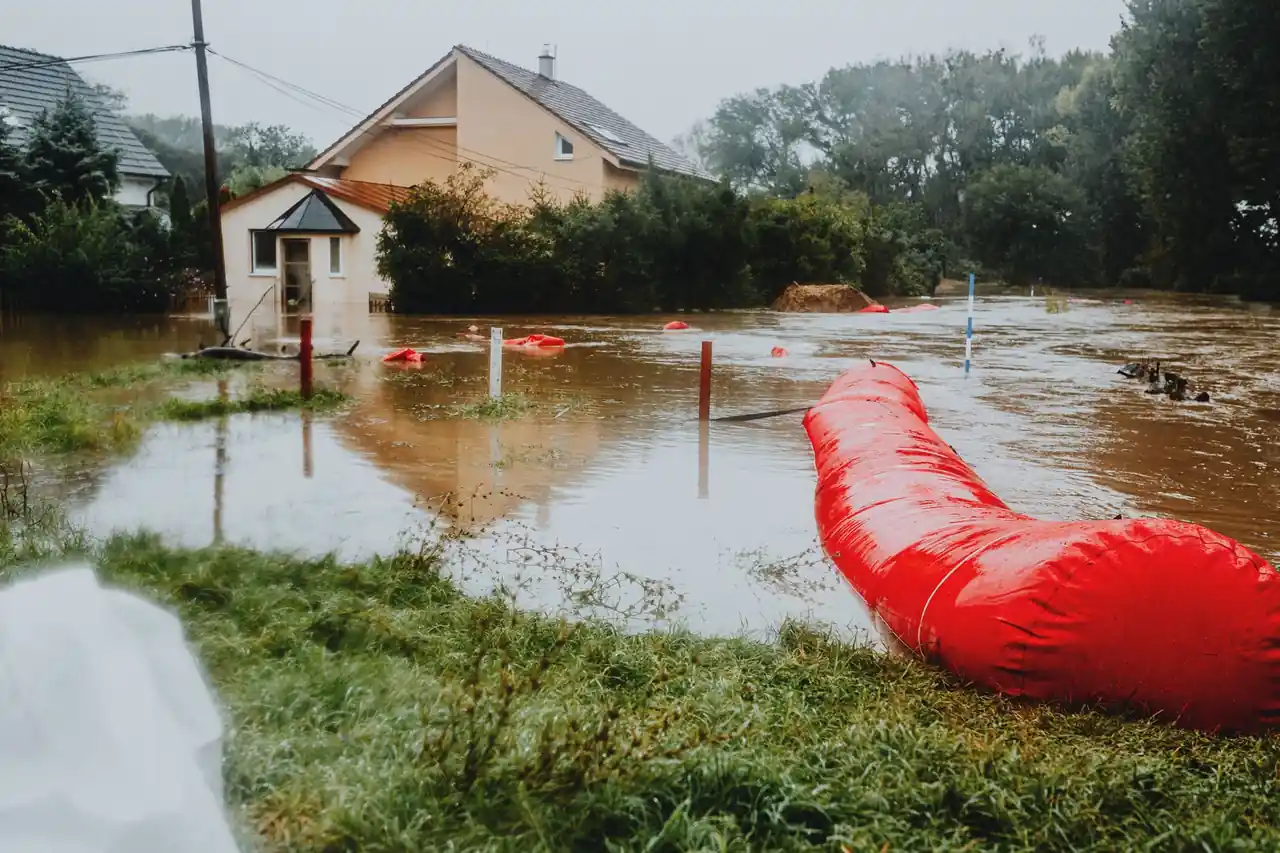
Flood Damage CleanupAfter a storm, we tarp open roof areas, extract water that got inside, and dry the structure fast. Storm water intrusion often hits ceilings and low rooms first, so we check both with moisture meters and inspection cameras.
Storm Water RemovalCrawl space moisture travels up into the living space. We pump out standing water, lay plastic sheeting over the soil, and run dehumidifiers until readings drop. Wet insulation comes out and gets replaced.
Crawl Space Water RemovalArlington stretches from the Entertainment District to Viridian, and the water problems change block to block.
View all service areas
Outside these areas? Get in touch and ask about your address.
These are the questions we get on almost every call. If yours is not here, call us and we will give you a straight answer.
Describe what you are seeing and we will point you to the right next step.
+18177614255Most single-room jobs in Arlington run $450 to $900, multi-room dry-outs land between $1,200 and $2,800, and full restorations with rebuild can reach $3,500 to $9,000 or more. The price depends on how much water there is, what category it is, and how much material has to be removed. We give you a written estimate before any work starts.
The right company is the one that measures moisture, documents the job, and shows you readings before and after. Look for IICRC-trained technicians, truck-mounted extraction equipment, and a crew that writes scopes in Xactimate for your insurance claim. Ask whether they handle both the drying and the repairs, because splitting those between two companies usually costs more.
Shut off the water source if you can find it, then call us before you start moving furniture or pulling carpet. Take a few photos of the damage for your claim. Do not run a household fan over wet carpet, because it can push moisture into walls. If the water smells like sewage, stay out of the room until we arrive.
Most homeowners policies in Texas cover sudden and accidental water damage, like a burst pipe or a failed water heater. They usually do not cover gradual leaks, poor maintenance, or flooding from outside, which needs a separate flood policy. We photograph the damage and log moisture readings so your adjuster has what they need to process the claim.
Extraction takes a few hours, and structural drying usually runs three to five days depending on the materials and how wet they got. Hardwood floors and thick drywall take longer than carpet. We check moisture readings daily and keep equipment running until the structure hits dry standard, not just until it looks dry.
Water spreads fast and mold starts within 24 to 48 hours. Call our Arlington crew and we will extract the water, dry the structure, and document the job for your insurance claim.
Call us any time and describe what happened. We ask a few questions about the water source and how long it has been running, then get a crew headed your way. If you prefer email, send photos of the damage and we will follow up with next steps.