Why Is My Basement Flooding After Heavy Rain in Arlington?
Arlington's clay soil and aging storm drains send water into basements fast. Here's why it happens, what it costs to fix, and how to stop it before the next storm.
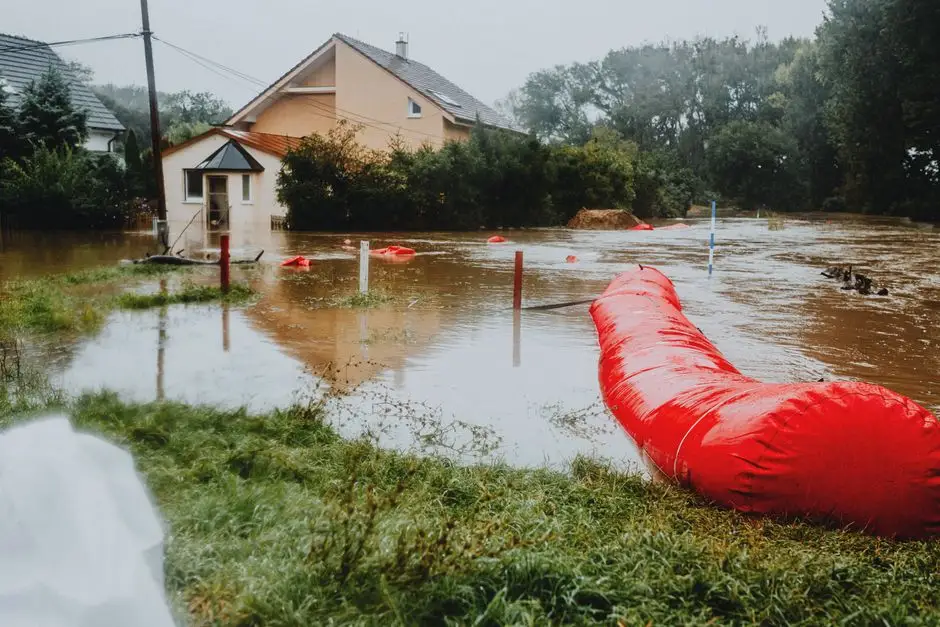
Your basement is flooding after heavy rain in Arlington because the ground around your foundation can't absorb water fast enough, and that water finds the path of least resistance - through cracks, window wells, floor joints, or a backed-up drain. Arlington sits on expansive clay soil that swells when wet and shrinks when dry, and after a two-inch storm in November, that clay turns into a bowl that pushes water against your foundation instead of letting it drain away.
Below we break down the exact causes we see on calls across the city, what to do in the first hour, and how to stop it from happening again. If you're already standing in water, call us - the rest of this can wait.
The Short Answer: Why Arlington Basements Flood
Basement flooding after heavy rain in Arlington is a drainage problem, not a basement problem. The water has to go somewhere, and when the soil is saturated, the gutters are clogged, or the storm sewer is overwhelmed, it goes into your home.
Three things make Arlington worse than most North Texas cities: the clay soil, the age of the housing stock, and the intensity of spring and fall storms. We've pulled wet carpet out of basements in North Arlington water damage restoration homes built in the 1960s and in new construction off Green Oaks Boulevard - the age changes the failure point, not the outcome.
Here's the definitional version: basement flooding after heavy rain in Arlington is a water intrusion event caused by surface water or groundwater overwhelming your home's drainage system and entering through the lowest point. It's predictable, it's fixable, and it gets worse every time you ignore it.
Why Does My Basement Flood After Heavy Rain in Arlington TX?
Your basement floods after heavy rain in Arlington because water pressure builds against your foundation faster than your drainage can relieve it. That pressure - hydrostatic pressure - is the single biggest driver of basement water problems in this city.
When a storm drops 2 to 4 inches in a few hours, the clay soil around your foundation saturates within the first 30 to 45 minutes. After that, every additional gallon pushes sideways against your basement walls. Concrete is porous. Hairline cracks that have been there for years suddenly weep. Floor-to-wall joints that were sealed in 1985 let go.
We see this pattern most in South Arlington water damage restoration neighborhoods where the lots slope toward the house instead of away from it. If your neighbor's yard drains onto your property, you're getting their storm water too.
The four failure points we find on almost every call
- Foundation cracks and the cove joint - where the floor meets the wall, hydrostatic pressure forces water through a gap that was never designed to hold back saturated clay.
- Window wells and basement doors - a window well that fills faster than it drains becomes a funnel directly into your basement.
- Floor drains and sewer laterals - when the city storm sewer surcharges, water backs up through your floor drain. That's a different problem than a crack, and it needs a different fix.
- Sump pump failure - a pump that's 10 years old, has a stuck float, or lost power during the storm is the most common single cause of a flooded basement we see.
The Arlington-Specific Causes You Can't Ignore
Arlington's building codes, soil, and storm patterns create basement water problems you won't read about in a generic national article. Here's what actually matters locally.
Expansive clay soil
The Blackland Prairie clay under most of Arlington expands up to 30 percent when saturated. That expansion does two things: it seals the surface so water can't infiltrate, and it pushes against your foundation walls with thousands of pounds of pressure. After a dry summer, the soil shrinks and opens cracks that channel water straight down to your footing.
Storm sewer capacity
Older sections of the city have combined storm and sanitary sewers that were sized for a 25-year storm, not the 100-year events we've seen more frequently. When the system surcharges, water has nowhere to go but up through your floor drain. If you've ever had a basement flood that smelled like sewage, this is why - and it needs sewage water extraction arlington TX rather than a shop vac.
Grading and gutter problems
Most of the homes we visit have at least one downspout that discharges within 2 feet of the foundation. The rule is 6 to 10 feet. That single mistake puts thousands of gallons of roof water exactly where you don't want it during a heavy rain event.
Aging sump systems
A sump pump has a service life of about 8 to 10 years. If yours was installed when the house was built in 1998, it's on borrowed time. We replace more failed pumps in October and November than any other month because that's when the first big fall storms hit.
How to Prevent Basement Flooding After Heavy Rain in Arlington
You can prevent most basement flooding after heavy rain in Arlington with six fixes that cost far less than a finished-basement rebuild. Start with the cheap ones and work down.
- Extend your downspouts 6 to 10 feet from the foundation. A $15 corrugated extension solves more basement water problems than any other single item.
- Clean your gutters twice a year - April and October. A clogged gutter sends water over the edge and straight down against the wall.
- Regrade the soil so it slopes away at 1 inch per foot for the first 6 feet. This is a weekend job with a wheelbarrow and a shovel.
- Test your sump pump before every storm season. Pour a 5-gallon bucket of water into the pit and confirm the float kicks on and the discharge line is clear.
- Install a battery backup or a water-powered backup pump. Power outages and heavy rain go together in Arlington.
- Seal visible cracks with hydraulic cement and address the cove joint. This buys time but doesn't replace proper drainage.
If you've done all six and water still comes in, the problem is below grade and you need an interior drain tile system or exterior waterproofing. That's a $4,000 to $12,000 project in 2026 pricing, and it's worth doing before you finish the basement.
What to Do When Basement Floods After Heavy Rain in Arlington
When your basement floods after heavy rain in Arlington, the first hour determines how much you save. Water wicks up drywall at about 1 inch per hour, and mold can start colonizing wet framing within 24 to 48 hours.
Here's the order we recommend:
- Kill the power to the basement at the breaker if there's any chance water is near an outlet or the panel. Don't wade in.
- Document everything with photos and video before you move a single item. Your insurance adjuster will want it.
- Call your insurance company and open a claim. Most homeowner policies cover sudden storm-related water intrusion but not long-term seepage - the distinction matters.
- Get the standing water out. A wet/dry shop vac handles an inch; anything deeper needs a submersible pump or professional water removal arlington TX equipment.
- Start drying within 24 hours. Fans and a dehumidifier help, but a flooded basement needs commercial-grade water damage drying arlington TX to hit the moisture levels that stop mold.
Don't wait to see if it dries on its own. It won't. A basement that stays damp for a week costs three to five times more to remediate than one that's dried in 72 hours.
Common Mistakes That Make Basement Water Problems Worse
The most expensive basement water problems we see in Arlington started with a homeowner doing the wrong thing in the first 24 hours. Here's what to avoid.
- Running a shop vac on a flooded floor near live outlets. We've seen this go badly. Cut the power first.
- Pushing water toward the floor drain during a sewer backup. If the drain is backing up, you're just recirculating contaminated water. Stop and call for emergency water extraction arlington TX.
- Pulling up wet carpet and tossing it before documenting. Your claim needs the evidence.
- Setting up box fans and calling it dried. Box fans move air; they don't remove moisture. Without a dehumidifier, you're just spreading the humidity around.
- Ignoring the smell. A musty odor two days after a flood means mold is already growing in the wall cavity.
- Blaming the basement instead of the drainage. Sealing the inside of the walls without fixing the outside grade is a temporary patch that fails at the next big storm.
When to Call a Professional
Call a professional when the water is deeper than an inch, when it smells like sewage, when it's been sitting for more than 24 hours, or when you can't find where it's coming from. Those four conditions mean the problem is beyond towels and a shop vac.
Our team handles basement water removal arlington TX with truck-mounted extraction, thermal imaging to find hidden moisture, and commercial dehumidifiers that pull 100 to 150 pints of water per day. We also work directly with most major insurance carriers so you're not fighting the adjuster alone.
If you're not sure whether you need help, call anyway. We'll tell you honestly whether it's a DIY job or a professional one - and we don't charge for that conversation.
Frequently Asked Questions
Why is my basement flooding after heavy rain in Arlington?
Arlington's expansive clay soil saturates fast and pushes water against your foundation through cracks, the cove joint, window wells, or a backed-up floor drain. A failed sump pump or clogged gutters usually make it worse. The fix is drainage, not patching the inside wall.
How do I stop my basement from flooding in Arlington TX?
Extend downspouts 6 to 10 feet from the foundation, clean gutters twice a year, regrade soil to slope away at 1 inch per foot, and test your sump pump before storm season. Those four steps prevent most flooding. If water still gets in, you need interior drain tile or exterior waterproofing.
Does heavy rain cause basement flooding in Arlington Texas?
Yes. A storm dropping 2 to 4 inches in a few hours overwhelms Arlington's clay soil and older storm sewers within 30 to 45 minutes. Water then finds foundation cracks and floor drains. The intensity of the storm matters more than the total rainfall.
How much does basement flood cleanup cost in Arlington?
Typical 2026 pricing runs $1,500 to $4,000 for a standard basement with an inch or two of water, and $5,000 to $12,000 if drywall, insulation, and flooring need removal. Sewage backups cost more because of the contamination protocol. Insurance often covers storm-related flooding.
Can I just shop-vac the water and let it dry?
No. A shop vac removes standing water but leaves the framing, drywall, and subfloor saturated. Mold starts within 24 to 48 hours. You need commercial dehumidification and air movers to dry the structure to safe moisture levels, usually over 3 to 5 days.
Get Help With Water Damage Restoration in Arlington
We handle basement flooding, storm water intrusion, and full water damage restoration arlington TX across every neighborhood in the city. One call, and we'll have a crew at your door with extraction and drying equipment.
Call +1 (817) 761-4255 now - we answer 24 hours a day, and we'll tell you exactly what it will cost before we start.