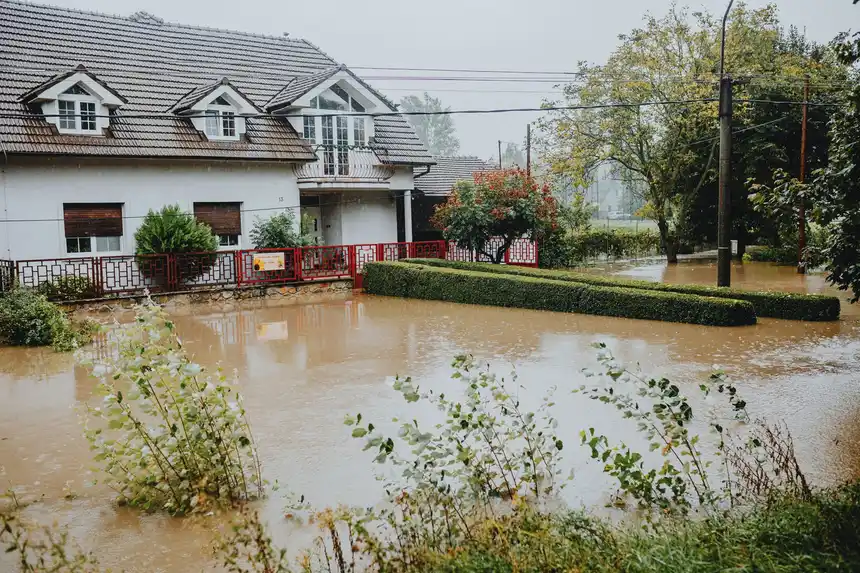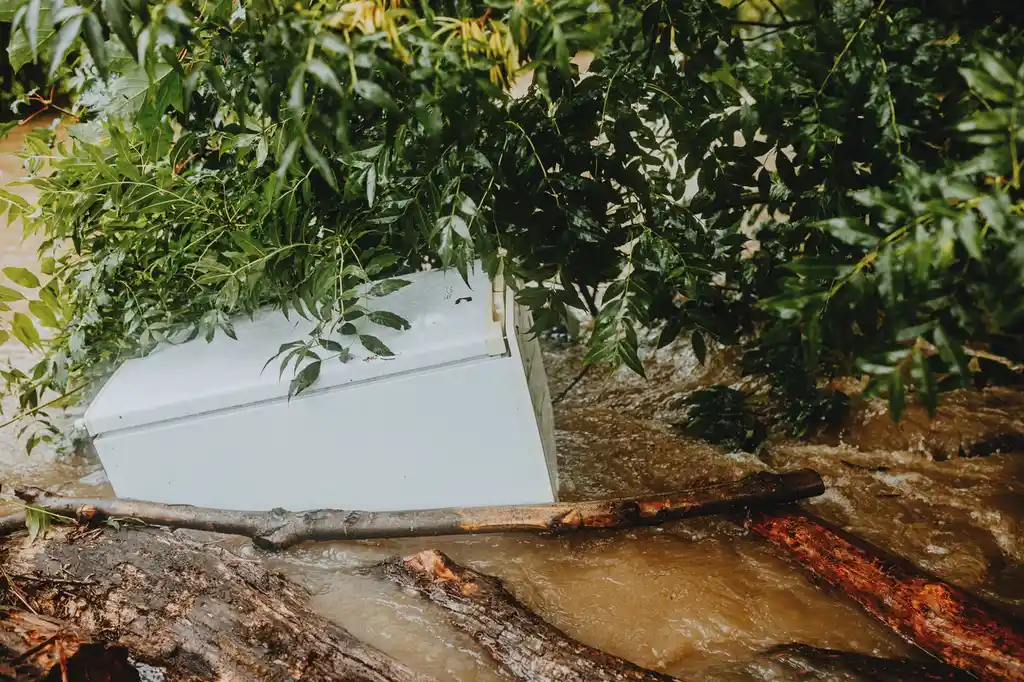
For homes
Storm water can enter through doors, foundations, or crawl spaces. We extract it and dry your home to prevent mold.
- Flooded garage or living room
- Wet crawl space or basement
- Sewage backup after storm
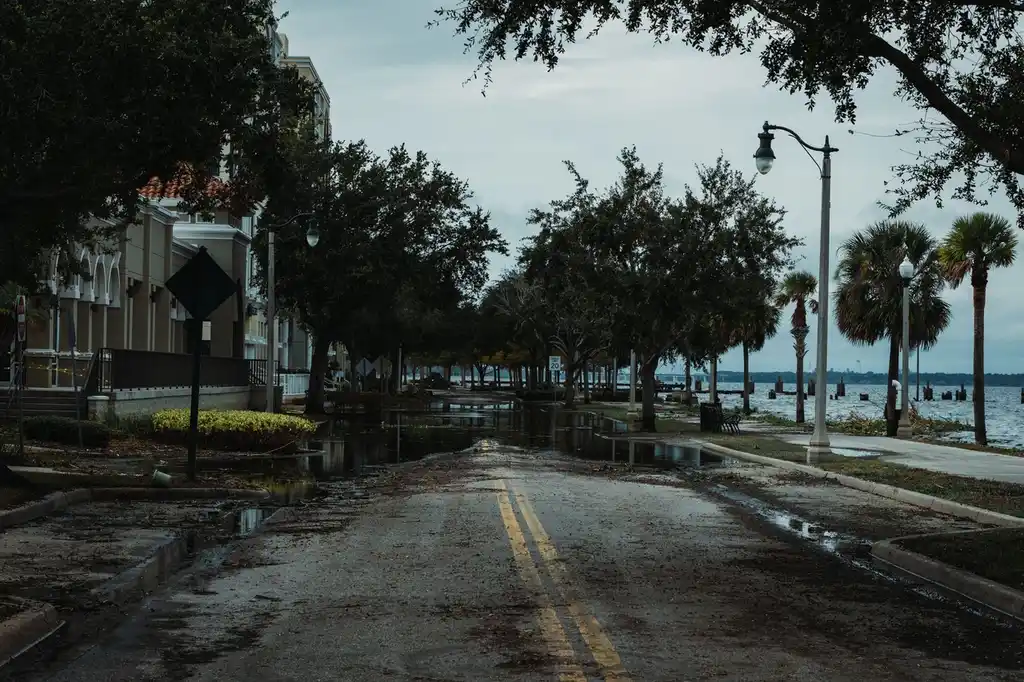
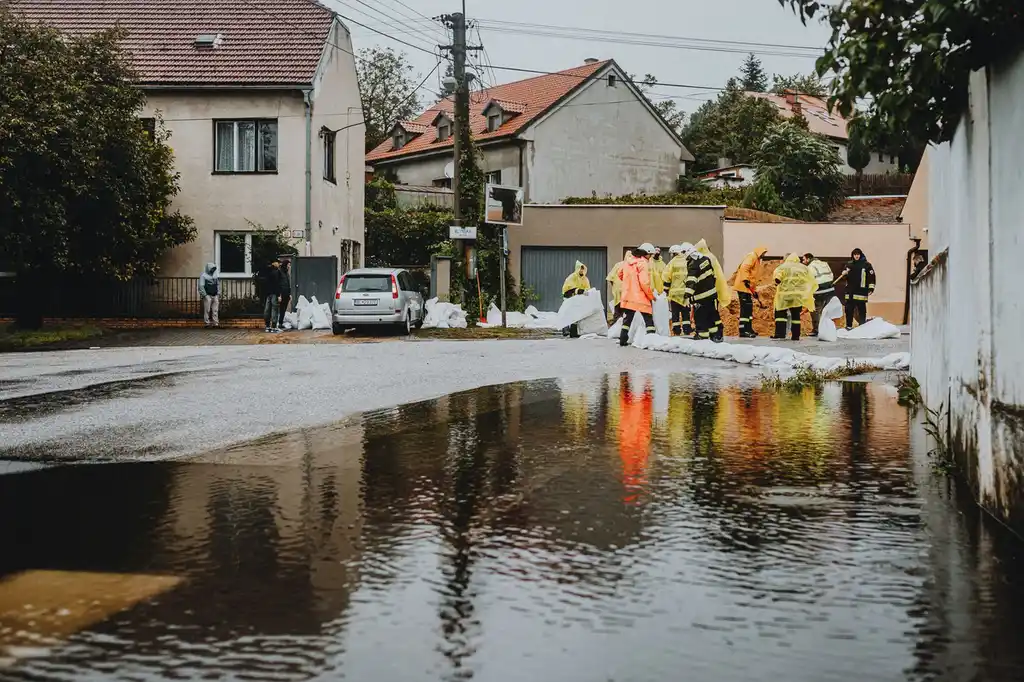
When a storm dumps three inches of rain on Tarrant County in an hour, storm water removal arlington TX becomes urgent. We pull standing water out of your home or business, dry the structure, and document everything for insurance. Our team handles everything from a flooded garage in Dalworthington Gardens to a soaked retail floor in the Entertainment District. Call and we roll.
 Moisture mappingWater extractionDrying setup
Every storm water removal arlington TX job includes the core steps to get your property dry and documented. We tell you upfront what is covered and what may be an add-on, like mold remediation or repairs. No hidden line items.
We remove standing water using truck-mounted extractors, portable units, and wet vacuums. This includes carpet, hardwood, concrete, and crawl spaces. We work until the water is gone, not just until it looks dry.
We use moisture meters, thermal imaging cameras, and hygrometers to find hidden water behind walls and under floors. You get a map of affected areas and a written scope before we start drying.
We apply antimicrobial solutions and mold inhibitors to wet surfaces to prevent mold growth. This is standard on every job, especially when storm water may carry contaminants. It protects your indoor air quality.
We set air movers, dehumidifiers, and desiccants as needed for your space. Equipment runs until moisture readings confirm dry standards. We monitor daily and adjust the setup for faster results.
A tech returns each day to log moisture readings and check equipment. You get a record of every reading. This documentation supports your insurance claim and proves the job was done right.
When drying is complete, we walk the property with you, remove equipment, and provide a final report with photos and readings. You know exactly what was done and what condition the property is in.
The approach is the same for a home and a business. What changes is the access, the schedule and who needs the paperwork.
Storm water can enter through doors, foundations, or crawl spaces. We extract it and dry your home to prevent mold.
Storm water can shut down your business and damage inventory. We extract fast and dry after hours to minimize downtime.
A plain-language look at what Storm Water Removal involves and when it is needed.
See how it worksStorm water removal arlington TX is the process of extracting standing water that enters a building during heavy rain, then drying the structure to prevent secondary damage. We use truck-mounted extractors and portable units to pull water from carpet, hardwood, concrete, and crawl spaces. After extraction, air movers and dehumidifiers run until moisture meters and thermal imaging cameras confirm the framing, drywall, and subfloor are back to safe levels. It is not just pumping water out. It is controlled drying.
Arlington sits in a flash-flood corridor where clay soil sheds water fast and storm drains back up during spring and fall downpours. We see storm water intrusion most often in older slab-on-grade homes near Downtown Arlington, where door thresholds sit at or below grade. A storm flood water removal arlington TX call usually comes after two to four inches of rain in under two hours. If you are searching for storm water removal near me arlington TX at 2 a.m., we answer and dispatch.
Storm water removal is extraction plus controlled drying, not just pumping water out.

Every job follows the same five steps, whether it is a small garage flood or a commercial building with three inches of water. Here is what you can expect from the first call to the final moisture check.
You call, we answer. We ask what happened, how deep the water is, and whether electricity is safe. We dispatch a crew with extraction equipment immediately. If you are in a flood-prone area like Southeast Arlington, we may already have a truck nearby. You get an arrival window, not a vague promise.

A lead tech walks the property with you. We use moisture meters, thermal imaging cameras, and hygrometers to map the water. We check for sewage backups, slab leaks, and hidden moisture behind walls. You get a written scope and upfront pricing before we start. No surprises.

We start with truck-mounted extractors for large volumes, then switch to portable extractors and wet vacuums for edges and tight spaces. Carpet and pad come up if saturated beyond saving. We pull water from crawl spaces, basements, and wall cavities. Most residential extractions take two to four hours.
We set air movers and dehumidifiers to dry the structure. Desiccants may be used in crawl spaces. We return daily to check moisture levels with meters and adjust equipment. Typical drying takes three to five days. You get a log of every reading so you can see progress.
When moisture readings match dry-standard levels, we remove equipment and do a final walkthrough with you. We document the completed job with photos and readings for your insurance. If any repairs are needed, we explain what and why. You get a dry, documented space and a clear next step.
Move across a circle, or focus it and press Enter, for an illustrative thermal view of the photograph.
For large volumes of standing water, these units pull hundreds of gallons quickly. We use them on first floors, garages, and commercial spaces.
For tight spaces like closets, crawl spaces, and upper floors. They are slower but reach where trucks cannot.
High-velocity fans that evaporate moisture from surfaces and push humid air toward dehumidifiers. We position them based on room layout and moisture mapping.
Commercial units that pull moisture from the air. We use Dri-Eaz and Phoenix Restoration Equipment models for reliable drying.
To find hidden moisture behind walls and under floors without tearing them out. We use them to map the extent of water intrusion.
Thermal views are illustrative, generated from the photographs.
To measure moisture content in wood, drywall, and air. We log readings daily to track drying progress and confirm dry standards.
For final extraction from carpet and hard surfaces after bulk water is removed. They pick up what extractors leave behind.
We follow the IICRC S500 standard for water damage restoration. It defines how to classify water, set up drying equipment, and verify dry standards. Following it means we dry to a measurable standard, not a guess.
We write our scopes in Xactimate, the same software insurance adjusters use. This makes your claim easier to approve because the line items match industry standards. It reduces back-and-forth and speeds payment.
We use thermal imaging cameras and moisture meters to create a map of affected areas. This shows us exactly where water traveled and where to place equipment. It also proves to your adjuster what was wet.
We apply antimicrobial solutions and mold inhibitors to wet surfaces after extraction. This prevents mold growth during the drying process. It is standard on every storm water job, especially when water may be contaminated.
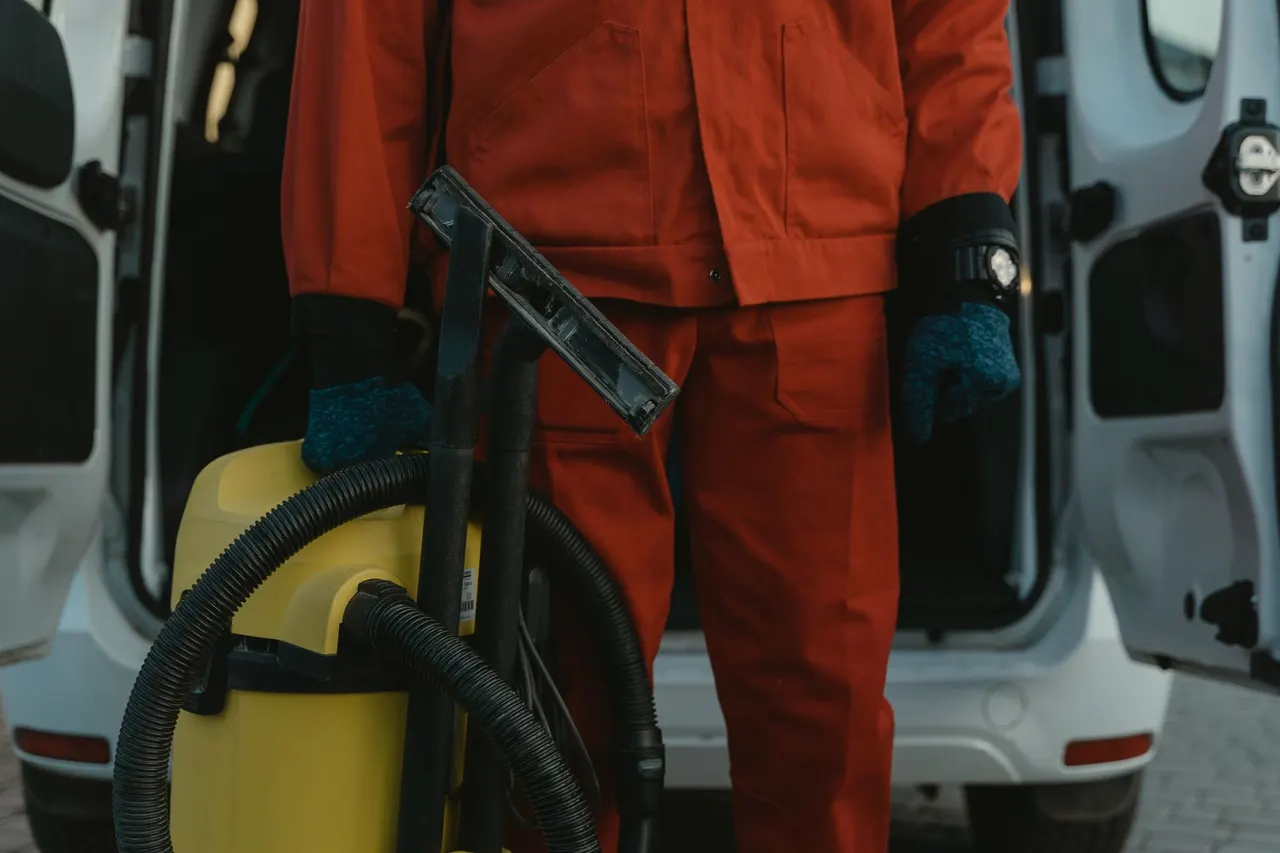
A storm dumps three inches of rain in one hour and water seeps under your front door in Downtown Arlington.
We extract the water, pull up saturated carpet if needed, and dry the concrete and baseboards. We check for mold growth behind drywall and treat with antimicrobial solutions. We document everything for your insurance.
Outcome: Your floor is dry in three days, and you have a clean claim file. No mold, no guesswork.
Your crawl space floods after a week of rain in Pantego, and you smell musty air inside the house.
We pump out the crawl space, apply mold inhibitors, and set desiccants and air movers. We check floor joists with moisture meters and dry until safe. We also look for foundation cracks that let water in.
Outcome: The musty smell is gone, and your floor structure is dry. You know what caused it and how to prevent it.
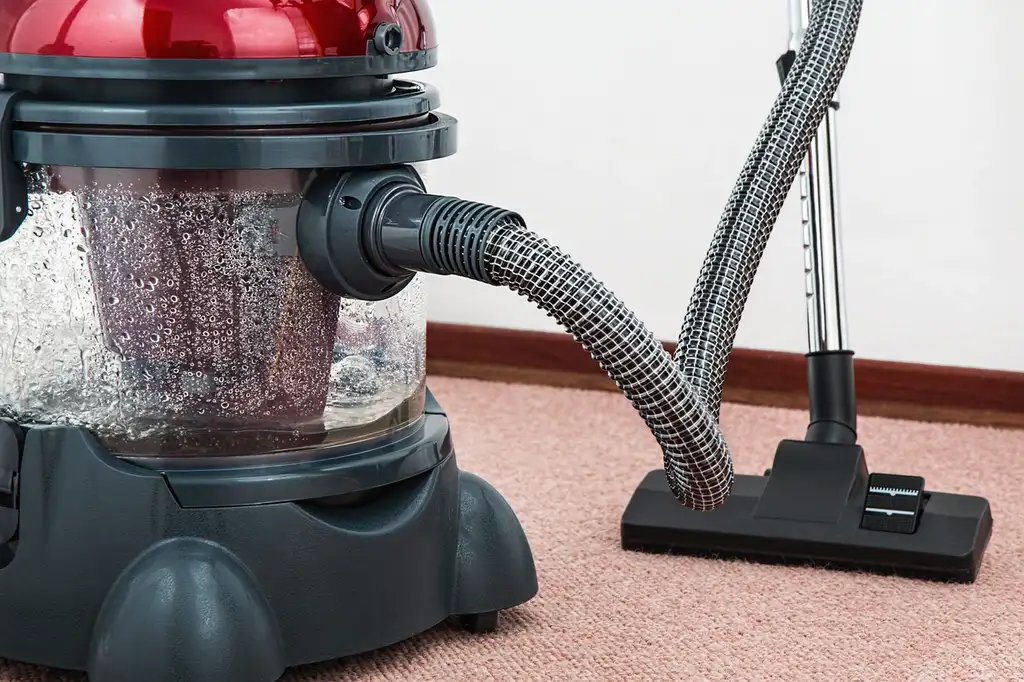
A commercial building in the Entertainment District takes on water through a roof leak during a storm.
We extract water from retail floors, set up drying equipment after hours, and work around your inventory. We document with photos and moisture readings for your commercial claim. We coordinate with your property manager.
Outcome: You reopen the next morning with minimal disruption. The building is dry in four days, and your claim is documented.
Your basement in Dalworthington Gardens floods after a storm, and the water is contaminated with sewage.
We treat it as Category 3, using full PPE and disinfectants. We remove contaminated materials, extract the water, and sanitize. We dry with dehumidifiers and monitor daily.
Outcome: Your basement is safe and dry. You have a record of the remediation for your insurance.
A storm causes your sump pump to fail in Viridian, and water rises in your finished basement.
We bring portable extractors and wet vacuums to remove water from carpet and drywall. We set up air movers and dehumidifiers and check for hidden moisture behind walls. We also advise on sump pump backup options.
Outcome: Your finished basement is saved. Drying takes four days, and you know how to prevent it next time.
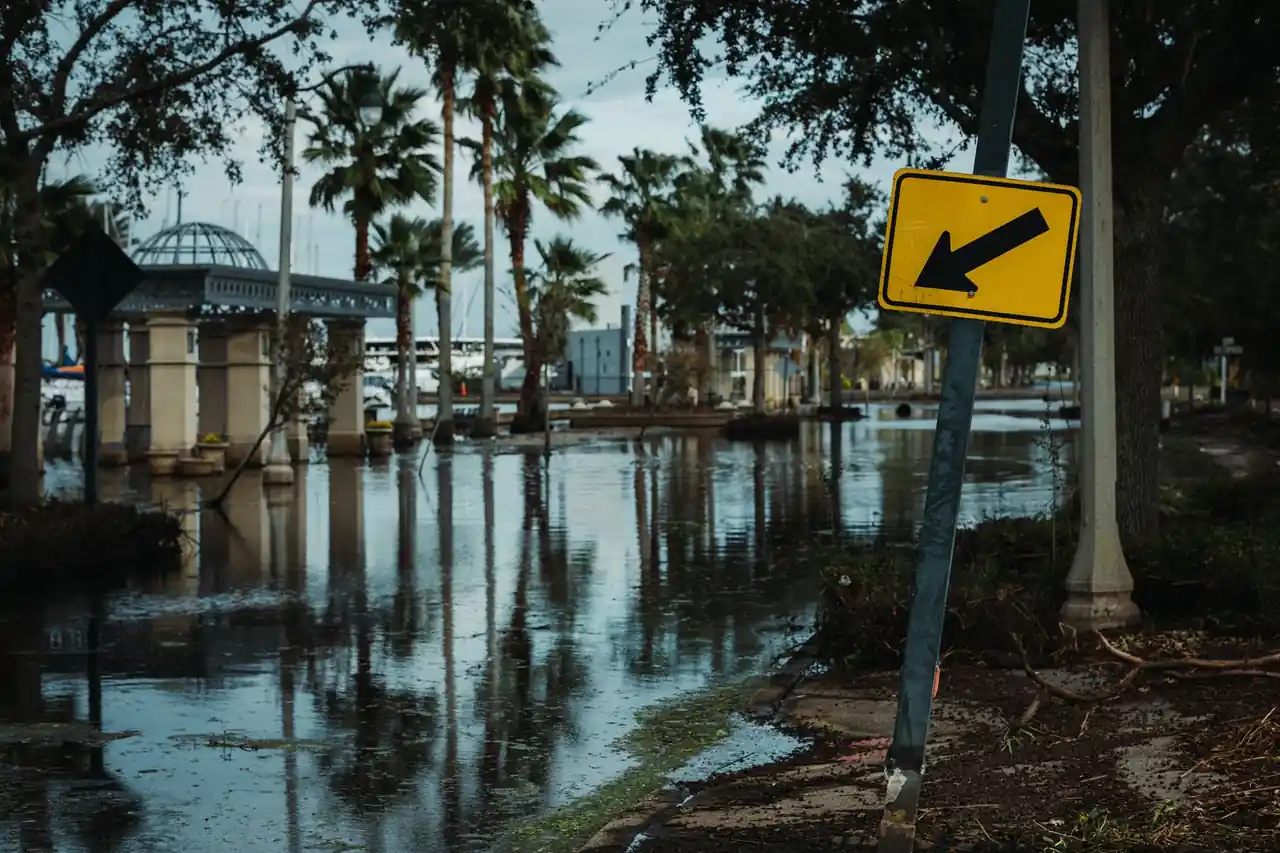
Arlington's clay soil and flash-flood-prone topography mean storm water removal arlington TX jobs often start with water coming through foundations, not just doors. The soil expands when wet and sheds water toward slab-on-grade homes, especially in older neighborhoods near Downtown and Central Arlington. We see storm water intrusion most often after spring and fall storms that drop two to four inches in a few hours.
Our crews know which streets flood first and how to route equipment. We also deal with sewage backups when the city system is overwhelmed, which turns a Category 2 job into Category 3. We follow IICRC S500 standards and write scopes in Xactimate. If you need storm water removal after heavy rain arlington Texas, we are set up for it.
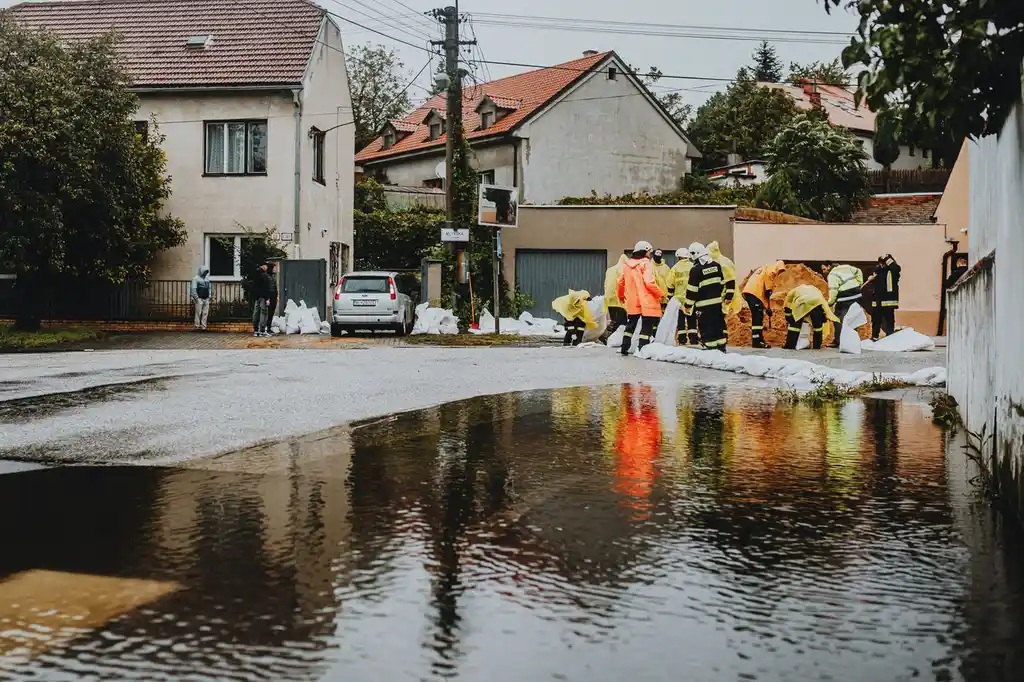
Before: A storm dumped four inches of rain in two hours. Water came under the front door and soaked the carpet, pad, and baseboards. The homeowner called at 6 a.m. and we arrived by 8 a.m. Moisture readings showed saturation in the subfloor and bottom 12 inches of drywall.
After: We extracted 120 gallons of water, removed the carpet and pad, and dried the subfloor and drywall with air movers and dehumidifiers. After four days, moisture readings were back to dry standard. The homeowner replaced carpet and repainted baseboards.
We recommended a door threshold seal and a French drain to divert water. The homeowner also signed up for annual moisture checks before storm season.
Before: A storm caused the roof drain to back up, sending water across 2,000 square feet of retail floor. The store was set to open in six hours. Water was standing in aisles and soaking into display bases.
After: We extracted the water in three hours, set up air movers and dehumidifiers, and worked around inventory. The store opened on time. Drying took four days, and moisture readings confirmed the concrete and drywall were dry.
We cleared the roof drain and recommended a maintenance schedule. The property manager now checks drains before every storm forecast.
Before: A week of rain flooded the crawl space of a pier-and-beam home. The homeowner noticed a musty smell and called us. We found standing water, saturated floor joists, and early mold growth on the subfloor.
After: We pumped out 80 gallons, applied mold inhibitors, and dried with desiccants and air movers. After five days, wood moisture content was back to safe levels. The musty smell was gone, and the mold did not spread.
We recommended a crawl space vapor barrier and improved drainage. The homeowner now checks the crawl space after every major storm.
Storm water creates a chain reaction: wet floors, hidden moisture, mold, and insurance headaches. We break that chain with fast extraction and documented drying.
Fast extraction and documented drying save your property and your claim.
Mold can begin colonizing wet drywall and insulation in 24 to 48 hours. We apply antimicrobial solutions and mold inhibitors during extraction, then dry the cavity with desiccants and air movers. Our IICRC AMRT-trained techs know where mold hides behind baseboards and under hardwood. We dry to verified moisture content, not just to the touch.
Hardwood floor cupping and buckling starts within hours of storm water intrusion. We use absorbent pads and specialized drying mats to pull moisture from the boards without tearing them out. If we get there within 24 hours, most oak and engineered floors in Arlington homes can be saved. We monitor with hygrometers daily and adjust until the wood stabilizes.
We photograph every affected room, log moisture readings, and write our scope in Xactimate so your adjuster sees exactly what happened. Storm damage water removal arlington claims move faster when the paperwork is clean. We have worked with every major carrier in Texas and know what they need to approve drying equipment and repairs without delays.
Our trucks carry truck-mounted extractors, wet vacuums, and enough air movers to dry a 2,000-square-foot home. When you call for emergency storm water removal arlington, we aim to have equipment running within hours, not days. That speed is the difference between replacing carpet and saving it.
Clear records you can keep and share.
Images of affected areas before and after
Daily readings showing drying progress
Written outline of work performed
Summary with readings and completion notes
Storm water is classified by contamination level, which determines how we handle it.
Clean water from rain or broken pipes
Gray water with some contamination
Black water from sewage or flooding
A list like this tells people straight away whether you cover their street. Not listed? Call and ask: it only takes a minute.
Based in arlington and covering the places around it. Pick one for local details.
We give you a written scope and price before we start.
Call a local water damage restoration company that handles storm water, not a general plumber. We carry truck-mounted extractors, air movers, and dehumidifiers, and we document for insurance. If you have sewage backup, tell the dispatcher. We handle Category 3 water and will bring the right PPE and disinfectants. Call us at +1 817-761-4255.
Yes, most homeowners and commercial policies cover storm water removal when the water enters through a storm event, such as a roof leak or flooded foundation. Flood insurance is separate and covers rising water. We work with all major carriers and write our scopes in Xactimate. We document everything so your claim moves. Call your agent, then call us.
Extraction usually takes two to four hours for a typical home. Drying takes three to five days, depending on materials and humidity. We monitor daily with moisture meters and thermal imaging. You can stay in the home in most cases, though we may recommend staying elsewhere if sewage is present. We give you a timeline after the initial inspection.
Other services from the same team.
Standing water gets worse every hour. Call now and we will tell you exactly when we can be there. One call starts the drying process.
Call us any time and describe what happened. We ask a few questions about the water source and how long it has been running, then get a crew headed your way. If you prefer email, send photos of the damage and we will follow up with next steps.